-

Technical Service Information for Tea Plant Frost Resistance and Post-Disaster Recovery
I. Remedial measures for tea plants after a disaster: 1. Scientific pruning: Because tea gardens with different varieties, different altitudes, and different slope aspects have different degrees of frost damage to their tea plants, generally tea gardens with large-leaf varieties, high altitude, and north-facing slopes suffer more severe frost damage to the tea plants. Timely and reasonable pruning should be carried out according to the degree of frost damage. After the temperature rises and stabilizes, observe the frost damage to the tea plants. For lighter frost damage, use light pruning, that is, cut about 3 cm below the leaf surface. For more severe frost damage, carry out deep pruning, cutting off 1/2-1/3 of the plant. For particularly severe frost damage
-
What are the measures for frost prevention, remediation and recovery of tea plants?
Starting from January 11, rain and snow weather persisted across Hubei Province for more than half a month and has evolved into a "snow disaster." The severity of this disaster lies in the overlap of low temperatures with rain and snow and the long duration, which has had a relatively large impact on agriculture in Hubei Province, and tea is no exception. Judging from investigations in various tea regions, most tea gardens in our province have suffered frost damage to varying degrees. If effective measures are not taken, the frost damage will become more serious, and the impact on this year's spring tea production across the province is almost certain. The opening of spring tea gardens will be delayed by at least 10-15 days compared with previous years. The following suggestions are now put forward regarding frost prevention and remediation measures for tea plants.
-
Emergency supplementary fertilization for cotton to promote plant recovery and regrowth
Yang Xiushen, a researcher at the Industrial Crops Research Institute of the Provincial Academy of Agricultural Sciences, said that since July, our province has been repeatedly hit by torrential rains, and the flooding has caused widespread inundation of farmland, inflicting severe damage on cotton. Draining water and reducing waterlogging, and emergency supplementary fertilization to promote recovery are the critical priorities of the current disaster relief and remediation effort. At the same time, weeds must be removed promptly, the soil loosened, and earth hilled up around the roots, and replanting and supplemental planting should be carried out according to the conditions of each field. Emergency removal of standing water in the fields must seize the time and adopt all necessary and possible means to quickly drain the standing water, reduce the impact of waterlogging on cotton growth and development, and lower the mortality rate of cotton seedlings. For low-lying areas, especially secondary
-
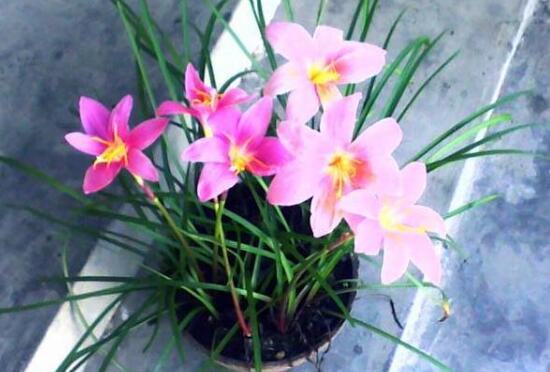
What to Do When Rain Lily Leaves Turn Yellow? Control Water, Fertilize Moderately, Change Potting Soil for Quick Recovery
Rain lily (Zephyranthes), a very beautiful flower, has trumpet-shaped blooms in diverse colors, looking especially lovely set off by green leaves. But during care, many flower enthusiasts end up with yellowing leaves. So what should you do when rain lily leaves turn yellow? At this point, you must stay calm, find the cause, and take appropriate measures.
-
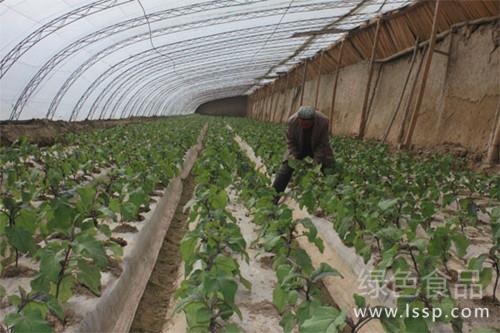
Eggplant planting coincides with the cold season: key management points during the transplant recovery period in the greenhouse
Eggplant recovery period falls in the cold season: management after transplanting eggplant in the greenhouse
条件筛选