-
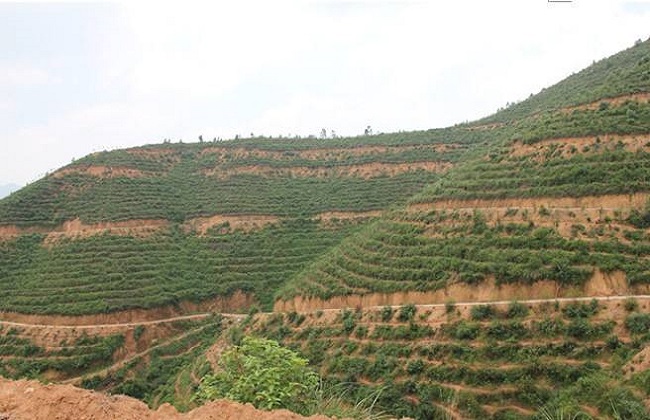
What is profitable to grow in mountainous areas? Recommendations for high-yield planting projects
What is profitable to grow in mountainous areas
-
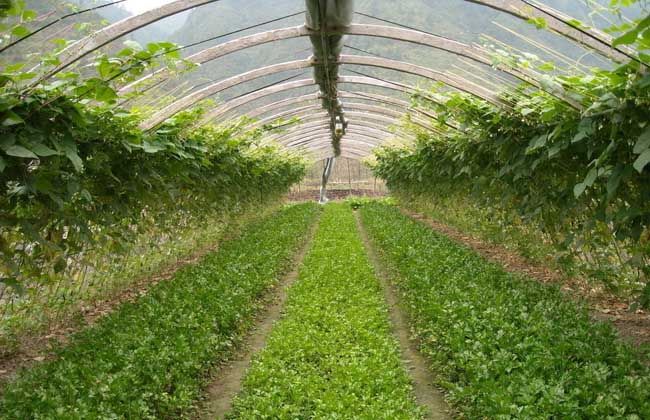
What is most profitable to grow in greenhouses in 2018? High-yield project recommendations
What is most profitable to grow in greenhouses in 2018?
-

Which hard-flesh peach varieties are good? Five recommendations suitable for the Yangtze River Basin
1. Qinwang. Average single fruit weight 210 grams, maximum fruit weight 350 grams, fruit size relatively uniform. The base color of the peel is yellow-red; at maturity, 80%-100% of the fruit surface turns bright red, the appearance is colorful, and the fruit surface has little fuzz. The fruit is round, the suture line is medium, the fruit shape is relatively symmetrical, the fruit apex is concave, and the stem cavity is medium-deep. The flesh is red-white, with 75% red blush. The flesh is especially hard and does not crack, the texture is fine, and the resistance to browning is strong. Soluble solids 13.7%, tastes sweet with slight acidity, slight aroma, excellent quality. Semi-clingstone, small stone, no stone cracking, edible rate 9
-
Recommendations for the Occurrence and Control of Pests and Diseases in Winter Potatoes
In recent years, the potato planting area in our city has been continuously expanding, and various potato pests and diseases have been occurring in succession, seriously affecting potato yield and quality. It is currently the potato growing season. According to recent surveys conducted by our station and the Huidong station in Tieyong, Renshan and other places, the main pests and diseases occurring in winter potatoes in our city include: potato bacterial wilt, blackleg, late blight, viral diseases, as well as underground pests and aphids. All localities should strengthen surveys, and in particular, do a good job in controlling soil-borne diseases of potatoes. I. Occurrence of Pests and Diseases
-
How to manage garlic in the mid-to-late stages? 2011 production management recommendations for Midu County
At present, the garlic planted in Midu County has entered a period of rapid growth, and early-maturing varieties have entered the bolting stage. In view of the characteristics of garlic cultivation in Midu County and in light of this year's climatic conditions, we should focus on strengthening mid- and late-stage field management. Taking into account the characteristics of excessive rainfall at sowing time in September-October last year, soil compaction, and poor quality of spot sowing, and based on the county's conditions, we should apply fertilizer reasonably, carry out shallow tillage and weed control, and carry out timely pest and disease control focused mainly on leaf blight, so as to ensure a stable yield and bumper harvest of garlic this year. 1. Timely shallow tillage and weed control. As temperatures gradually rise, conditions are relatively favorable for weeds in garlic fields
-
Technical Recommendations for Mid-to-Late Stage Rice Management in Arid Regions
The perennial rice planting area in Qina Town, Yongsheng County is 16,000 mu. As of June 6, the entire town has achieved full transplanting by relying on reservoir water storage and water lifted from Chenghai Lake for irrigation. However, due to the historically rare drought from September last year to July 19 this year, rice seedlings in parts of the town with no water sources and no mechanical wells have withered, and even areas with small water sources and mechanical wells for pumping irrigation find it difficult to guarantee timely irrigation, resulting in insufficient rice tillering. In response, the following management measures are recommended for mid-to-late stage rice management across the town. 1. Adapt measures to local conditions, implement
-
Which rice fungicide is good? Recommendations for low-cost, high-efficiency pesticides
Spend 20 yuan, get back 50 yuan. Would you take such a good deal? Last year, large grain growers in Shaoxing, Anji and other places tasted this sweet success after using "Aimiao" when growing rice, with rice yields generally increasing by about 10%. Right now is the pesticide application season for early rice, and they are busy selecting this high-return new pesticide to apply to rice. It is understood that 30% Aimiao emulsifiable concentrate is a new type of fungicide launched by Syngenta Crop Protection of Switzerland that can both prevent and control rice diseases and regulate rice growth. This pesticide works against rice sheath
-
Hubei: Current Cotton Growth Status and Field Management Recommendations
According to the survey results of August 5, most cotton fields in our city have currently entered the flowering and boll-setting stage. The average density of cotton fields in our city is 1266 plants/mu. The average plant height is 90.2 cm, the number of fruit branch layers is 15.8, the number of empty branches is 0.1, the total number of fruit nodes is 51.1, with 5.1 large bolls, 2.3 small bolls, 1.4 flowers, 31.6 buds, and 11 abscised buds and bolls, with a bud and boll abscission rate of 21.6%. In view of the current situation, field management should currently focus on the following points: 1. Focus on per-unit yield, grasp the "two striving" This year's cotton growth is relatively
-
Occurrence of wheat and barley sheath blight and control recommendations
According to surveys by the forecasting stations of each county (city, district), wheat and barley sheath blight has now occurred widely and will enter the peak damage stage. All localities must seize the appropriate timing and promptly organize the broad masses of farmers to carry out control. I. Occurrence situation and trend analysis The characteristics of wheat and barley sheath blight occurrence this year: First, the occurrence period is normal. Due to the low temperatures last winter and this spring, wheat seedlings grew weakly, which was unfavorable for the occurrence of wheat and barley sheath blight. The earliest detection in the whole city was in Xiangshui in early mid-February, and large areas were detected in late February and early March. Second, the general incidence rate and
-
Control Recommendations for the Overwintering Generation of the Box Tree Pyralid Moth
The box tree pyralid moth (Glyphodes perspectalis) is one of the important leaf-eating pests of forestry plants in this district, mainly damaging Chinese box (Buxus sinica var. parvifolia) and Japanese box (Buxus bodinieri). Since early spring this year, the whole district has carried out 2-3 rounds of comprehensive control against this pest, effectively bringing the damage under control; however, since the damage period of this pest is long and can last until the end of October, continued follow-up monitoring of this pest is still needed. According to monitoring at two sites, the Anting Ginkgo Garden and the Fangtai Flowers and Plants Horticultural Farm, a moth peak appeared under the forecasting lamp in early to mid-September, with the highest moth numbers on September 7-9, averaging 22.3 moths per lamp per day
条件筛选