-

A detailed guide to the clever preparation of pollution-free mushroom fertilizer
1. Soybean milk fertilizer: Take 500-1000 grams of soybeans, soak them in water and grind them into a slurry, filter out impurities, add 50 kg of clean water, stir well and spray. This can make mushrooms white and tender with thick, sturdy stems. 2. Salt water fertilizer: Take 150-250 grams of table salt, put it into 50 kg of clean water, stir until dissolved and spray. This can make the mushrooms pure white in color, with thick, sturdy and high-quality fruiting bodies. 3. Yeast fertilizer: Take 25 grams of pure yeast powder, add it to 50 kg of clean water, stir well and spray. This can promote the formation of fruiting bodies, increase the number of mushrooms and make the fruiting bodies robust. 4. Glucose fertilizer:
-
Syrup-packed pear: method and detailed preparation steps
Preparation method 1. Fruit selection: Do not choose overly unripe or overripe fruit. The pears are ripened until yellow in color and smooth in flesh. Remove pears that are bruised or rotten, affected by mulberry bark, hard-headed, pest- or disease-damaged, apple-shaped, or otherwise prone to discoloration. The fruit core temperature should be above 5°C when loading. 2. Remove stems and peel: First remove the pear stems, then peel by machine. 3. Cut in half and remove the seed cavity: Cut lengthwise into two halves, remove the seed cavity and the fibrous stem end, and trim into complete 1/2-piece shapes. During handling, the fruit pieces must be immersed in 1-2% salt water to protect color, and the process should be shortened as much as possible,
-
Detailed Explanation of Key Operational Points for Peach Quick-Freezing Processing Technology
(1) Process flow: raw material selection → pitting and color protection → blanching and cooling → peeling → packaging and syrup injection → pre-cooling → quick-freezing → frozen storage. (2) Key operational points: Raw material selection. After peaches are harvested, ripe ones must be processed immediately; hard, unripe fruits need to be ripened. Properly ripened peaches have bright color, rich flavor, and are easy to pit and peel. Pitting and color protection: after the raw materials ripen, remove the pits with a small knife or a pitting machine, and immediately place the flesh into cold water to avoid contact with air and prevent discoloration. The pitting machine has flesh fragments attached,
-
Chicken Protein Nutrition and the Rational Application of Protein Feed
Protein is one of the most important nutrients for poultry and the material basis of life. It is an important component of the body, participates in the vast majority of biochemical reactions vital to life, and plays an important role in the life activities of animals. The building blocks of protein are amino acids. Feed protein is composed of 22 amino acids, and amino acids form protein molecules of different shapes through different arrangements and combinations. According to whether they can be synthesized in the chicken's body or the speed at which they are synthesized, amino acids can be divided into two major categories: one is essential amino acids, and the other is non-essential
-
Cattle farmers must guard against cold-induced dehydration in cattle in winter
Water can both cool them down and warm them up. 1) Cooling with water: For each adult cow, each time mix 0.3-0.6 kg of baijiu (Chinese liquor) or 0.2 kg of urea into 5 kg of cold water and let the cow drink it on its own. Alternatively, the day before feeding hay, soak the hay in cold water for 3-5 hours, then feed it to the cow. 2) Warming with water: In winter, when the weather is cold, for cows in weak body condition, heat clean water to 40°C and add 30-50 g of table salt or 100 g of soy sauce per kg of water and let them drink it. 2. Feeding nutritional tonics
-
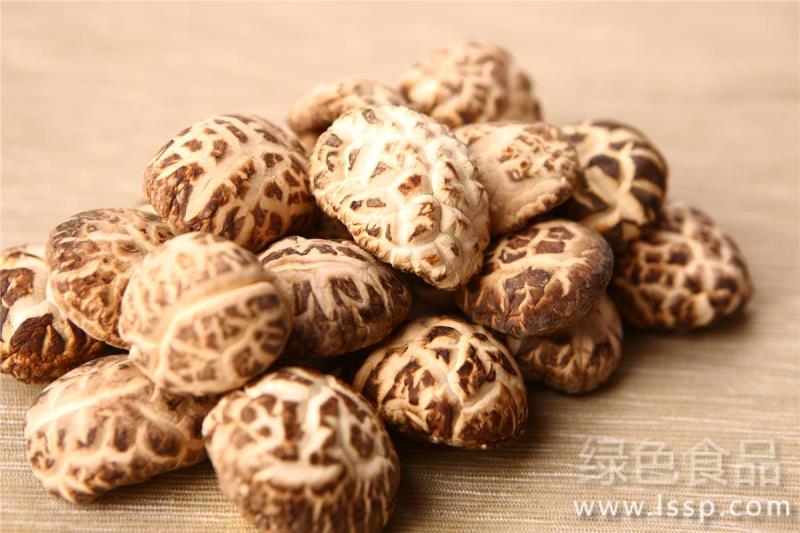
How to artificially create and rationally utilize the cultivation conditions for flower shiitake
Artificial creation and rational utilization - the cultivation conditions for flower shiitake
-
How to Make Mushroom Spicy Chili Sauce and Preparation Tips
1. Ingredients: 5kg fresh mushrooms, 2.5kg oyster mushrooms, 40g salt, 100g monosodium glutamate, 125ml vinegar, 100ml baijiu (Chinese liquor), 400g white sugar, 300g spicy chili sauce, 35g chili pigment, 20g sorghum pigment, appropriate amount of edible agar. 2. Raw material processing: Wash the fresh mushrooms and oyster mushrooms with clean water, remove impurities, and drain the water. 3. Crushing and grinding: Blanch the fresh mushrooms and oyster mushrooms in boiling water for 10 minutes, then place them in a meat grinder in a 4:2 weight ratio and crush them. Add
-
Causes of Potato Degeneration and How to Prevent It
(1) Causes of Potato Degeneration When potatoes are planted in spring in the hot summer regions of the south, after one or several years the yield gradually declines, and there may even be no harvest at all; this phenomenon is called potato degeneration. The direct external cause of potato degeneration is damage by viruses. Common ones in the south include mosaic virus, leafroll virus, common mosaic virus and spindle tuber viroid. These viruses are transmitted through mechanical friction, aphids, leafhoppers or soil nematodes and other vectors, infecting the plants and causing degeneration. High temperature is the indirect external cause of potato degeneration.
-
Scientific control methods for the first-generation Asiatic rice borer (Chilo suppressalis) in rice
According to surveys conducted across Hubei Province, the overwintering mortality rate of the Asiatic rice borer this year was higher than last year, and the post-winter population base was lower than last year but still relatively high. In addition, suitable climate conditions and the expansion of high-quality rice varieties are both favorable to the occurrence and damage of rice stem borers, and the first-generation Asiatic rice borer will show a major outbreak trend in the rice-growing areas of our province, making the control situation still severe. In response to this severe situation, all localities should strengthen leadership, raise awareness, actively organize control efforts, and quickly launch a campaign to wrest grain from the pests to ensure the safety of grain production. 1. Recognize the situation clearly and strengthen organizational leadership. Last winter, our province suffered freezing ice and
-
How to Administer Medication to a Sick Dog? Master the Correct Administration Method
Most medications for treating dog illnesses are given orally. There are many methods for administering medication to dogs, and the choice should be based on the dosage form, dosage, and symptoms. 1 Tablets, pills, and ointments: Have the dog sit and restrain it appropriately. The person administering the medication places the left palm across the dog's nose bridge, uses the thumb and index finger (or adds the middle finger) to open the mouth from both corners, or wraps the skin on both sides of the upper jaw around the upper teeth to open the mouth, then immediately places the tablet or pill at the base of the tongue, or uses a bamboo stick to apply the ointment to the base of the tongue, releases the left hand, and uses the right hand to support
条件筛选