-

Should You Cut Back an Orchid After It Blooms? Pruning Methods and Repotting Tips
Orchids are perennial herbaceous plants in the genus Phalaenopsis of the family Orchidaceae, known as the "gentleman among flowers." They are elegant in form and extremely easy to grow, making them deeply loved by people. However, an orchid's bloom is only the beginning of its flowering period, and many flower lovers may face the question of how to properly handle care after the flowers fade. In fact, the way to handle an orchid after it finishes blooming is not
-
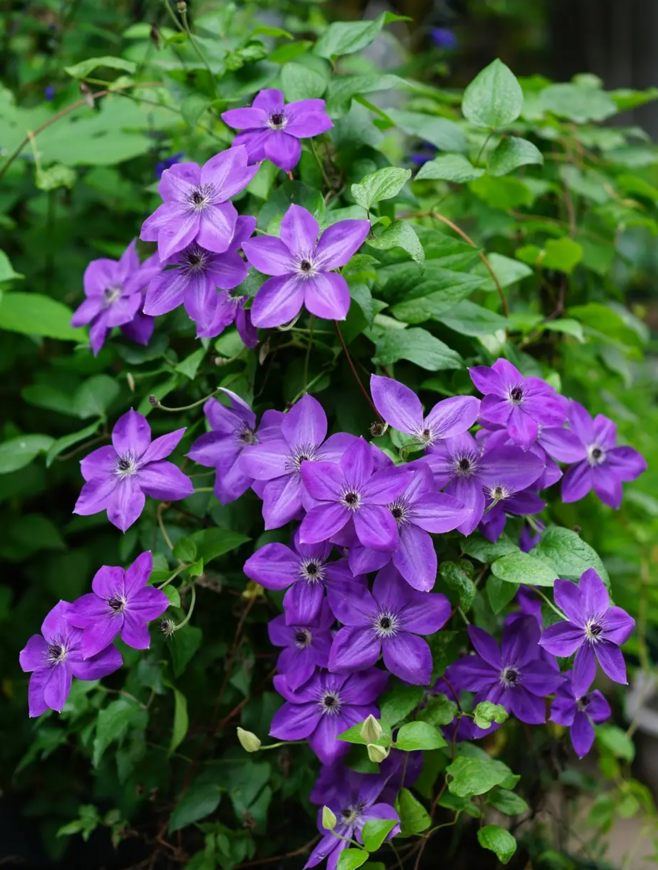
what is Clematis. Queen fujimoto clematis plants and how to pruning it
Clematis (the queen of vining flowers) is also known as "the three treasures of the garden" together with roses and hydrangeas. It also has the reputation of
-

Pruning and shaping flowers this way brings better blooming results
Pruning and shaping flowers to achieve the desired blooming effect
-
White Orchid Tree Pruning Methods and Techniques Explained in Detail
How to prune a White Orchid Tree?
-
Why do flowers and plants need pruning and shaping? The main reasons are these
Why do flowers and plants need pruning and shaping?
-
What are the functions and purposes of training and pruning walnut nursery stock?
Training and pruning is an important technical measure in walnut cultivation and management. Training is the process of purposefully developing a good tree shape with a certain structure during crown formation that is favorable for growth and fruiting. Pruning is, on the basis of training, further developing and perfecting a reasonable tree structure and regulating the contradiction between growth and fruiting.
-
Basis and Development Trends of Training and Pruning Walnut Nursery Stock
1. Prune according to cultivar characteristics. Different cultivars have different growth and fruiting habits, different pruning responses, and therefore different pruning techniques and measures. 2. Prune according to tree age and vigor. Fruit trees of different age stages have different vigor; different site and management conditions also result in different vigor.
-
Growth and fruiting habits of walnut trees related to pruning
1. Bud heterogeneity and branching vigor. Bud heterogeneity refers to the differences in growth vigor and other characteristics among buds at different positions on the same shoot, caused by different environmental conditions during their development and differences in the internal nutritional status of the shoot. Different parts of the shoot
-
Detailed Explanation of Key Techniques for Summer Pruning of Walnut Trees
Summer pruning generally refers to pruning during the growing season, and its main contents include bud removal, pinching, branch thinning, girdling, branch bending, and summer shoot tipping. Its role is to regulate the contradiction between growth and fruiting, improve tree light conditions, cultivate robust fruiting branch groups, and increase the fruit-setting rate. Summer prun
-
What are the main pruning methods for walnut trees?
1. Heading back. Heading back refers to cutting off part of a one-year-old branch. On young walnut trees, the method of heading back vigorous vegetative branches is commonly used to increase the number of branches. The targets for heading back are vigorously growing vegetative branches sprouting from first-order and second-order lateral branches; the purpose is to promote new shoot growth and increase branching.
条件筛选