-

Edible Mushroom Preservation Methods and Key Points for Processing Health Dried Noodles
Key Points for Processing Health Dried Noodles with Edible Mushrooms
-
Key technical points for drying and processing edible fungi and preservation methods
Key technical points for drying and processing edible fungi
-
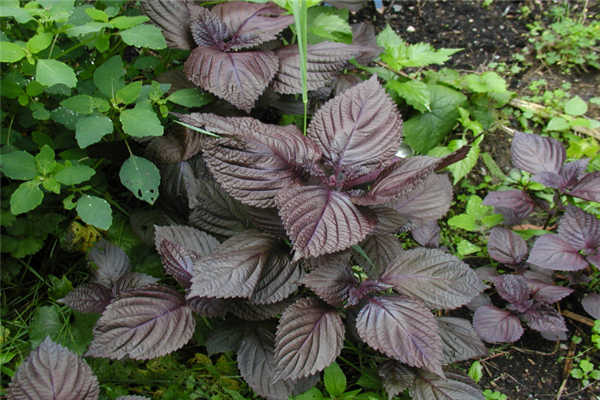
Perilla Cultivation Methods, Perilla Leaf Harvesting Time and Processing Techniques Explained in Detail
Perilla has a long history of cultivation in China. Perilla not only has certain edible value, but also has great medicinal value. So how is perilla grown? When are perilla leaves harvested? How are they processed? When are perilla leaves harvested? The harvesting period varies depending on the purpose
-

Detailed Explanation of Daylily Cultivation Techniques and Processing Methods
Daylily is a floral treasure vegetable with high nutritional value and multiple health benefits, loved by many consumers. Its edible part--the flower bud--is highly nutritious and is called "green gold" and an "all-round nutrition bank." The cultivation techniques and processing methods of daylily are detailed as follows: Daylily Cultivation Techniques
-
Detailed Explanation of Tulip Harvesting and Processing Techniques
Harvest in late December of the year of planting. Dig out the underground part, pick off the tubers, and wash away the soil. Steam in a steamer until steam is everywhere, and after about 15 min, test the tubers with a finger; if no water comes out and there is no sizzling sound, the tubers are steamed through. Take them out, spread them on a bamboo mat, and sun-dry them. Generally, 667 sq m yields 75-100 kg of dried product.
-
Two Methods for Processing Fresh Peach Flavor Explained in Detail
The process flow for canned peach jam is: material selection → processing → grinding → blending → softening and concentration → canning → sterilization. 1. Raw material selection: Choose fully ripe peaches with relatively high acid content and a strong aroma as raw materials. 2. Raw material processing: Remove diseased, insect-damaged, and rotten fruits from the raw materials. Wash the good peaches in 0.5% alum water to remove fuzz, then rinse clean with clear water, cut in half, peel, and remove the pits. 3. Grinding: Grind the trimmed and washed peach pieces with a meat grinder with a plate hole diameter of 8-10 mm.
-
Processing Methods and Technical Key Points for Bagged Roasted Jujubes
Roasted jujubes, also known as crispy jujubes, are burnt-fragrant and crispy with a unique flavor. Process flow: material selection -> soaking and washing -> pitting -> roasting -> sugar coating -> cooling -> packaging. Main technical key points: 1) Material selection. Choose top-grade red jujubes with large fruit, dense texture and no diseases or insect pests as the raw material. 2) Soaking and washing. Pour the red jujubes into a vat of warm water, wash them clean and let them absorb water and swell. 3) Pitting. Remove the pits with a pitter. 4) Roasting. Pour the pitted jujubes into a specially made jujube roasting cage (a cylindrical mesh cage 80 cm long and 25 cm in radius). The cage
-
A Detailed Guide to the Processing and Preparation Methods of Raccoon Dog Feed
The feed of raccoon dogs includes animal-based feed, plant-based feed and supplementary feed. The supply and composition of feed have a great influence on the health, reproduction and fur quality of raccoon dogs. To practice scientific raccoon dog farming, one must understand the effects of the nutrients in feed on raccoon dogs, so as to reasonably and correctly formulate and process feed, and obtain the best economic benefits with the least feed consumption. Therefore, the processing and preparation of feed is very important. I. Feed Processing (1) Processing of fish and meat feed Fresh marine mixed fish, and the meat, liver,
-
Processing Technology for High Viscoelastic Surimi Products (Part One)
When processing and making various surimi foods, the choice of fish species and the freshness of the fish are very important; they affect the elasticity of the product, so in surimi raw materials, there is a certain limit to the amount of soybean and wheat protein powder mixed in; too much will weaken the elasticity of the product. In order to solve the elasticity problem of aquatic surimi products, a new method is adopted in which fish protein alone or mixed with plant protein is made into protein fibers, and then mixed with surimi to produce surimi foods with excellent viscoelasticity, which can enhance the elasticity of Grade C low-quality surimi to above Special Grade A. The production method takes the original
-
Detailed explanation of processing technology for almond series products
1. Technical introduction: China is quite rich in almond resources, and most almonds are exported as raw materials with very low economic benefits. This project conducted research on processing methods for almond series leisure foods. The products include fruit-flavored sugar-coated, amber, and crispy-fragrant types, 3 types and 13 products, and are excellent almond health food series. The Institute of Comprehensive Utilization of Agricultural Products, Shanxi Academy of Agricultural Sciences, adopted self-designed almond peeling and debittering methods, making almond peeling clean and debittering rapid without damaging the almonds; in the processing experiment of fruit-flavored sugar-coated almonds, in-depth research was conducted from different aspects such as the preheating temperature of the sugar-coating machine, sugar dissolving conditions, sugar coating process, and temperature change requirements;
条件筛选