-
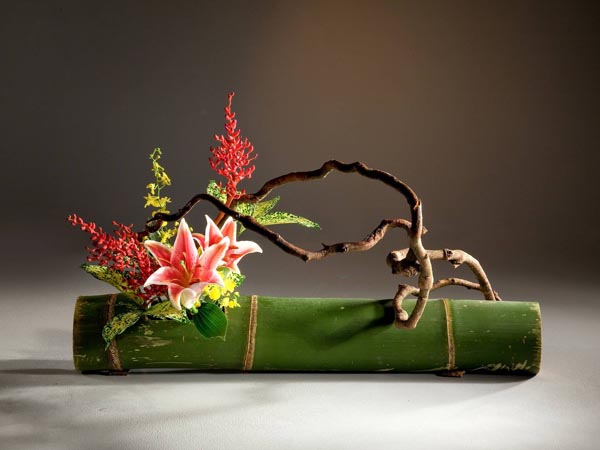
What are the principles of flower arranging? Long-term freshness methods for inspiration
Many flower lovers have their own gardens, filled with all kinds of flowers. Whenever the blooming season arrives, they pick a few stems and create a few flower arrangements following their own inspiration. But once done, they find that these arrangements cannot be kept for long.
-
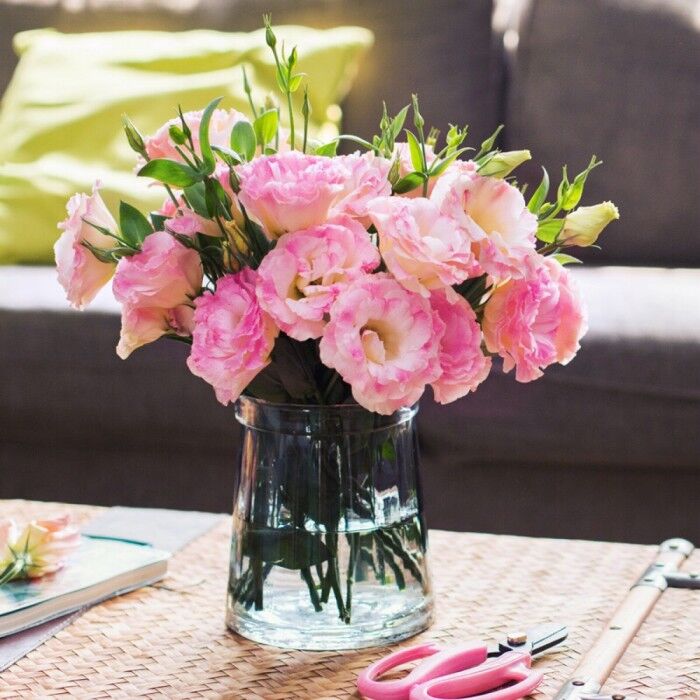
The Three Major Principles of Flower Arrangement and Methods to Extend the Life of Cut Flowers
Flower arrangement and floral design are like painting. Before starting, one should have "the flower in mind," meaning that when selecting flowers, foliage, the overall structural shape, colors, and the final effect, one must have a clear idea. The three principles of flower arrangement: First, harmony between the setting and the objects is required.
-
What are the classifications of flower arranging art? A detailed explanation of the three major principles of flower arranging
Flower arranging and floral creation are like painting. Before starting, one should have "the flower in mind," that is, have a clear idea of the choice of flower materials, leaf materials, overall modeling structure, colors, and the final effect. The three principles of flower arranging: First, harmony between the setting and the objects is required
-
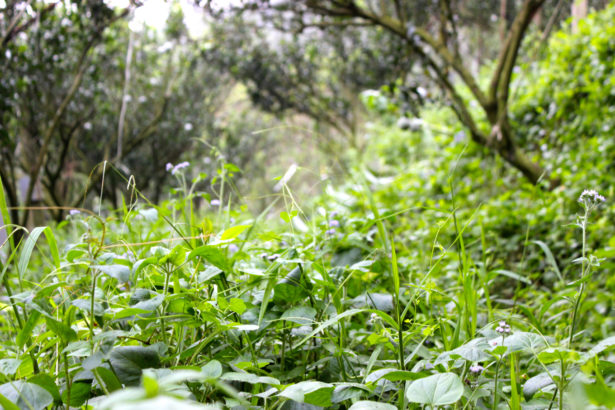
Chen Hsing-tsung sidesteps the paraquat debate, using six core principles of soil and fertilizer to manage weeds
Chen Hsing-tsung / Sidestep the paraquat debate, six core principles of soil and fertilizer to help you manage weeds
-

What are the principles for placing bonsai plants in a study?
As people's living conditions improve day by day, the meaning of home is no longer just a place to shelter from wind and rain. Living rooms, bedrooms, studies, tea rooms and so on - the functionality of different areas is becoming increasingly clear. Because their functions differ, their decorative styles, especially the selection and arrangement of plants,
-
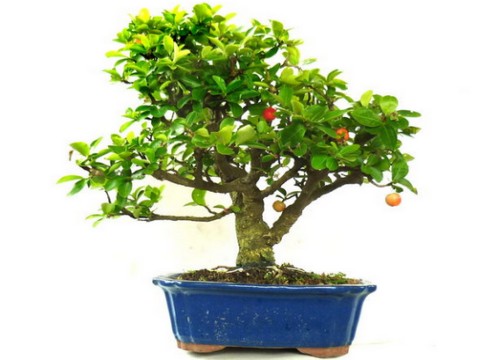
What pruning principles should be followed at different stages of a cherry bonsai?
A potted cherry is a miniaturized cherry orchard. It lets you enjoy the beautiful sight of branches full of blossoms and heavy with fruit, and also offers fine fruit to taste after admiring it. In recent years, along with the improvement of potted cultivation techniques, it is gradually making its way onto the balconies and into the courtyards of countless households.
-
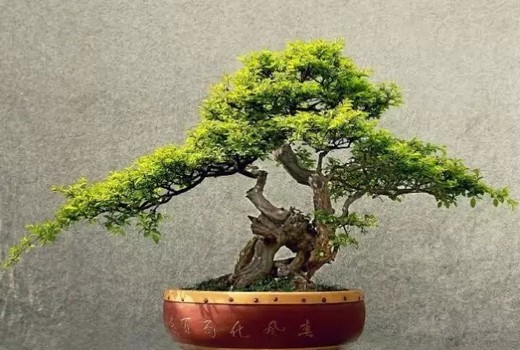
How to fertilize a Chinese elm (Sageretia thea) bonsai? Keep these principles in mind
Sageretia thea is one of the seven sages of bonsai and is very popular among bonsai enthusiasts. To grow a Sageretia thea bonsai well, you mainly need to pay attention to five aspects: water, fertilizing, potting soil, pruning and pest and disease control, among which fertilizing is a very key aspect. Fertilizing a Sageretia thea bonsai must be done with care: too much fertilizer causes excessive leggy growth of branches and leaves, while a lack of fertilizer makes the branches thin and weak
-
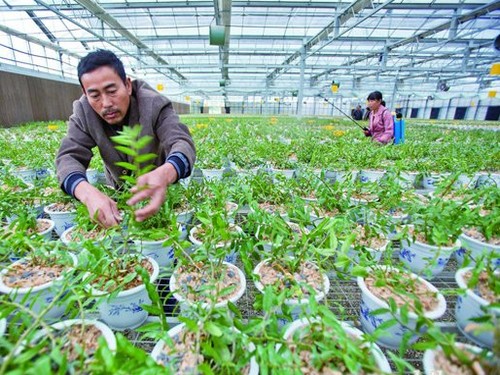
How to Fertilize Bonsai? Detailed Explanation of Methods and Principles
The types of fertilizer for bonsai plants are mainly organic fertilizer and inorganic fertilizer. Organic fertilizers mainly include: human feces and urine, barnyard manure, poultry manure, green manure, bone meal, plant ash, soybean cake, sesame paste residue, etc., as well as waste organic matter from daily life such as fishy water and rice-washing water. Inorganic fertilizers mainly refer to various artificially synthesized chemical fertilizers
-
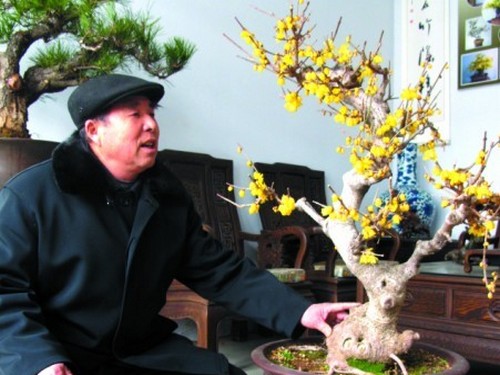
How to shape wintersweet bonsai? Detailed explanation of methods and principles
There are many ways to shape wintersweet bonsai. Taking the Sichuan-style bonsai as an example, they make wintersweet bonsai mostly in the "rolling dragon style," whose characteristic is a momentum like dragons flying and phoenixes dancing. If wintersweet is to keep a tree form, shape it after new branches grow; if making a stump landscape, cut off the upright branches and shape it after new branches emerge the following year
-
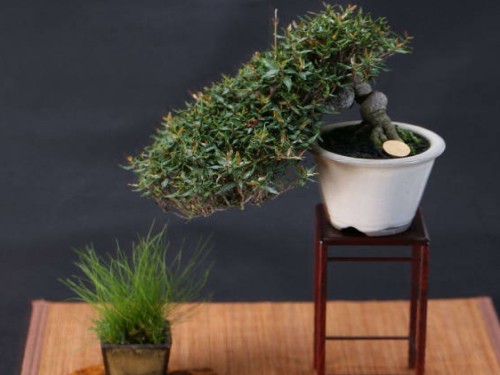
Timing, methods and principles for fertilizing bonsai
Bonsai has less soil, so nutrients are limited and must be replenished constantly. Otherwise, branches become weak, leaves turn yellow, flowers are sparse and fruit is scant, which affects the ornamental effect. At the same time, bonsai plants need their growth suppressed, so generally they do not need too much fertilizer; too much makes branches and leaves grow too densely and affects the shaping. Therefore, fertilizing must be done reasonably and in the right amount.
条件筛选