-

Primary processing of agricultural products made easy, only 5 copies left from the first print run of 5,000
After the food safety scandals, many people lost trust in large food companies, and some turned to small farmer markets for their purchases, but to date there is still very little food safety guidance published for small farmers. The Science and Technology Policy Research and Information Center of the National Applied Research Laboratories convened domestic food safety teams to compile "Craftsmanship Handmade Happiness Secrets - The First Lesson for Small Producers,"
-
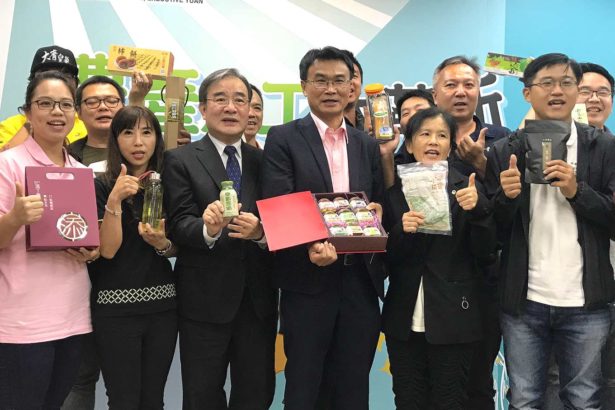
Agricultural Products Management Act passes first reading, small farmers gain legal basis for primary processing on farmland
A major step forward for small farmer processing! The Agricultural Products Management Act passes first reading, giving primary processing on farmland a legal basis
-
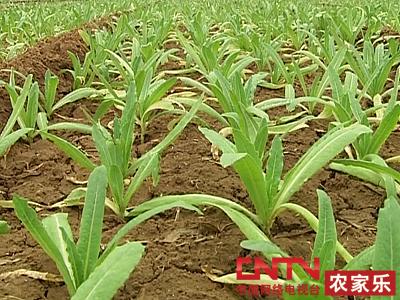
Taisun cultivation techniques and primary processing methods (2010.12.8)
Taisun cultivation and primary processing (2010.12.8)
-
Chongqing Allocates 34.65 Million Yuan to Subsidize Primary Processing Facilities
Chongqing: 34.65 Million Yuan to Subsidize Primary Processing Facilities
-
Detailed Explanation of Key Points of Potato Storage and Primary Processing Technology
I. Storage Technology 1. Pit storage. Choose a site with high, dry terrain, and dig a trench 0.8-1.5 m wide and 0.9 m deep. Put potatoes pre-stored in a cool place into the trench for storage when freezing is about to occur, spreading the tubers loosely to a thickness of 40-50 cm, placing a bundle of corn stalks every 1 m to make a ventilation tube, with the ventilation tube extending 0.5 m above the ground, covering with a straw curtain, and covering with soil when the temperature drops, with a thickness not less than the frozen soil layer; the top of the trench should be raised. 2. Stack storage method in a ventilated storage warehouse. The potato pile is 1.3-1.7 m high. 2 m wide, and every 2-3 m a
-
Detailed Explanation of Primary Processing Methods and Operating Steps for Gastrodia elata
When Gastrodia elata is sold fresh or delivered for sale, after harvest it should be kept from being bumped, knocked about, or mechanically damaged, then the soil and sand on the tubers should be gently brushed off with a soft brush, and they can be packed into soft-lined wooden boxes or plastic crates. If processing dried Gastrodia elata, it takes longer; generally the boiling method and the steamer method are used for cooking, followed by oven drying or sun drying. In actual production, the steamer method and heated kang drying method are generally used for drying, and the operational process flow is: grading Gastrodia elata -> washing with clean water -> steaming until cooked over high heat -> heated kang drying at 50°C for 60 minutes, at 60°C for 60 minutes, at 70°C for 6
-
Detailed Explanation of Key Points in Gastrodia elata Harvesting and Primary Processing
If Gastrodia elata is sold fresh, it is enough to keep it from being bumped, dropped, or mechanically damaged after harvest, then gently brush off the mud and sand on the tubers with a soft brush and pack them into soft-lined wooden boxes or plastic crates. If processing dried Gastrodia elata, the method is more complicated: generally, it is first cooked by boiling in water or steaming in a steamer basket, and then dried by oven or sun. In actual production, the method of steaming in a steamer basket and drying in a kang oven is generally used, and the operational process is: grading - washing - steaming - kang drying. 1. Grading: grade by 50-gram differences according to the weight of Gastrodia elata, that is, place and process separately those below 50 grams, 50-99 grams, 100-150 grams, 151-200 grams, and 201 grams and above, while removing diseased tubers, rotten tubers, and other unqualified products.
-
Detailed Explanation of Harvesting Methods and Primary Processing Techniques for Codonopsis pilosula
1. Harvesting and Storage of Codonopsis pilosula Seeds Although one-year-old Codonopsis pilosula plants can produce a small amount of flowers and seeds, many of the seeds are shriveled and do not easily sprout after sowing, or the seedlings that emerge are weak in growth, so they are not suitable for seed use. Two- to three-year-old Codonopsis pilosula plants produce more flowers and seeds, with plump grains, high yield, and good quality, and the seedlings grown from them are robust, making them suitable for seed use. Codonopsis pilosula seeds are generally harvested from September to October, when the fruits of two- to three-year-old Codonopsis pilosula turn yellowish-white and the seeds turn brown. After harvesting, dry them in the shade, place them in cloth bags or burlap bags, and store them at low temperature; the suitable temperature is below 10°C. 2. Codonopsis pilosula
-
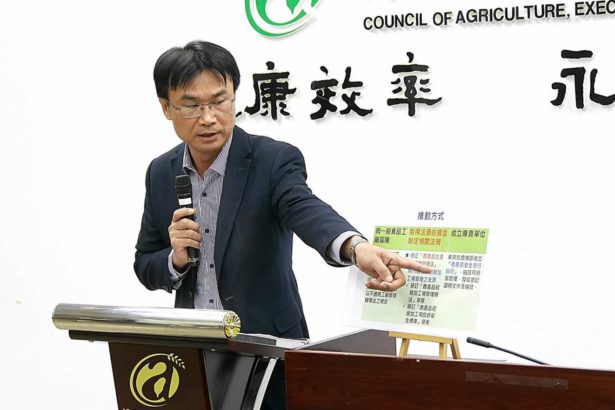
The era of small-scale farmers' primary processing arrives, and the COA's workshop registration certificate is equivalent to factory registration
The era of small-scale farmers' primary processing has officially arrived! Under the jurisdiction of the COA, obtaining a "workshop registration certificate" is equivalent to "factory registration"
-
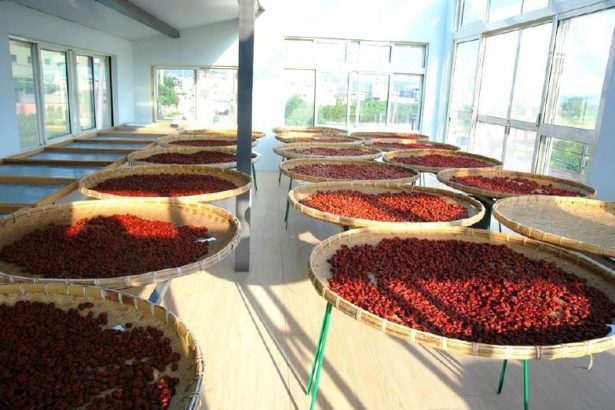
Primary agricultural processed foods to be brought under regulation; dedicated law for small-scale processing aims to be completed this year
Primary agricultural processed foods are to be regulated by the Council of Agriculture, with efforts to complete a dedicated law for small-scale agricultural processing this year
条件筛选