-
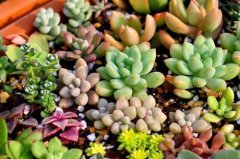
How to Plant Succulents and Tips for Choosing Potting Soil
Growing succulents is rather difficult, as the care they need differs from season to season, and the main focus is still on the three aspects of sunlight, air and water. So what are the methods for planting succulents? Methods for planting succulents: 1. Choose a suitable
-

Water-grown plants save you the hassle of repotting: these four are pretty and easy to grow
These days many people like to keep some flowers and plants at home, since they are both pleasing to the eye and purify the air, but repotting potted plants is rather a hassle. In fact, you can choose to grow hydroponic plants. Let's take a look below at four hydroponic plants that are both pretty and easy to grow.
-
The correct method and precautions for repotting a kalanchoe
With the arrival of spring, the temperature gets warmer and warmer, and many people's kalanchoes grown on the balcony also need repotting. So how do you repot a kalanchoe, and what precautions are there? Let's take a look below. 1. Repotting time Repotting time is also one of the precautions for repotting kalanchoe
-
Complete Collection of Epiphyllum Pictures and Detailed Care Guide
Summary Potting soil: You can choose leaf mold, garden soil and sandy soil. Light and temperature: The suitable temperature for growth is around 15-25°C. In summer, it needs to be placed in a spot without direct sunlight for care, and in winter it needs to be moved indoors to overwinter. Watering: In late autumn, winter and early spring, watering needs to be strictly controlled.
-
Clivia (Kaffir Lily) Growing Methods, Repotting and Precautions
Summary Growing methods: Soil can be made from leaf mold, cinder soil and garden soil in a 2:1:1 ratio; for the pot, choose a clay pot, ceramic pot or porcelain pot that is deep enough; Clivia loves a humid environment, so in summer water it morning and evening, in spring and autumn water once every 4 days, and in winter
-
How to grow a Peace Lily tree? Cultivation methods and precautions explained in one go
Summary Potting soil: The Peace Lily tree (Cinnamomum kotoense) is suited to being grown in fertile, loose, acidic sandy loam rich in organic matter. Light: It needs ample light during growth, but should not be exposed to direct strong light. Temperature: The suitable growing temperature is 20-30°C. Water requirements: Both the potting soil and the air need to
-
A Detailed Guide to the Cultivation and Growing Methods of the Bitter Orange (Citrus aurantium var. amara)
Summary Selection of potting soil and seedlings: choose a purple clay (zisha) flower pot with good permeability; select plants with a relatively vigorous root system and robust growth; the soil should be loose, fertile, nutrient-rich and well-draining. Potting: repot in early March to April or in October to November. Reasonable watering and fertilizing: in summer and autumn, appropriately increase the amount and frequency of watering; in spring and winter, water sparingly; fertilizer should be applied in small amounts but frequently. Repotting, root pruning and branch pruning: prune the roots appropriately, and train the branches according to bonsai shape and flowering and fruiting requirements.
-
How to Grow and Care for Emerald Spider Plant
Summary Potting soil requirements: Emerald spider plant can be grown in a shallow pot filled with leaf mold. Watering management: when watering, it is better to keep it dry than wet, but in dry weather you can spray water on the leaves and vines more often. Light and temperature: Emerald spider plant prefers a semi-shaded environment and should not be exposed to strong sunlight; the suitable growing temperature
-
How to Grow a Christmas Cactus? A Detailed Guide to Cultivation Methods
Summary Soil: For potting, you can use peat, perlite, and ceramsite mixed in a 2:2:1 ratio. Temperature: It needs plenty of light, and the suitable temperature is 15-32°C. Watering: In summer, water once every 2-3 days; in spring and autumn, water once every 4-5 days; in winter, water once a week. Fertilizing: Apply decomposed liquid fertilizer once every 15 days; in autumn, apply phosphorus and potassium fertilizer; stop fertilizing after flowering. Repotting: Repot once every two years, and this can be done in spring.
-
How to Grow Red-Leaf Rohdea? Detailed Guide to Growing Methods and Tips
Summary Potting soil: For red-leaf Rohdea (Rohdea japonica), you can use leaf mold, garden soil and river sand mixed with a small amount of decomposed base fertilizer in a certain ratio to make the growing medium, and repot once every spring. Temperature: The optimal growing temperature is 15-18°C, and it must not go below 5°C. Light: It prefers a semi-shaded environment and should not
条件筛选