-

Pond Stocking Methods and Technical Key Points for Yellow Catfish
Yellow catfish (scientific name: Pelteobagrus fulvidraco), a fish of the family Bagridae, genus Pelteobagrus. Body length about 20cm, ventral surface flat and straight, posterior half of body laterally compressed, caudal peduncle relatively slender. Head large and flat, snout short, rounded and blunt, upper and lower jaws slightly equal in length, mouth large, inferior, with villiform tooth bands on both cheeks and palatine bones.
-
Key Technical Points for Summer Stocking of Largemouth Bass in Ponds
1. Pond drying and disinfection. Aquaculture ponds must be drained and dried for 10-15 days, the pond embankments repaired, and quicklime or bleaching powder used for disinfection. 2. Fingerling rearing. First, use early-breeding fry from Guangdong raised in dedicated ponds from late April to early May, and divide them into separate ponds when they reach about 5 cm; second, use locally self-bred largemouth bass, and select fingerlings that are robust, uniform in size, healthy and disease-free. Stocking density is 800-1200 fish per mu.
-
Key Technical Points for Planting Grass and Stocking Snails in Crab Culture Ponds
With the expansion of crab culture scale and the improvement of intensive farming levels, the water quality of aquaculture waters has deteriorated, the quality of river crabs has declined, and diseases have worsened, affecting the improvement of river crab culture benefits. In recent years, Dalong Township, Dafeng City, Jiangsu, has adopted the method of planting grass and stocking snails to culture river crabs.
-
Experience in Stocking Fingerlings for Tilapia Pond Aquaculture
1. Selection of fingerling size for stocking. Adult fish farming generally involves stocking in the same year and harvesting in the same year, so the fingerling stocking size is generally 3-10 cm, which gives a high fingerling survival rate, large marketable fish size, and high economic returns. At present, the fingerling sizes for tilapia farming in China mainly fall into three
-
How to Achieve High Yield When Stocking Fish Fry in Ponds After the Start of Spring? Farmers Should Remember These 6 Points
After the Start of Spring, many farming activities need to begin preparation. Under the impact of the epidemic, there may be delays, but everything that needs to be prepared should start being prepared. So what are the high-yield methods for stocking fish fry in ponds after the Start of Spring? Farmers should remember these 6 points! 1. Pond Stocking of Fry
-
A Detailed Guide to Bullfrog Farming Techniques: Master Scientific Farming Methods
Before the tadpoles are stocked in the pond, the pond must be cleaned thoroughly and disinfected with 200 PPM bleaching powder. After the tadpoles metamorphose, they should be transferred to juvenile frog ponds in a timely manner; to prevent cannibalism, they should be graded and raised according to size in a timely manner. After they become adult frogs, an escape-proof wall must be built around the frog pond, with a height of about 1.5 m, and the pond water depth
-
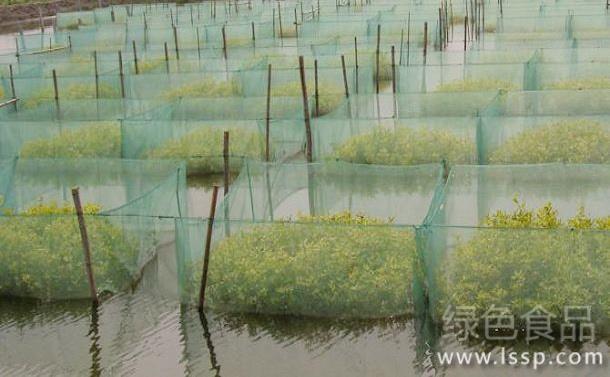
Efficient Loach Pond Farming Techniques: Rational Stocking and Scientific Regulation
Rational Stocking and Scientific Regulation: Efficient Loach Pond Farming Techniques
-
What are the pond-clearing methods? Remember these five before stocking fish fry
Before stocking fish fry, the aquaculture pond must be cleared to kill various predatory small wild trash fish, harmful aquatic animals and plants, parasite eggs, pathogenic bacteria, etc., creating a good environment for the growth of adult fish. The following five pond-clearing methods are introduced: 1. Clearing the pond with quicklime. When carrying out drainage pond clearing (that is, draining the pond water to a depth of 5-10 cm of remaining water before clearing), use 60-70 kg of quicklime per mu of pond; when clearing without draining, use 125-150 kg per mu of pond for every meter of water depth (200 ppm).
条件筛选