-
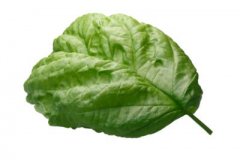
Introduction to the Napoletano basil variety: growing and propagation speed
Whether flavoring a rich tomato sauce or making the perfect from-scratch pesto, basil is a versatile and delicious fresh herb. Combined with its growing habits, it is easy to understand why this tasty plant is a favorite of many home gardeners.
-

Can Tadpoles Be Eaten Raw? An Analysis of the Safety of Eating Tadpoles Raw
Eating tadpoles raw is an old Jinan tradition, also known as "drinking them live," and it is a memory for many old-time Jinan residents. Put the tadpoles in a bowl, pour in clean water, optionally add a little vinegar, and then drink it all down in one gulp. So can tadpoles be eaten raw? 1. Can tadpoles be eaten raw?
-
Key Points and Management Requirements for Growing Pole Beans
Summary Pole beans are best planted in well-drained, loose and fertile soil. The base fertilizer can include chemical fertilizer and farmyard manure. Before planting, soak and disinfect the seeds first, then sow at a row spacing of 40cm, a plant spacing of 30cm, and a density of 3 seeds per hole. During the seedling stage, control water and
-
What are the key points of the planting technique for the pole bean "Jiadouwang"?
Jiadouwang is a type of common bean with thick flesh and few strings, relatively high resistance to pests and diseases, and relatively high yield, and it is well loved by consumers. Let's take a look at the planting technique for Jiadouwang. 1. Land preparation When planting Jiadouwang, choose soil with good drainage and thick fertility; before preparing the land, apply base fertilizer first. For the base fertilizer, choose fully decomposed farmyard manure as the main component and add an appropriate amount of chemical fertilizer. After fertilizing, deeply plow the soil, level it, and make beds. Generally the bed width is 1.2 m, the bed height is 6 cm, and the distance between beds is 70 cm.
-
Management Key Points for the Tadpole Stage and Metamorphosis Stage in Forest Frog Breeding
1. Feeding and management during the tadpole stage The tadpole stage is an extremely important period in the individual life history of the forest frog, generally lasting 40-50 days. Artificial greenhouses are a good facility for raising tadpoles. (1) Feeding during the tadpole stage: Tadpoles are omnivorous, and their main food sources include water algae,
-
Rearing and Management Experience for Stone Frog Tadpoles in the Early Growth Stage
Stone frog, I think many people have eaten it. Stone frog has high nutritional value and its taste is very delicious, so many people like to eat stone frog in daily life. As people's demand for stone frog grows, more and more people are breeding stone frog. Breeding stone
-
Methods for preventing and controlling common predators in toad farming
(1) Prevention and control of tadpole predators 1. Types of predators Carnivorous fish, turtles, shrimp, rice field eels, water snakes, water centipedes, leeches, aquatic plankton, etc. In addition, large tadpoles eat small tadpoles, and young toads and adult toads eat small tadpoles. 2. Prevention and control methods (1) Before stocking tadpoles
-
How to Plant Vallisneria Seeds? A Detailed Guide to Planting Methods
Vallisneria is also called flat-pole grass, because its leaves look very much like a carrying pole. It is one of the aquatic plants that crayfish like, and many crayfish farmers plant Vallisneria. So how do you plant Vallisneria seeds? 1. Planting methods. 1. Sowing: that is, using Vallisneria seeds for sowing
-
When is the best time to plant pole bean "Jiadouwang"?
Jiadouwang pole beans can be planted in both spring and autumn, but they are generally planted in late March in spring. Before planting, be sure to soak the seeds in a diluted fungicide solution for two to three hours, then remove them, rinse them clean with water, and then sow. How to grow Jiadouwang pole beans: 1. Land preparation
-
Detailed Explanation of Key Cultivation Techniques for White Bulao Pole Beans
To cultivate White Bulao pole beans, sowing and seedling raising must be done at the right time; generally, sowing can be done in three seasons: spring, summer, and autumn. Spring sowing is concentrated in mid-March, and planting begins after applying sufficient base fertilizer. Field management mainly consists of intertillage weeding, trellising, and topdressing, with harvesting arranged at the end.
条件筛选