-

How to manage hyacinth beans during the flowering and podding stage? A detailed explanation of the latest management points
The flowering period of hyacinth beans is precisely the critical period for pollination and fruit setting. Management during this period is extremely important. During the flowering period, a large amount of nutrients is consumed, and the demand for fertilizer is relatively high. So how should hyacinth beans be managed during the flowering period? How should fertilizer be applied? Let's learn about it together. 1. Temperature
-
Latest Management Techniques and Key Points for Peas During the Podding Stage
The peak growth period of pea planting is the podding stage of peas. At this time, sufficient fertilizer and water are needed, as well as measures such as pruning and training to regulate the growth of peas. So what measures are generally used to assist regulation, and how should fertilizer and water be managed? Please pay attention to the following content.
-
Detailed Explanation of the Latest Management Key Points for Soybeans at the Flowering and Podding Stage
Management of soybeans during the flowering and podding stage is related to the final yield of soybean cultivation and is closely tied to farmers' income. Once managed improperly, it can lead to reduced yield in mild cases or total crop failure in severe cases. So how should soybeans be managed during the flowering and podding stage? Let's take a look at the detailed introduction below. 1. Fertilization Soybeans
-
How to manage peanuts during the flowering and podding stage? Latest technical key points
Peanut is a grain crop that many people enjoy eating very much, and it is also a relatively important oil crop in our country. It has a very large planting area in our country. When planting peanuts, we should pay attention to carrying out management work well according to the growth stages of peanuts. In particular
-
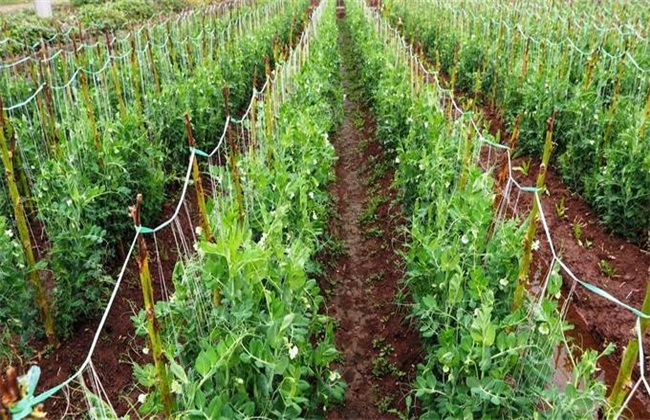
How to manage peas during the podding stage? Detailed explanation of key technical points
Management of peas during the podding stage
-

How to manage soybeans during the flowering and podding stage? These key points must be mastered
Key management points for soybeans during the flowering and podding stage
-
How Many Months After Sprouting Do Soybean Flowers Bloom, plus Cultivation Techniques and Key Management Points During the Flowering and Podding Stage
Key Management Points for Soybeans During the Flowering and Podding Stage
-
Key Integrated Management Techniques for Soybeans During the Flowering and Podding Stage
When soybeans enter the flowering and podding stage, vegetative growth and reproductive growth proceed together, requiring sufficient water, nutrients and light. In terms of cultivation measures, vegetative growth and reproductive growth should be coordinated to achieve many pods and many seeds. The main measures should include the following "three preventions" and strengthened management during the seed-filling and maturation stage. The "three preventions" measures during the flowering and podding stage (1) Preventing excessive vegetative growth: when soybeans have shown 2 tillers and are flowering, use 30 grams of 15% paclobutrazol wettable powder per mu, mix with 40 kg of water, and spray to top the plants, which can shorten internodes, control top vine growth, increase flowers and preserve pods, so that pods cover the top; (2) Preventing drought and waterlogging: during the soybean flowering period, attention should be paid to summer drought, seepage and moisture retention, and in case of severe waterlogging, drain promptly to reduce waterlogging damage; (3) Controlling pests: from the end of July to mid-August is the peak outbreak period for soybean semi-looper, bean hawk moth, leaf roller, alfalfa noctuid and other pests. Pesticides with contact and stomach poison effects such as fenvalerate or cypermethrin plus dimethoate emulsion or dichlorvos can be used for control, eliminating pests at the 1st-2nd instar stage.
-
Detailed Explanation of Key Management Techniques for Soybeans During the Flowering and Podding Stage
During the flowering and podding stage, soybeans require thick, sturdy stems and dark green, thick leaves free of spots. Field management mainly focuses on preventing premature aging, controlling excessive vegetative growth, preserving flowers and increasing pods, and preventing shedding. 1. Skillful application of flower fertilizer. The flowering and podding stage is the period when soybeans absorb the most nutrients, and skillful application of flower fertilizer can generally increase yield by more than 15%. At the early flowering stage of soybeans, generally 5-10 kg of urea is applied per 667 sq m as a topdressing; for poorly growing plants, more should be applied, while for robust and luxuriant plants, less or no topdressing should be applied. In conjunction with nitrogen fertilizer application at the flowering stage, phosphorus, potassium, and trace element fertilizers such as boron and molybdenum should be sprayed on the leaves. Generally, 2 sprays are applied, each time per
-
What are the management measures for soybean during the flowering and podding stage? A detailed explanation
1. Topdressing with flower-pod fertilizer. Practice has proven that topdressing during the flowering and podding stage has an obvious effect on subsequently increasing flowers and preserving pods, reducing shedding, and raising yield. Fertilization method: at the early flowering stage of soybean (earlier for poor-growing plants, later for vigorously growing plants), apply 5-10 kg of urea per mu. If the soil has strong fertilizer supply capacity and the plants grow robustly, apply less or not at all, so as to avoid causing excessive vegetative growth, which may lead to lodging or increased flower and pod shedding. In combination with nitrogen topdressing at the flowering stage, foliar spraying of phosphorus and potassium fertilizers and trace fertilizers such as boron and molybdenum has an even better yield-increasing effect. 2. Drought resistance
条件筛选