-
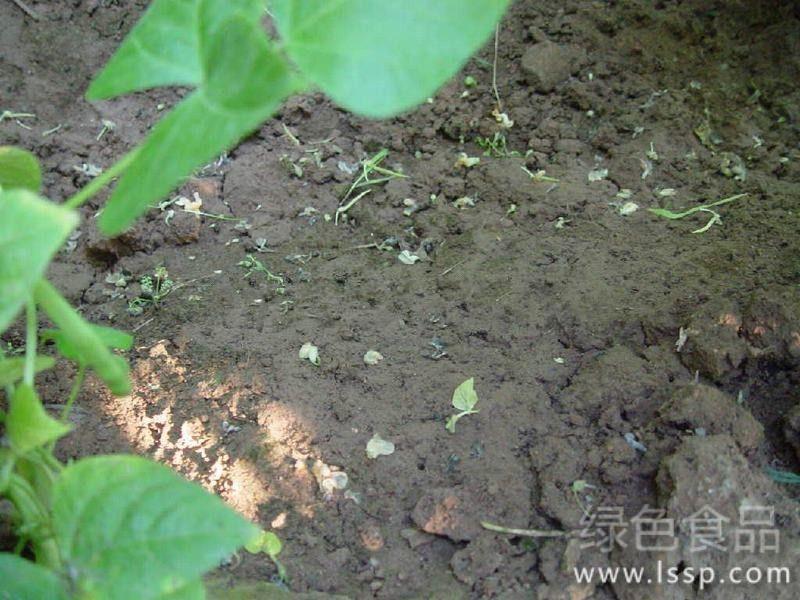
Causes of Flower and Pod Drop in Cowpeas and How to Prevent and Control It
Causes of Flower and Pod Drop in Cowpeas and How to Prevent and Control It
-
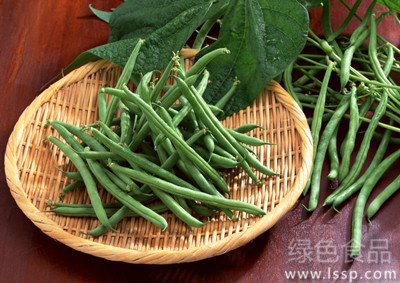
How to prevent flower and pod drop in common beans? Four technical measures
Four technical measures to prevent flower and pod drop in common beans
-

What causes soybean flower and pod drop?
1. Poor ventilation and light penetration. Sunlight is not only the main energy source for the production and accumulation of organic nutrients, but also the main factor that promotes rapid plant development and inhibits excessive vegetative growth. Good ventilation and light penetration in soybeans can make the climate between plants consistent with the climate above the plants, reduce humidity between plants, increase light and temperature, accelerate transpiration from the leaf area, and speed up the transport of nutrients. 2. Imbalanced nutrient supply. Plants on poor, thin soil drop more flowers and pods than those on fertile soil. Soybeans with excessive vegetative growth and shaded branches and leaves drop more flowers and pods than soybeans with normal growth and good ventilation and light penetration.
-
What are the methods for preventing and controlling soybean flower and pod drop?
1. Reasonable topdressing. Usually, soybean is topdressed once with nitrogen fertilizer at the early flowering stage, which can reduce the rate of flower and pod drop, extend the lifespan of the plants, increase grain weight, and raise yield. Generally, 150-230 kg of ammonium nitrate or 120-180 kg of urea can be applied per hectare; at the flowering and podding stage, foliar topdressing can be carried out, using 0.5 kg of urea, 1.5 kg of superphosphate, 0.3 kg of potassium sulfate, and 30 g of borax per mu, adding 50 kg of water, extracting the leachate, and spraying it on the leaf surface, which helps preserve flowers, increase pods and grains, and raise the 100-
-
What to Do About Soybean Flower and Pod Drop? Causes and Control Techniques
There are many causes of flower and pod drop in soybean, mainly: poor ventilation and light penetration. Under poor ventilation and light conditions, soybean is prone to flower and pod drop. When planting soybean, improper variety selection, early canopy closure, excessive density, mutual shading of branches and leaves, coupled with high humidity and poor light, leads to low leaf chlorophyll content, causing soybean plants to gradually turn yellow. With little nutrient accumulation, flowers and pods drop. Nutrient imbalance: the flower and pod drop stage of soybean is the period of highest nutrient demand; if nutrient supply is insufficient, flowers and pods will drop. The fertilizer requirement pattern of soybean
-
What to Do About Soybean Flower and Pod Drop? A Full Guide to Prevention and Control Measures
Soybean flower and pod drop is a major factor affecting yield. Under ordinary cultivation conditions, the number of dropped flowers and pods can account for more than 50% of the total number of flowers, and in severe cases up to 70%. Soybean flower and pod drop is mainly caused by internal physiological imbalance in the plant and adverse external environmental conditions. Based on practical experience in our area, the following measures can be taken to prevent soybean flower and pod drop: 1. Apply more phosphorus and potassium fertilizer, and appropriately top-dress with nitrogen fertilizer and micronutrient fertilizer. Applying more phosphorus and potassium fertilizer to soybeans can reduce flower and pod drop and promote full grains. Therefore, on the basis of applying sufficient base fertilizer, at sowing time for every 66
-
How to prevent soybean flower and pod drop? Practical methods are here
1. Topdressing according to the field and the seedlings. For fields where the plants cannot close the rows in time during the flowering period due to lack of fertilizer, topdressing can be applied once more at the early flowering stage. Generally, applying 5 kg of urea or 10 kg of ammonium sulfate per mu can reduce flower and pod drop. 2. Foliar spraying of fertilizer. During the flowering and podding period, generally use 0.5 kg of urea, 1.5 kg of superphosphate, 0.25 kg of potassium sulfate, and 25 g of borax per mu, add 50 kg of water to extract the infusion, and spray it on the leaves. It is best to spray on cloudy days or after 4 p.m., which helps preserve flowers, increase pods and seeds
-
Prevent soybean flower and pod drop: early prevention is key
Soybean flower and pod drop is a major factor limiting soybean yield increases. In production, the rate of soybean flower and pod drop generally reaches about 45%-70%. The most flowers drop 3-5 days after flowering, and the most pods drop 10-15 days after flowering. To increase soybean yields, substantial effort must be devoted to preventing flower and pod drop. 1. Causes of flower and pod drop 1. Poor ventilation and light penetration: excessive planting density and poor planting techniques cause excessive vegetative growth, too
-
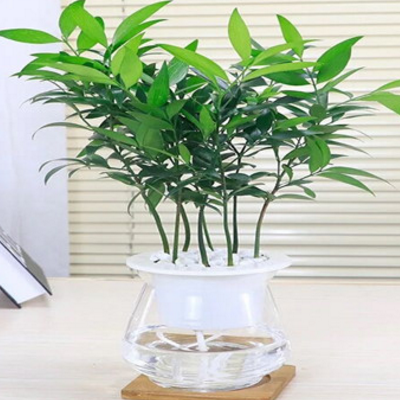
Can Podocarpus macrophyllus be grown hydroponically? Causes of yellowing leaves and solutions
Podocarpus macrophyllus is something many people absolutely love to grow, and it looks just this beautiful. Can Podocarpus macrophyllus be grown hydroponically? What to do when its leaves turn yellow: Can Podocarpus macrophyllus be grown hydroponically: Yes, Podocarpus macrophyllus can be grown hydroponically. What to do when its leaves turn yellow: Long-term water shortage in Podocarpus macrophyllus
-
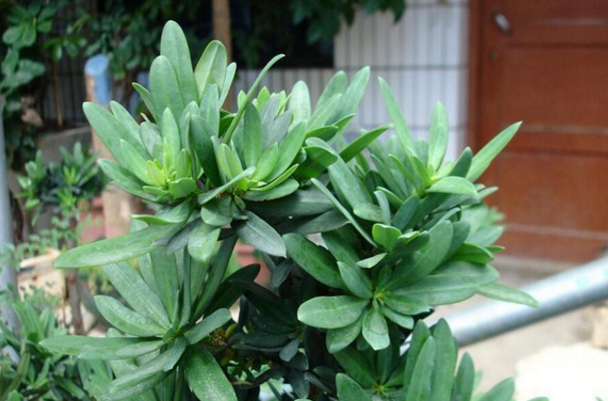
A Detailed Guide to the Causes of and Solutions for Podocarpus Leaf Drop and Its Propagation Methods
Podocarpus, also known as Luohanshan and Tushan, is a type of pine and a national second-class protected plant. Its leaves are lanceolate in shape, and it often serves as a greening tree, playing an ecological role. It prefers fertile, sandy, and moist soil, is not tolerant of severe cold but has a long lifespan, and grows mixed with broadleaf trees in coastal mountain ranges and offshore mountainous areas.
条件筛选