-
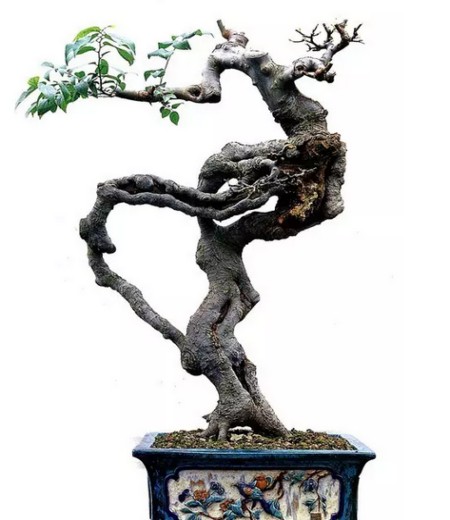
Bonsai art is a comprehensive plastic art that uses natural scenery as its material
Bonsai artists use creative techniques and reasonable layout to cultivate artistically shaped trees, flowers and plants, or artistically processed various rocks, in pots of different depths, lengths and widths, shapes and sizes, and colors and textures, so that they form a scene imitating nature
-
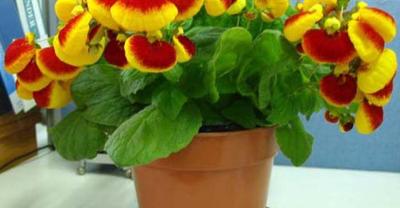
Detailed Explanation of High-Yield Planting Techniques for Plastic-Mulched Peppers
Plastic film mulching cultivation has the advantages of raising soil temperature, maintaining soil moisture, reducing labor input and reducing pest and disease damage, which can improve planting yield and quality, and reduce...
-

Key Technical Points for Spring Sesame Cultivation with Plastic Film Mulching
Plastic film mulching cultivation can bring sesame yields to over 150 kg per mu, and some can exceed 200 kg, so film mulching is an effective cultivation measure for achieving super-high sesame yields. The specific techniques are introduced as follows: 1. Seed selection and timely early sowing: After plastic film mulching, the effective growth period of sesame is extended. Therefore, mid-to-late maturing excellent sesame varieties with waterlogging tolerance, disease resistance, and high yield potential should be selected, such as Yuzhi No. 5, No. 7, No. 8, and sesame hybrids. Early sowing is suitable, with a sowing period from the end of April to early May, to fully utilize the growing season and increase sesame yield. 2. Land preparation
-
Plastic-mulched cotton grows vigorously, so lodging and premature senescence must be prevented early
Many cotton farmers, in the process of growing plastic-mulched cotton, are prone to some technical mistakes that cause cotton plant lodging and premature senescence. The former is triggered by removing the film too late, while the latter is caused by untimely or insufficient topdressing. Therefore, the following measures should be taken promptly: remove the plastic film at the right time. Plastic-mulched cotton has a much stronger capacity to absorb fertilizer and water in the early stage than directly sown cotton. If the film is removed at the right time and field management is strengthened, plastic-mulched cotton can give full play to its advantages; if the film is removed late or not removed at all, it is not conducive to the cotton roots growing downward, causing most roots to be distributed in the upper soil layer,
-
Frequently Asked Questions About Fertilizing and Weeding Cotton Under Plastic Mulch
Recently, Ding Libang, a 75-year-old farmer from Shuqiao Village, Wuluo Town, Yunmeng County, Hubei Province, called me to ask whether he could switch from raising seedlings in nutrient pots and transplanting them to cultivation under plastic mulch this year. Here is my answer. Q: Can chicken manure be used as a base fertilizer for cotton under plastic mulch? A: When using chicken manure as a base fertilizer, several points must be noted: first, the chicken manure must be fully decomposed; second, it must be applied early, before the mulch is laid; third, the application rate must not be less than 1500 kg per mu; fourth, because chicken manure contains a certain amount of weed seeds, attention must be paid
-
Detailed Explanation of Agronomic Supporting Techniques for Drip Irrigation Under Plastic Mulch in Cotton
Drip irrigation under plastic mulch is a technique that combines drip irrigation technology with plastic film mulching cultivation technology. Water is supplied through a controllable pipeline system; after water and fertilizer are mixed, they are delivered drop by drop evenly, at set times and in set amounts, moistening the crop root development zone and always keeping the root-zone soil loose and at optimal moisture. It reduces evaporation between crops and improves water use efficiency. 1. Irrigation regime. For subsurface drip irrigation, total water use was 175.48 million cubic meters. Dripping was done 9 times. For precision drip irrigation, total water use was 177.84 million cubic meters. Dripping
-
Detailed Explanation of Key Points of Cotton Cultivation Technology with Drip Irrigation under Plastic Film
I. Pre-sowing Preparation 1. Variety Selection: According to climate and soil conditions, select varieties with a growth period of about 130 days, resistance to Fusarium and Verticillium wilt; compact plant type, short fruiting branches type I~II, small insertion angle; moderate to small leaves, short petioles, not prone to vegetative branches; strong boll setting, and good fiber quality. Such as 9665, JD~3, Fengmian No. 8, Jiumian No. 2, etc. 2. Deep Application of Base Fertilizer: The amount of chemical fertilizer is 8~12 kg of pure nitrogen, 7~10 kg of phosphorus pentoxide, and 3.5 kg of potassium oxide. When deep plowing to kill stubble, apply farmyard manure
-
How to release seedlings after mulching cotton fields with plastic film? Practical tips to share
In plastic-film-mulched cotton fields, the temperature is high, and seedlings emerge quickly and evenly. It takes 8 days from sowing to emergence, and 3 to 4 days after emergence for full stand. After full stand, if the late frost has passed, holes should be broken to release the seedlings. Releasing seedlings too early means they cannot achieve full stand or complete stand; too late is not good for strong seedlings, and if high temperatures occur, it often causes seedling scorching. For drill sowing, holes should be punched according to plant spacing to release seedlings; for hole sowing, holes should be punched according to seedlings. After breaking the film and releasing seedlings, cover the openings with soil to prevent moisture loss, temperature drop, film lifting by strong wind, and weed growth. When releasing seedlings, grasp the principle of releasing green but not yellow, that is, cotton seedlings with flat and expanded cotyledons can be released; yellow-valve seedlings that have not expanded, if released, are easily dried by wind or killed by sun, and cannot be released through holes.
-
Detailed Explanation of Key Techniques for Cotton Plastic Film Mulching Cultivation
Cotton plastic film mulching has the characteristics of stable yield, high yield, high quality and economic efficiency, with seed cotton yield per mu reaching over 100 jin. The main cultivation measures are: 1. Carefully prepare the land, choose plots with deep soil layers that retain fertilizer and water, make beds 60-70 cm wide and 8-10 cm high, and repeatedly press them twice with a wooden roller. 2. For seed treatment, sun the seeds, strictly select grains, delint with sulfuric acid, conduct germination tests, and soak the seeds in cold water before sowing. 3. Sow at the right time, with the best sowing period from April 25-30, maintaining 7500-850 plants per mu, and cover with film while sowing to avoid moisture loss.
-
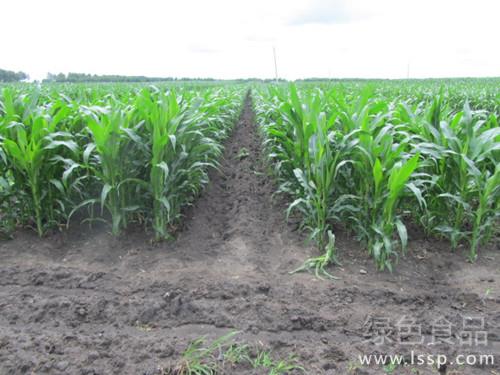
What are the main technical measures for corn cultivation with wide ridges, double rows, and plastic film mulching?
Main technical measures for corn cultivation with wide ridges, double rows, and plastic film mulching
条件筛选