-

Greenhouse Vegetable Planting Methods and Profit Analysis per Mu
Abstract Site selection: choose relatively flat field, renew the land, fertilize, weed, etc. Build a greenhouse: the span of the greenhouse type is between 8-12m, the length of the greenhouse is between 60-120m, use steel frames or bamboo on the upright posts, and cover with drip-free film. Varieties: currently the most commonly planted are cucumber
-
Nori (Pyropia yezoensis) seedling cultivation technology, nori planting technology
Abstract Light: light should be regulated in a timely manner, starting at 3000 lux, and later once conchocelis sporangial branches form, it should begin to be lowered, gradually reduced to about 500 lux. Temperature: after reaching 24°C, for Pyropia yezoensis from carpospore inoculation to seedling cultivation, early inoculation means high seedling density
-
How to Grow Bush Green Beans: What Season (Which Month) to Plant Bush Green Beans
Summary Seed selection: Because green beans have a relatively short growing period, it is best to choose excellent early-maturing, high-yielding varieties. Fertilizing: Apply decomposed organic fertilizer as the base fertilizer; if the soil is acidic, also add an appropriate amount of lime to the soil. Sowing: Choose New High-Fat Film seed dressing,
-
Green bean cultivation techniques, management methods and common disease control
Summary Season: both spring and autumn are suitable for planting; in spring it is best to choose between February and March, and in autumn it is best to choose between August and September. Sowing: divided into seedling raising and direct sowing; which method to use specifically needs to be decided according to the grower's own conditions. Weeding: during the growing period, timely
-
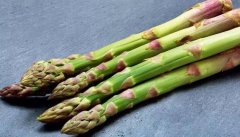
Detailed Guide to Asparagus Planting Techniques and Seasonal Timing
Summary Seeds: The asparagus seed coat is very thick, so the seeds must be soaked to promote germination and treated with chemicals before sowing. Sowing: Generally, the method of raising seedlings and then transplanting is chosen, as this gives a better emergence rate and better seedling quality, and can shorten the root-crown growing period in the field. Planting out: An
-
A Detailed Guide to White Ginseng Fungus Cultivation Techniques and Spawn Culture Methods
Abstract Season: cultivate every year in autumn and spring. Substrate: conventional bagging and sterilization, preferably using vertical cultivation techniques. Disinfection: strict aseptic operation throughout, and after sterilization is complete, cool to below 28°C before inoculation. Spawn running: adjust the indoor temperature well to ensure
-
White Fungus (Schizophyllum commune) Planting Time and Analysis of the Causes of Malformed Growth
Summary White fungus generally uses spring and autumn as the planting seasons; spring planting is generally chosen around April, while autumn is generally chosen around September. At present, artificial cultivation all adopts the building of houses and sheds for planting, as this makes it easier to control temperature, humidity, etc., and also facilitates management.
-
Detailed Explanation of High-Yield Cultivation and Planting Techniques for Bailing Mushroom
Abstract First, make the spawn, mix ingredients, fill jars, sterilize, and maintain aseptic procedures throughout the entire process. Then begin making the mushroom bags; cottonseed hulls, wheat bran, cornmeal, lime, and gypsum are mixed in a certain proportion, and then fermentation can begin. After fermentation is complete, it must be thoroughly sterilized.
-
Is the winged bean an annual plant? How long is its growth cycle?
What people often call "green gold" refers to the winged bean. The winged bean contains a variety of nutrients and rich vitamins, and its medicinal value is also great; its effects are higher than those of ordinary beans, making it an emerging health food. However, many friends probably still have little
-
When to plant maitake, and can it be cultivated with poplar?
Summary: Maitake can be planted in both summer and autumn. In fact, as long as the temperature is within 20-30°C, the maitake mycelium can grow. Wild maitake is mostly found at altitudes of 100-1400 m, growing in the high-temperature, rainy seasons of summer and autumn, on the shaded sides of broadleaf forests such as oak and chestnut trees where weeds grow
条件筛选