-

How to Grow Maitake Mushroom? A Summary of 6 Key Points of High-Yield Cultivation Techniques
Maitake mushroom, commonly known as dancing mushroom, is an edible and medicinal fungus that often grows wild around chestnut trees in summer and autumn. So how do you grow maitake mushroom? What are the growth environment requirements of maitake mushroom? Below, I will introduce the 6 key points of high-yield cultivation techniques for maitake mushroom.
-
When to plant maitake, and can it be cultivated with poplar?
Summary: Maitake can be planted in both summer and autumn. In fact, as long as the temperature is within 20-30°C, the maitake mycelium can grow. Wild maitake is mostly found at altitudes of 100-1400 m, growing in the high-temperature, rainy seasons of summer and autumn, on the shaded sides of broadleaf forests such as oak and chestnut trees where weeds grow
-
What is the yield per mu of maitake mushroom cultivation in jin? Prospect and benefit analysis
Abstract Maitake mushroom cultivation has very good prospects, because maitake mushrooms are highly nutritious and have a unique shape and flavor, making them very popular with consumers, and their selling price is also rising year by year. Therefore, if mature cultivation techniques are mastered, the prospects for maitake mushroom cultivation are very
-
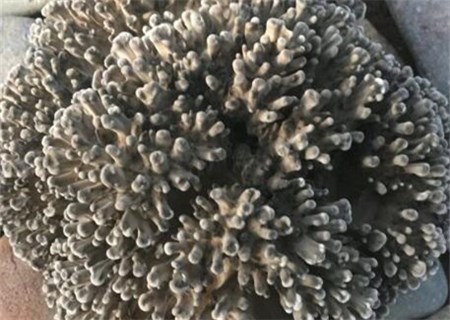
Cultivation Methods, Benefits and Effects, and Delicious Recipes for Grifola frondosa (Maitake)
Grifola frondosa is rich in amino acids, protein and various trace elements. It has a pine mushroom-like aroma, tender flesh, a flavor like shredded chicken, and a crispness like magnolia petals. So do you know what cultivation methods there are for Grifola frondosa? What benefits and effects does it have? How do you cook it deliciously? What cultivation methods are there for Grifola frondosa
-
Key Technical Points for Mimicking Wild, Pollution-Free Cultivation of Maitake (Grifola frondosa)
Crop straw and forestry by-products accumulate in enormous annual quantities, providing abundant raw materials for the production of edible fungi. How to produce pollution-free, safe, high-quality, pollution-free edible fungus products is an important issue facing the edible fungus industry. The following introduces pollution-free cultivation techniques for mimicking wild maitake (Grifola frondosa), based on the national pollution-free edible fungus production technical standards. Optimal selection of cultivation sites and raw materials: edible fungi have a strong ability to accumulate harmful heavy metals, so cultivation sites and raw materials for maitake must be carefully selected to minimize the accumulation of harmful substances brought about by the cultivation site and raw materials. ①
-
Key production technology points for winter greenhouse cultivation of maitake
Winter greenhouse production technology for maitake
条件筛选