-

What should be done if a cow retains the placenta after calving? Medication should be chosen according to the specific situation
Abstract There are many treatment methods for postpartum placental retention in cows. Common ones include intrauterine infusion with hydrogen peroxide or 5%-10% hypertonic saline, and subcutaneous or intramuscular injection of oxytocin, estradiol benzoate, etc. The main causes of postpartum placental retention in cows include placental infection and inflammation,
-
What happens if a sow eats the placenta?
When a sow is farrowing, the farrowing assistance work of the stockperson is only considered complete once all the placentas have been delivered. Sometimes, if they are not cleaned up in time, the sow may eat the placenta. What happens if a sow eats the placenta? 1. What happens if a sow eats the placenta A sow that eats the
-
What to Do If a Sow Retains the Placenta? A Detailed Guide to Scientific Handling
You may appropriately inject drugs such as diethylstilbestrol to dilate the sow's uterus, and inject an appropriate amount of oxytocin every half hour to promote the expulsion of the placenta. After about 3 injections, the placenta can be completely expelled. After the placenta is expelled, pay attention to injecting penicillin into the sow's birth canal to
-
What to Do When a Mare Retains the Placenta After Foaling? Detailed Explanation of Dystocia Prevention Methods
Donkey farming has been a fairly popular breeding project in recent years, and some farmers reduce their cost input by bringing in mares to produce foals. During the mare's delivery process, retained placenta very easily occurs, so what should be done? How can dystocia be prevented? 1.
-

What to Do If a Cow Has Retained Placenta? Detailed Explanation of Causes and Prevention and Treatment Methods
Causes and Prevention and Treatment Methods of Retained Placenta in Cows
-
Detailed explanation of how to make deer placenta paste, teaching you step by step
1. Boiling (referring to fresh deer placenta) First scald the fetus with boiling water, remove the fetal hair, wash clean with clear water and put it into a pot to boil. When the fetus's meat and bones separate and the water used to boil the fetus (called fetal slurry) has about 4 kg left (the remaining water differs depending on the size of the fetus), stop boiling. Take out the bones and meat, filter the fetal slurry with gauze, place the fetal slurry in a ventilated and cool place, and keep it at low temperature for later use. 2. Drying Put the removed bones and meat separately into a drying oven (internal temperature about 80°C) to dry (they can also be put into a pot
-
What to Do About Retained Placenta in Sheep? Key Points of Prevention and Treatment Explained
I. Prevention The main preventive method is to strengthen the feeding and management of pregnant sheep: feed formulation should follow the principle of not making pregnant sheep overweight; a proper amount of exercise must be ensured every day. II. Treatment Within 14 hours after birth, one may wait for it to shed on its own. If more than 14 hours have passed, appropriate measures must be taken, because by then the placenta has begun to rot, and if it remains in the uterus it can cause severe inflammation of the uterine mucosa, leading to temporary or permanent infertility, and sometimes even septicemia. Therefore, when more than 14 hours have passed, the following methods should be adopted as early as possible
-
Retained placenta in livestock can be treated by boiling Angelica sinensis in sweet rice wine
Retained placenta in livestock is a relatively common condition among obstetric diseases. Under the guidance of my father, the author has used Angelica sinensis boiled in sweet rice wine to treat retained placenta in livestock, with obvious results. "Angelica sinensis," which some farmers call "blood skin vegetable," has been used by the author since 1988 to treat 22 cases of retained placenta in yellow cattle and water buffalo, 1 case of retained placenta in a dairy cow in June last year, and 1 case of retained placenta after miscarriage in livestock (a pig) in May this year, all with practical results. This medicine is simple to use, economical, and convenient, and is hereby reported as follows for the reference of colleagues. 1 Drug processing
-
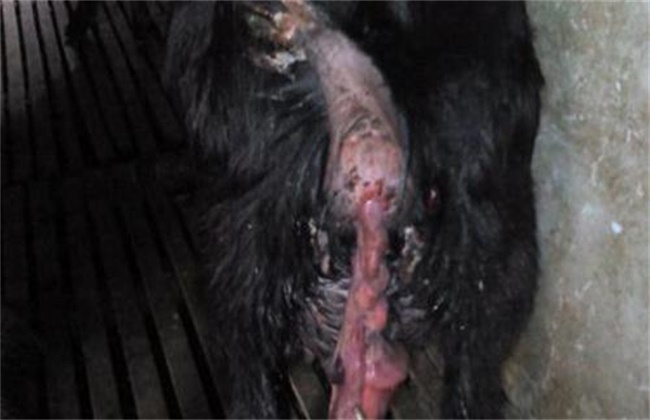
Analysis of the Causes and Prevention and Control Measures of Retained Placenta in Ewes After Lambing
Causes and Prevention and Control Measures of Retained Placenta in Ewes After Lambing
条件筛选