Analysis of the Causes and Prevention and Control Measures of Retained Placenta in Ewes After Lambing
Retained placenta is a common disease of female livestock after parturition. It occurs when the female animal cannot expel the fetal membranes in time after giving birth, causing the membranes to be retained in the body, which is why it is called retained placenta. Normally, ewes can expel the placenta within 4 hours after lambing. If it cannot be expelled for a long time, it can be judged as retained placenta. So what are the causes of retained placenta in ewes? How should it be prevented and treated? Let's take a look together.
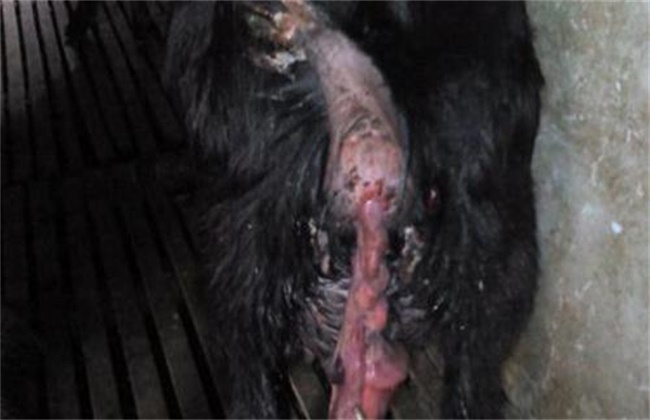
1. Clinical symptoms
According to the amount of retained placenta, it can be divided into partial retained placenta and complete retained placenta. If retained placenta occurs within 24 hours after lambing in ewes, it will have a relatively minor impact on them, affecting spirit, appetite and body temperature, and in very few cases bloating may occur. If the retention lasts more than 24 hours, the placenta will become putrid and will also produce lochia and inflammatory substances. When these substances are absorbed by the sheep's body, the ewe will show a hunched back or be unable to stand for a long time, and the vulva will also discharge red and brown lochia with a foul fishy odor. The ewe will show listlessness, loss of appetite and a significantly elevated body temperature.
2. Causes
Retained placenta in ewes is caused by several reasons. First, the ewe's own physical condition: factors such as advanced age, weak constitution, being too thin or too fat, or an overly large fetus can all cause retained placenta. When ewes have multiple fetuses, abortion or difficult labor, the uterine contractility is relatively low, which can also lead to retained placenta. Lack of exercise during pregnancy in ewes can also cause retained placenta. Second, nutritional reasons: the reproductive performance of ewes is closely related to nutrition to a large extent. If nutrition is lacking, it will first affect the body's reproductive function. During pregnancy in ewes, if they are fed feed lacking minerals, especially when calcium and phosphorus intake is insufficient, the uterus will have weak contractions during parturition, thereby causing retained placenta. In addition, a lack of vitamins can also lead to retained placenta. Third, disease reasons: if a pregnant ewe is infected with certain bacterial diseases, it will cause inflammation of the endometrium and fetal membranes, and in severe cases it will cause abortion. When the endometrium is inflamed, it will cause the placenta to fail to detach normally.
3. Prevention and control measures
You can use 500mL of 10% refined table salt solution, 0.5-1g of chlorhexidine, and 1-1.5g of trypsin, mix them evenly, and then inject the mixture through a rubber tube along the space between the placenta and the uterine wall mucosa. After 1-2 hours, inject 1-2mL of 0.1% neostigmine subcutaneously behind the ear of the affected sheep. Generally, it can be expelled after 1 hour. If it still has not been expelled, surgical treatment can be adopted. First, thoroughly disinfect the vulva of the affected sheep and its surroundings, and the operator should also disinfect properly. Inject 100mL of 10% physiological saline into the uterus, then insert the hand deep into the uterus to peel off the placenta, while twisting and slowly pulling outward to raise the position of the uterine horn, and finally pull out the entire peeled placenta. After surgery, care should be strengthened to avoid secondary infection.
The above is an introduction to the causes and prevention and control measures of retained placenta in ewes. We hope it can help you. To learn more related knowledge, please stay tuned to us.