-

How to rescue a pine and cypress bonsai with yellowing, withered leaves? The right care method is key
Pine and cypress bonsai, with their rugged, ancient posture and evergreen charm through all four seasons, are deeply loved by bonsai enthusiasts. However, when you see the leaves of a pine and cypress bonsai turning yellow and withering, it is inevitably heartbreaking. Don't panic, let us learn together how to rescue a yellowing, withered pine and cypress bonsai, and its correct care methods. Pine and cypress bon
-

A Detailed Guide to the Latest Methods for Making Cliff Cypress Bonsai
Pine and cypress bonsai, rugged and ancient-looking, cold- and heat-tolerant, not choosy about soil for cultivation, are long-lived tree species and much loved by people. But old pine and cypress stumps are relatively difficult to dig up, plant and keep alive, because their sap is in a waxy resinous state, and their bark is fragile and easily damaged; once wounded, the resin seals the cut and hardens
-
How should pine and cypress be cared for in winter to survive the cold safely?
Pine and cypress, together with bamboo and plum, are known as the "Three Friends of Winter." They are widely distributed in southern North China and the East China region, and are also commonly used as ornamental garden trees. So, how do pine and cypress overwinter? 1. How do pine and cypress overwinter? Pine and cypress overwinter by adjusting the color of their leaves. Although their leaves are still green in winter, the color is much poorer than in spring, summer, and autumn. This is because winter temperatures are low, the production of chlorophyll in the leaves is restricted, while anthocyanins increase relatively, so the leaves take on a somewhat reddish hue. The color change can weaken photosynthesis in the leaves, slowing the tree's physiological activity and thereby ensuring that pine and cypress survive the winter safely.
-
-
-
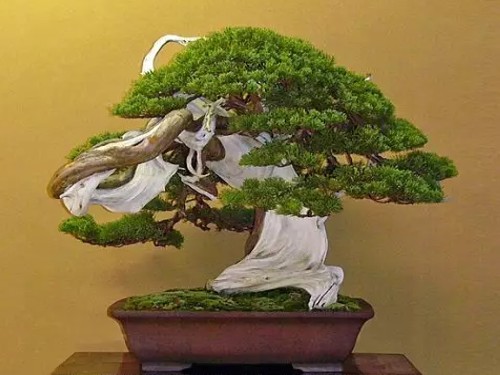
What are the techniques for making pine and cypress bonsai?
Shandong is one of the birthplaces of ancient Chinese culture. On Mount Tai, the first of the Five Great Mountains, there are ancient pines of every conceivable form at Duisongshan and Houshiwu; in the ancient temple of Zhongjunzhang on Mount Culai there are ancient pines several hundred years old; at the Dai Temple in Tai'an there are Han-dynasty cypresses known as "ancient cypresses braving the cold"; and at Lingyan Temple and the Confucius Forest in Qufu there are even more ancient cypresses with old trunks and gnarled branches that have weathered countless vicissitudes
-
A Detailed Guide to Making and Caring for Pine and Cypress Bonsai
Pine and Cypress Bonsai: Making Tutorial and Care Methods
-
A Detailed Guide to the Making and Management of Pine and Cypress Bonsai
Based on the characteristics of the cultural landscape and combined with the thick and dwarfed features of Shandong mountain pines and cypresses, the old trunks and thick branches are thinned and pruned to lower the trunk and reduce the crown; then the method of coarse wiring and fine trimming is adopted, guiding the tree according to its natural tendency, so that the crown follows its natural form and the layers interlock and alternate. Within each large layer there are also small variations, giving both a sense of overall unity and an uncluttered appearance, preserving the wonder of natural formation; and by making full use of dwarfed wild stump resources, black pine stumps are used with grafting methods such as *grafting, high-branch side grafting, and bud grafting to change the crown into five-needle pine. Making use of the abundant Chinese arborvitae
-
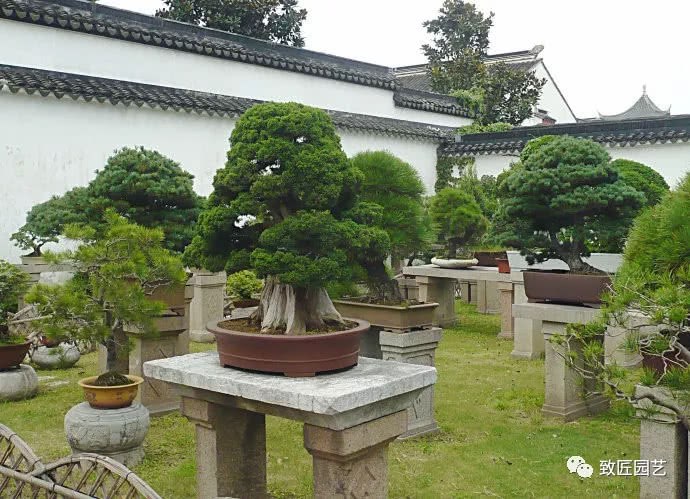
In the Humble Administrator's Garden in Suzhou, the verdant pines and cypresses create a world of their own
Featured Content Enjoyed this article? Share it right away so more people can see it! This site is full of rich and profound content...
-
A Complete Analysis of the Production Methods and Maintenance Management Key Points of Pine and Cypress Bonsai
When using the wire binding and shaping method in the production of cypress bonsai, select wire of a corresponding thickness according to the thickness of the branches, and wrap, twist, and hang-tie branches in improper angular positions to meet the needs of shaping. Before shaping, repeatedly examine the tree's vigor, and guide it according to the curves of the trunk and the positions of the main branches; the concept must come first.
条件筛选