-

Why is bone meal a high-quality phosphorus fertilizer? Apply it this way for good results
Why do we say bone meal is a good phosphorus fertilizer? How should it be used for good results? Bone meal is made by processing and grinding animal bones, and its main component is tricalcium phosphate, accounting for about 58%-62% of bone meal. In addition, it also contains 4%-5% nitrogen and fats. To improve the application
-
Improving the Effect of Phosphorus Application on Newly Reclaimed Red Soil Fields and the Feasibility of High-Rate Phosphorus Application on Phosphorus-Deficient Soils
Newly reclaimed red soil fields have a low total phosphorus content (generally below 0.4 g/kg) and high iron and aluminum contents. The phosphorus in the soil exists mainly as iron and aluminum phosphate compounds, which are not easily absorbed and utilized by crops. Therefore, when planting crops and economic forest trees in newly reclaimed red soil fields, emphasis should be placed on increasing phosphorus application.
-
What Kind of Fertilizer Is NPK Fertilizer? Understanding Fertilizer Knowledge in One Article
During the growth process of plants, nitrogen, phosphorus and potassium play a crucial role. So, what kind of fertilizer is NPK fertilizer? What are its effects? 1. What kind of fertilizer is NPK fertilizer? NPK fertilizer is a fertilizer that supplements plants with the three elements nitrogen, phosphorus and potassium, and is made from
-
How to Formulate Base Fertilizer for Cotton? A Detailed Guide to Scientific Ratio Methods
The ratio of base fertilizer (nitrogen, phosphorus and potassium fertilizers) for cotton is generally 1 : 0.3 : 1. According to measurements, a yield of 100 kg of cotton per mu requires the absorption of 12 kg of nitrogen, 4 kg of phosphorus pentoxide and 12 kg of potassium oxide, and the fertilizer requirement is 5-6 times that of cereal crops. In addition, an appropriate amount of compost,
-
What is the NPK ratio for rice basal fertilizer?
The ratio of nitrogen, phosphorus and potassium in rice basal fertilizer is 2:1:1.2. Of course, soil fertility varies from region to region, so the amounts of phosphorus, nitrogen and potassium fertilizer should still be determined according to the phosphorus, potassium and nitrogen content in the local soil. In addition, when fertilizing rice, pay attention to the method and the amount
-
What Are Phosphorus-Potassium Fertilizers? A Complete Guide
People often talk about phosphorus-potassium fertilizer, so what exactly are phosphorus-potassium fertilizers? Have you ever thought about this question? Today let's find the answer together! 1. What are phosphorus-potassium fertilizers Phosphorus-potassium fertilizers refer to fertilizers with relatively high phosphorus and potassium content. For different plants or veget
-
How to grow the bird of paradise? It loves light and moisture; apply phosphorus fertilizer in moderation during the flowering period
Summary Soil: Choose fertile, loose soil with good drainage. Mix rotten leaves and peat soil with 1/3 river sand to make a growing medium, put it into a pot, and then sowing can begin. Watering: Ensure sufficient water during the growing period, but do not water too much; water less or not at all in winter.
-
How to grow baby's breath (Gypsophila) and points to note: apply nitrogen fertilizer early and phosphorus fertilizer later
Summary Temperature: Baby's breath (Gypsophila) is shade-tolerant and cold-tolerant, and prefers a warm, humid environment; the ideal daytime temperature is around 10-25°C. Light: Light directly affects the number of flowers. Soil: Choose fertile humus soil with good air permeability and water permeability. Water: Follow the principle of not watering until dry, and watering thoroughly when you do.
-
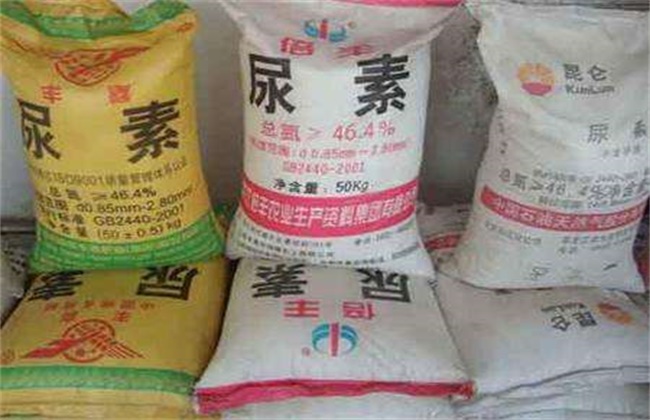
What are the harms of applying too much of the common nitrogen, phosphorus, and potassium fertilizers?
The harms of applying too much of the common nitrogen, phosphorus, and potassium fertilizers
-
条件筛选