-

Detailed Explanation of the Causes of Chicken Pecking at the Trough and the Control Methods
I. Causes 1. Excessive stocking density. When the stocking density is too high and there are not enough water troughs and feed troughs, the flock competes for water and feed, causing some chickens to suffer nutritional deficiencies in their bodies, making them prone to pecking vice. 2. Improper regulation of the chicken house environment. If the air inside the chicken house is foul and harmful gases exceed the standard, the flock will become restless and irritable and develop pecking vice; uneven temperature, with sudden cold and heat, will cause great stress to the flock and lead to pecking vice. 3. Unreasonable dietary nutrition. If the animal protein content in the diet is insufficient, or the amino acids are imbalanced, the flock cannot effectively
-
What are the prevention and control methods for feather-pecking vice in layer roosters?
Layer roosters are generally raised for about 3 months before being sent to market, mostly kept on the floor, and feather-pecking and flesh-pecking are serious problems that often cause certain economic losses. The following methods can be used for prevention and control. 1. Beak trimming is carried out at around 9 days of age; two days before beak trimming, start adding vitamin K3, electrolytic multivitamins and antibiotics. 2. Adjust the feed formula: reduce the amount of plant-based protein feed, increase the proportion of animal-based protein feed such as fish meal and meat-and-bone meal, appropriately increase the proportion of high-fiber feed such as wheat bran, and add vitamins and mineral
-
Causes and prevention methods of feather-pecking vice in chickens
Feather-pecking vice is caused by the deficiency of certain nutrients, metabolic disorders, abnormal taste, or improper feeding and management. Sick chickens peck feathers, peck the cloaca, peck toes, and peck eggs, which not only causes restlessness in the whole flock and affects the growth rate, but also lowers the grade of commercial broilers, increases egg losses and chicken mortality, and causes great economic losses to the production and operation of the chicken industry. 1 Cause analysis 1.1 Feeding and management aspects: excessive stocking density, restricted activity space for chickens; too high temperature in the chicken house, hot weather
-
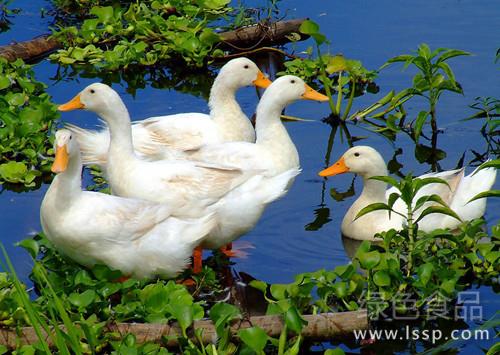
Key points for improving meat duck quality in cold winter: keep warm, prevent disease, increase light, prevent feather pecking
Keep warm, prevent disease, increase light, prevent feather pecking: key points for improving meat duck quality in cold winter
-
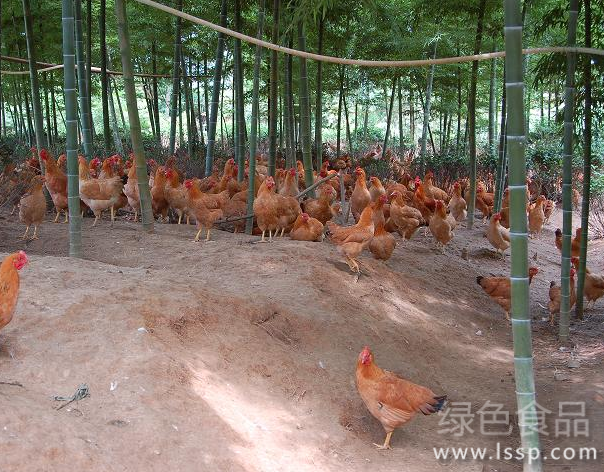
Layer hens' feather-pecking vice affects feed intake and egg production; how should it be prevented and controlled?
Feather-pecking vice affects layer hens' feed intake and egg production; how to prevent and control feather-pecking vice in layer hens
-

What causes feather pecking in pigeons? Detailed explanation of prevention and control methods
Causes of feather pecking in pigeons and prevention and control methods
-

What causes feather pecking in meat ducks? Cause analysis and prevention measures
Causes of feather pecking in meat ducks and prevention measures
-
How to prevent and control chicken feather-pecking vice? Strengthening feeding management is key
Strengthen feeding management to prevent and control chicken feather-pecking vice
-
What Is Chicken Beak Trimming? A Detailed Guide to Preventing and Treating Feather Pecking and Cannibalism in Chickens
Beak Trimming and Proper Diet Formulation to Prevent and Treat Feather Pecking and Cannibalism in Chickens
-
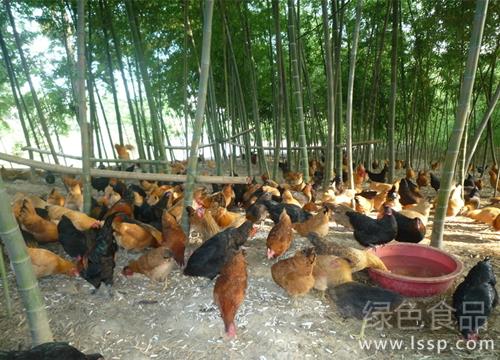
Laying Hens Imitate Vent Pecking and Become Addicted: Detailed Explanation of Causes and Prevention Methods
Laying Hens Imitate Vent Pecking and Become Addicted: Causes of Vent Pecking in Laying Hens and Prevention Methods
条件筛选