Laying Hens Imitate Vent Pecking and Become Addicted: Detailed Explanation of Causes and Prevention Methods
Vent pecking is one of the common vices in laying hens. Once vent pecking occurs in a flock, the birds imitate each other, and it easily spreads through the whole flock, causing heavy losses. Vent pecking is addictive and extremely difficult to cure, so prevention should be the priority. During the rearing process, good laying hen management should be carried out to eliminate the occurrence of vent pecking.
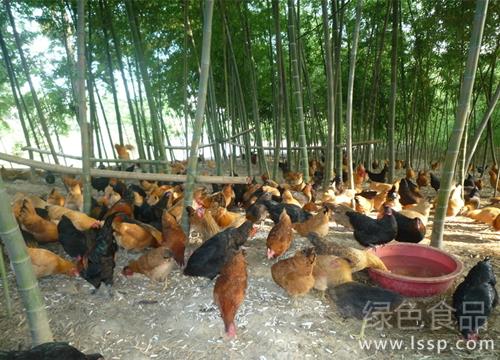
Laying hens
I. Causes of vent pecking:
(1) No beak trimming or only light beak trimming, and no timely re-trimming. (2) Long-term use of low-grade feed leading to nutritional imbalance or deficiency in laying hens. (3) Unreasonable lighting with too high intensity, which induces the behavior. (4) Simple hen houses allow direct natural light into the house, inducing vent pecking. In areas where hens are raised in asbestos tile sheds or on the upper floors of buildings in semi-open housing, vent pecking in laying hens varies with the seasons. In spring, natural light intensity is high and the photoperiod is long; if sunlight shines directly into the hen house, it induces vent pecking. In late autumn and early winter, sunlight still shining directly into the hen house also easily triggers vent pecking. (5) Heat stress: simple hen houses built with asbestos tiles have poor insulation; in summer, with the blazing sun, high temperatures inside the house trigger vent pecking. (6) Water cut-off or insufficient water supply in summer. (7) Various causes trigger oviduct inflammation and swelling of the birth canal, leading to dystocia, which makes the laying hen's cloaca remain everted for too long; when other laying hens see the highly congested cloaca, they peck at it.
II. Preventive measures for vent pecking
(1) Trim beaks promptly and properly: first trimming at 6-9 days of age, trim again at 70 days of age, and before the hens are moved into cages and before the start of laying, if individual hens have overlong beaks, trim them again as needed. (2) Choose laying hen feed produced by feed mills with high reputation and advanced testing equipment. (3) Establish a scientific and reasonable lighting system. (4) According to the degree of openness of the hen house, pay attention to the influence of natural light and deal with it promptly. For open-sided hen houses and hen houses on upper floors, white woven bags with good light reflection can be hung at the cages on the open side so that strong light cannot shine directly into the hen house. (5) For hen houses with asbestos tile roofs, straw or wheat bran can be placed on the roof for insulation. When the temperature inside the house is too high, besides ventilation, cool water can be sprayed inside the hen house, and at the same time laying hens can be given heat-relief medicine to reduce heat stress. (6) In hot seasons, ensure a long-term water supply without interruption. (7) Prevent and treat diseases promptly to reduce oviduct inflammation.
III. Treatment measures:
(1) Observe the flock regularly and promptly pick out the laying hens that peck vents and those that are pecked. For the picked-out pecked laying hens, cull the severe cases; for the mild cases, apply iodine tincture to the anus, preferably gentian violet, and orally administer oxytetracycline tablets at the same time. For the laying hens that peck vents, feed them separately; if their beaks are long, force-trim the beaks. (2) For the hens in the same cage and the cages on both sides of the pecked laying hen, as soon as possible apply purple or black color to the featherless area around their anus so that the hens are unwilling to peck the vent. (3) Use medication. Add 2-3% gypsum to the laying hen feed and use it continuously for 14 days. Alternatively, increase the salt content of the feed by 1-2% and use it continuously for 2 days, but sufficient drinking water must be provided to prevent salt poisoning in laying hens.