-

The Pathogenesis and Control Methods of Water Chestnut Stem Blight
Water chestnut, also known as Chinese water chestnut, water chestnut, shao, fuci, wuyu, puji, dili, belongs to the monocotyledonous Cyperaceae family, is a perennial root herbaceous plant, oblate, pointed at the top, smooth and glossy surface, purplish-red or dark brown, grows in ponds and marshes, with dark green
-
The Pathogenesis and Control Methods of Lettuce Soft Rot
Lettuce is the common name for leaf lettuce, belonging to the genus Lactuca in the Asteraceae family. It is an annual or biennial herbaceous crop, and is also a popular vegetable in European and American countries, deeply loved by people. In recent years, the cultivation area has expanded rapidly, and lettuce has also moved from hotels and restaurants onto the dining tables of ordinary people.
-
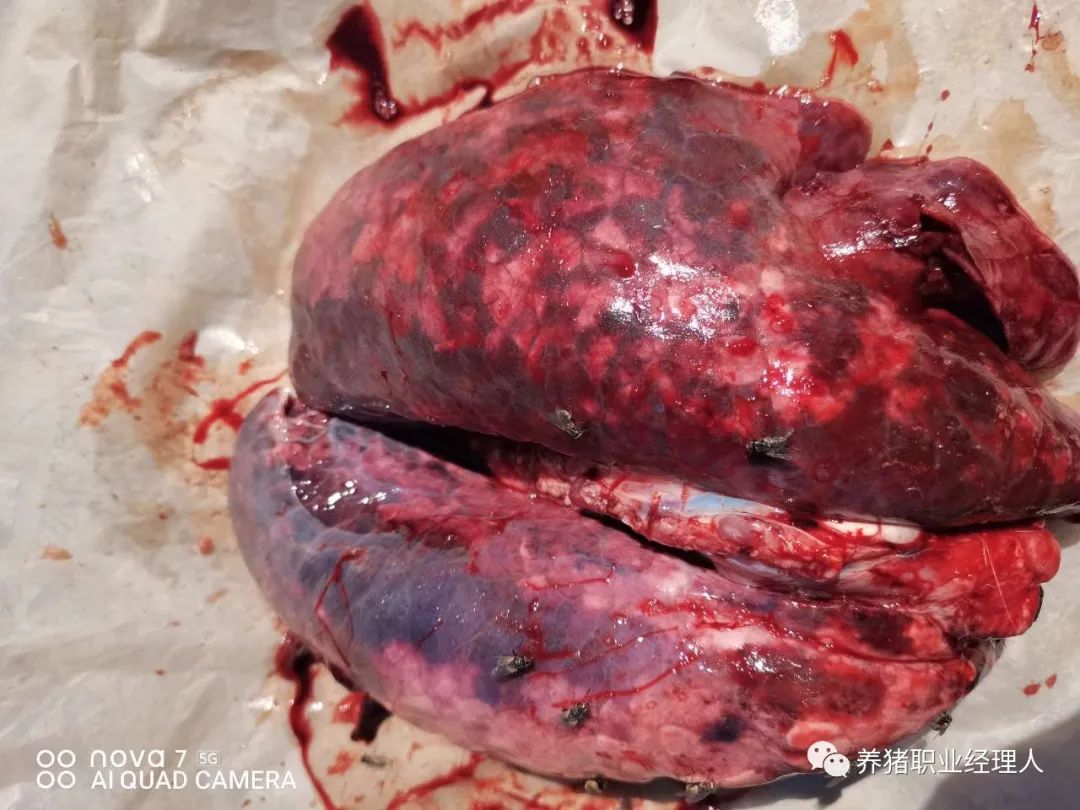
What role do respiratory tract pathogenic microorganisms on pig farms play? (Part 2)
Analysis of the roles of respiratory tract pathogenic microorganisms on pig farms (Part 2)
-
Role Analysis of Respiratory Pathogenic Microorganisms in Pig Farms (Part 1)
Role Analysis of Respiratory Pathogenic Microorganisms in Pig Farms (Part 1)
-
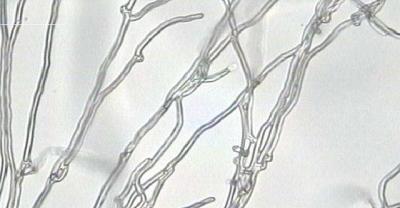
Identification and Control Methods for Non-pathogenic Diseases of Edible Fungi
II. Non-pathogenic diseases. Unsuitable living conditions, improper cultivation management measures, or genetic variation can all cause growth and development disorders and physiological disorders in edible fungi...
-
The Pathogenesis and Control Methods of Peach Tree Gummosis
Peach tree gummosis is a disease commonly occurring on peach trees today, and its incidence is severe. Especially in peach orchards with extensive management and weakened tree vigor, the rate of affected plants can reach over 90%. This disease severely weakens tree vigor, affects yield and quality, and in severe cases leads to dead branches and dead trees, threatening the production and development of peach trees. It is also one of the most troublesome diseases for fruit growers. I. Causes of peach gummosis. There are two causes of peach gummosis: one is non-infectious pathogens, such as gummosis caused by wounds from mechanical injury, pest and disease damage, frost damage, freeze injury, etc., or gummosis caused by physiological disorders of the tree body resulting from extensive management
-
What pathogenic effects does feed contamination have on fish?
Because some feed products currently contain bacteria at levels far exceeding the standard, mass fish deaths occur from time to time after fish eat contaminated feed. Based on the disease symptoms in fish, it can be roughly divided into two types: acute type (explosive) and chronic type. 1. Acute type (explosive type): After fish eat contaminated feed, disease onset occurs in as much as 3 to 5 days, or as little as 1 to 2 days, with symptoms appearing; severely affected fish have already died, and the number of dead fish shows a gradually increasing trend, but feeding is not affected, and most fish can eat normally. This kind of
-
Detailed Explanation of the Pathogenic Characteristics of Duck Aflatoxin
(1) Production of aflatoxin Aflatoxin, like other mycotoxins, is one of the metabolic products produced by toxigenic fungi during their growth and reproduction in a substrate. This toxin was discovered in 1960 during the investigation of the cause of "Turkey X disease" that affected 100,000 turkeys in the United Kingdom. The following year, it was further found that peanut meal contaminated with Aspergillus flavus could induce liver cancer in rats, confirming that aflatoxin is a carcinogenic mycotoxin. The main fungi producing aflatoxin are specific strains of Aspergillus flavus and Aspergillus parasiticus, while Aspergillus wentii and
-
Detailed Explanation of the Pathogen and Epidemiological Characteristics of Swine Vesicular Disease
This disease is an acute infectious disease caused by the swine vesicular disease virus. Usually, only pigs can be naturally infected by this disease, while other animals such as cattle and sheep are not easily infected, so it can be distinguished from foot-and-mouth disease. The disease is characterized by vesicles on the skin of hairless parts of the pig's body and on the oral mucosa. Vesicles and erosions also occur on the skin of the coronary band, interdigital space, and heel, and around the teats of sows. This disease is widely distributed and spreads rapidly. It was first discovered in Italy in 1966. By the 1970s, after successively becoming epidemic in the United States, Austria, Hungary, and other Eastern and Western European countries, it also occurred in Japan
-
What Is Avian Nephropathogenic Infectious Bronchitis?
Nephropathogenic infectious bronchitis is a pathological manifestation of avian infectious bronchitis caused by coronavirus. In recent years, especially since last winter and this spring, the incidence of nephropathogenic IB in Shandong Province, China, particularly in the Qingdao area, has risen significantly, causing considerable economic losses to the poultry industry, especially the broiler industry, and thus attracting widespread attention. Nephropathogenic IB is not an independent disease caused by an independent virus; it is a special phenotype of IB virus strains in the urinary organs of chickens; or rather, it is a
条件筛选