-

Strong calls for expanding agricultural insurance, farmers hope for more comprehensive protection
Patches of sugarcane lay fallen on the ground, their leaves torn. At 4 pm on August 29, an unexpected gale mixed with thunderstorms and hail battered Ye Xuelin's sugarcane in Yunxi Village, Yunxi Township, Qujiang District, knocking it down askew. That wind blew wildly for a full hour, with thunder and
-
Why is wheat turning yellow in patches, and can it recover?
Abstract: The reasons wheat turns yellow in patches are: soil drought, shallow plough layer under straw return to the field, soil nutrient deficiency, relatively high sowing density, sowing too deep, herbicide phytotoxicity, damage from prolonged low-temperature freezing, and the occurrence of pests and diseases. Wheat yellowing is a common
-
What disease causes round patches on apple fruits? How does it occur and what medicine should be used?
Apple fruit mottling disease is a common disease during the growth period of apple trees. Before coloring, the diseased fruit shows no obvious difference from healthy fruit. Only after the bagged fruit colors does the fruit surface become scattered with many nearly round yellow-white or red patches, appearing mottled, which seriously affects the apple's
-

These 4 succulents grow into whole patches on rooftops, so why spend money buying them?
— Green Wild Fragrance — We became obsessed with succulents because of how cute they are, jumped into the hobby without a second thought, thinking we too could grow them into beautiful condition, but the reality is a real slap in the face. Never mind the color, sometimes they do not even have any condition to speak of...
-
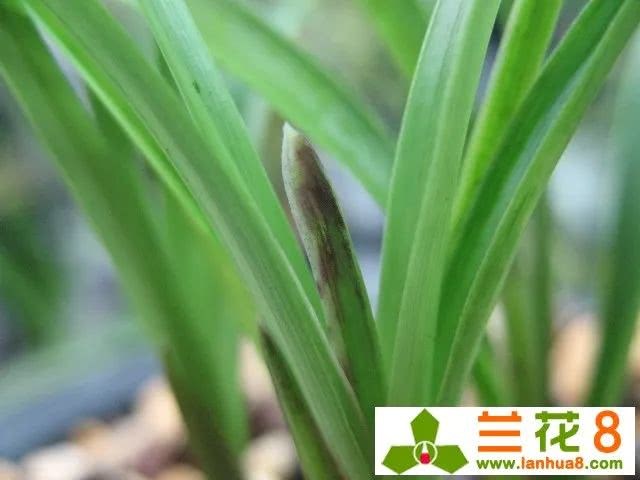
Detailed Explanation of Orchid Leaf Butterfly, Color Patches and Crystal Art Characteristics
Promoting Chinese orchid culture and spreading orchid knowledge. Butterfly grass, also called butterfly leaf or leaf butterfly, is a variation on orchid leaves, mostly occurring on the central leaves of the orchid plant, followed by the third and fourth leaves near the center; the phenomenon of the whole plant undergoing butterfly transformation is extremely rare. In orchid...
-
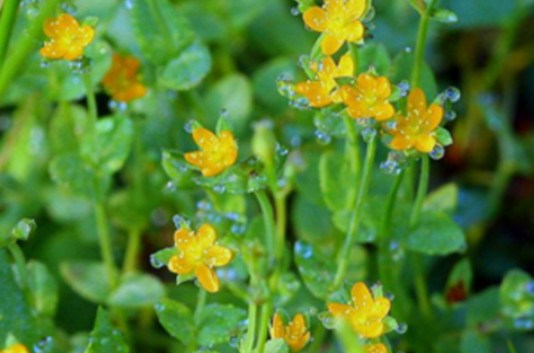
The little wildflowers that used to grow in patches along the roadside have now become a rare sight. Do you know them?
Tianjihuang is a plant of the Clusiaceae family, Hypericum japonicum, and it has many aliases: Di'ercao, Banjiuwo, Queshecao, Qicunjin, and so on. It grows at altitudes of 20 to 1000 m, mostly in dry wasteland, riverside mudflats, and sunny spots by the water...
-
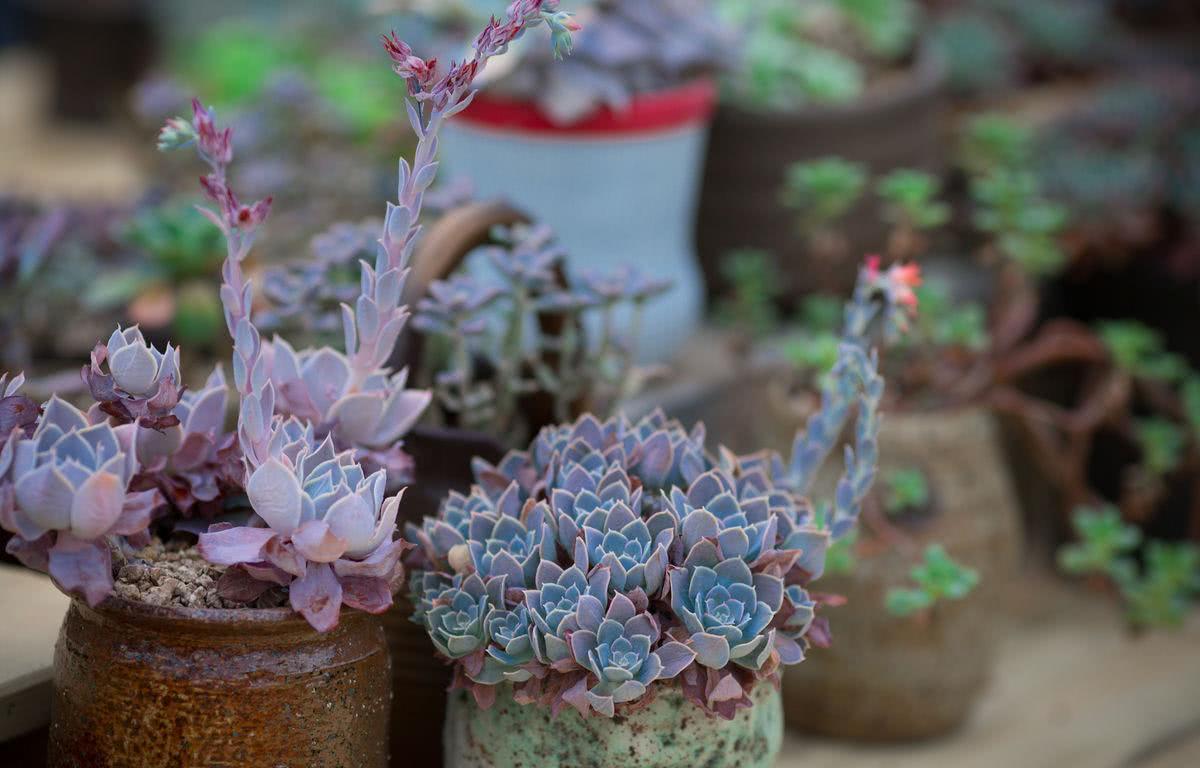
Succulents turning to mush and black rot: easily solved with a few expired ointment patches, growing vigorously
Since succulents were introduced from abroad, their adorably cute appearance has won the hearts of many flower lovers. But growing succulents in summer is rather difficult, because they often get black rot without any warning, which really catches people off guar...
-
Yellow-brown patches on Cymbidium sinense leaves and withered leaf tips: disease or unsuitable soil and water?
The leaves of Cymbidium sinense have irregular yellow-brown patches and the leaf tips are withered and dry. Is it disease or failure to adapt to the soil and water?
-
Analysis of the Relationship Between Rusty Patches on Pear Fruit Surfaces and Pesticide Use
Irregular rust-colored patches often appear on pear fruit surfaces, affecting the appearance quality of the fruit. Fruit surface rust is generally called fruit russeting, which is formed by the gradual thickening and suberization of cell walls, with epidermal cells and the cuticle rupturing and exposing the surface, forming brown rust-colored patches. Another type of rusty patch is actually "pesticide russeting," caused by improper pesticide use or excessive pressure when spraying pesticides. There is also a type called "water russeting," mainly caused by poor environmental conditions, damp and rainy weather, insufficient light, and mold parasitizing the fruit surface. The occurrence of fruit russeting is related to many factors in cultivation. Such as variety, strain differences
-
Which diseases cause high fever in pigs without purple patches on the skin?
1. Japanese encephalitis: The body temperature of affected pigs is 40-41°C, with teeth grinding, circling, visual impairment, and blind charging. Sows abort, and boars develop orchitis, which gradually atrophies and hardens, causing loss of breeding ability. For treatment and drug prevention, antiviral preparations such as amantadine and ribavirin combined with interferon, along with traditional Chinese medicine preparations for clearing heat and detoxifying, and antipyretic-analgesic preparations, should be used together, which has a certain therapeutic effect. 2. Pseudorabies: It mostly occurs in piglets aged 1-4 weeks, and piglets over 60 days of age show mild symptoms. Body temperature is 41-42°C. In the early stage of the disease, the pigs are restless and excitable
条件筛选