Succulents turning to mush and black rot: easily solved with a few expired ointment patches, growing vigorously
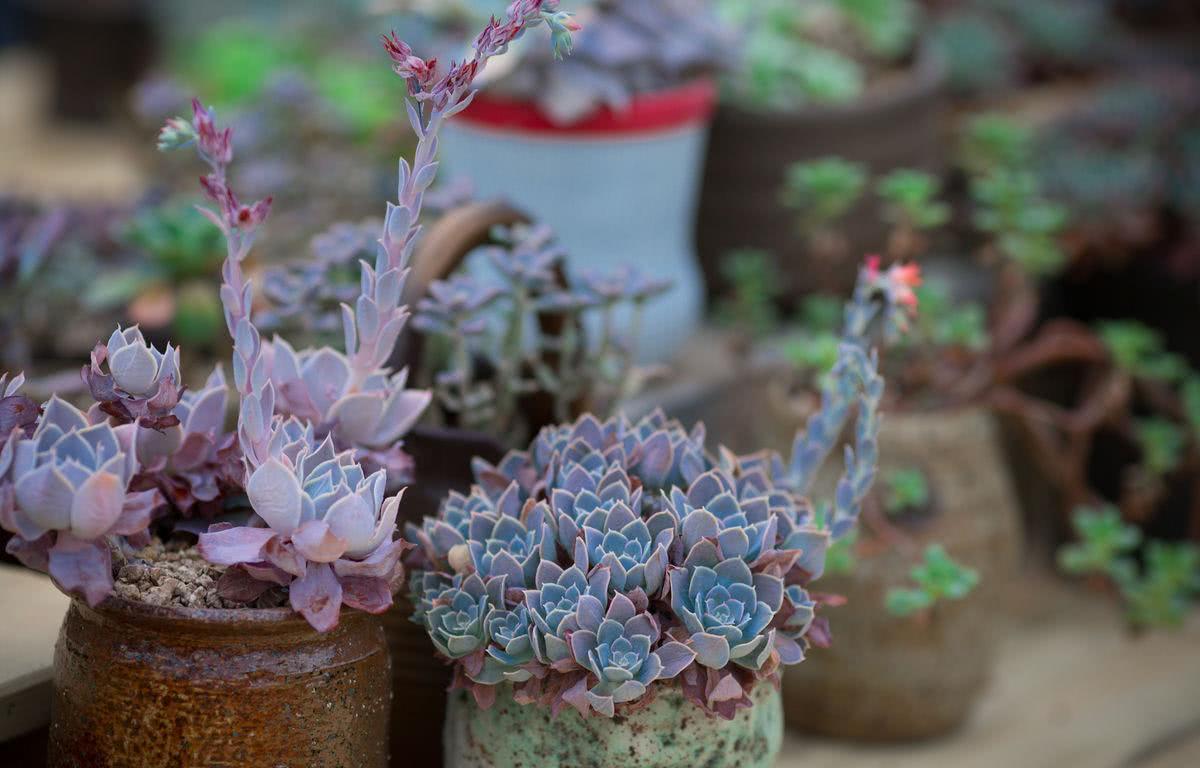
Since succulents were introduced from abroad, their adorably cute appearance has won the hearts of many flower lovers. But growing succulents in summer is rather difficult, because they often get black rot without any warning, which really catches people off guard. In fact, succulent black rot only needs a commonly used small ointment from home, and expired ointment works just as well. Below is a detailed introduction for everyone.
Daktarin
When succulent roots rot and need repotting, or when succulent leaves develop black rot, we can use Daktarin to inhibit bacterial infection and let the succulent grow better.
When succulent roots are rotting, we first prune off the already rotten roots, then apply a layer of Daktarin to the wounds on the roots. After the wounds dry, repot them, and this can prevent the roots from rotting again. When the succulent leaves have already turned black, immediately prune off the leaves, then apply a layer of Daktarin to the wounds, and this can effectively inhibit black rot and prevent it from spreading.
Erythromycin ointment
If a succulent's black rot is relatively severe, then the succulent must be beheaded, but summer temperatures are higher, and if it is not handled well, the succulent will rot, so we can use erythromycin ointment to prevent the wounds from rotting.
First behead the succulent, then take the cut-off part and behead it, then apply Daktarin to the wounds, which can disinfect them. You can wrap the wounds with plastic wrap, which lets the wounds heal faster and lets the baby succulent grow quickly.