-
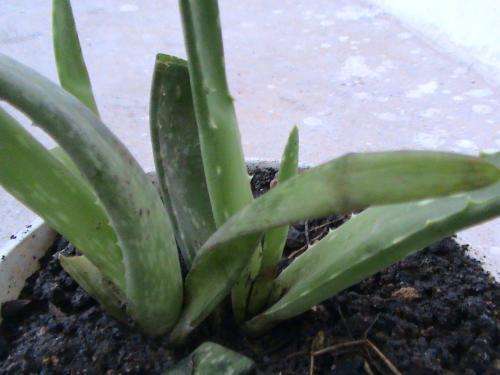
Don't panic if your aloe leaves go soft - watering less is better than anything
Friends who love skincare must be familiar with the beauty benefits of aloe, right? That's right, aloe has anti-inflammatory and beauty effects. But friends who love growing plants are certainly no strangers to aloe either. Aloe is not only lovely to look at, but also purifies the air...
-
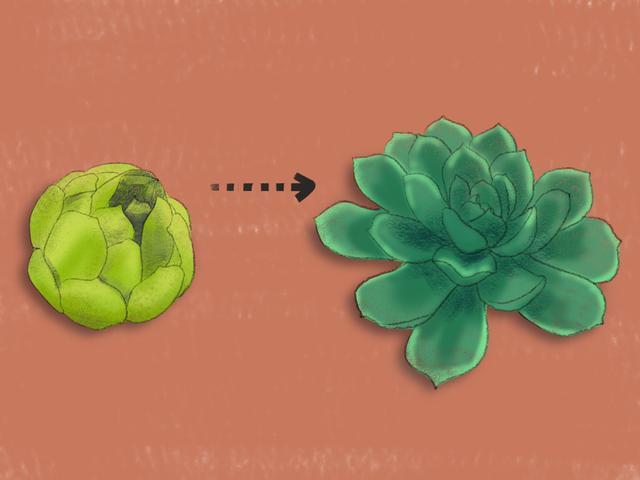
Don't Panic If Your Succulent Is Spreading Out Like a Flatbread - Use These Methods to Make It Beautiful Again
In the succulent world, what is called "spreading out like a flatbread" actually refers to the way a succulent's leaves, which originally grew in a closed, compact form, grow more and more open as the plant develops, taking on a spread-out appearance and losing their original shape. When a succulent is newly bought and gradually opens up from its closed form, this actually doesn't count...
-

Detailed Explanation of the Planting Methods and Cultivation Techniques for Symplocos paniculata (with pictures)
The Symplocos paniculata tree, also known as grey wood, seed-broken tree, Wuyu, Zimu, fence firewood, etc., is a deciduous shrub or small tree of the genus Symplocos in the family Symplocaceae. It is widely distributed in northeastern China and areas south of the Yellow River, and is especially common in the provinces south of the Yangtze River basin. It has the advantages of tolerance to drought and barren soil, a well-developed root system, strong sprouting ability, and easy propagation.
-
Are Heartleaf Ice Plant and Andrographis paniculata the same plant? What is the difference between the two
The relationship between Heartleaf Ice Plant and Andrographis paniculata is not complicated. The reason some flower lovers cannot tell them apart is entirely due to confusion caused by common names, because in many places Heartleaf Ice Plant is called Andrographis paniculata, so flower lovers get very confused. This article simply lists the relationship between Heartleaf Ice Plant and Andrographis paniculata. Must-read first
-
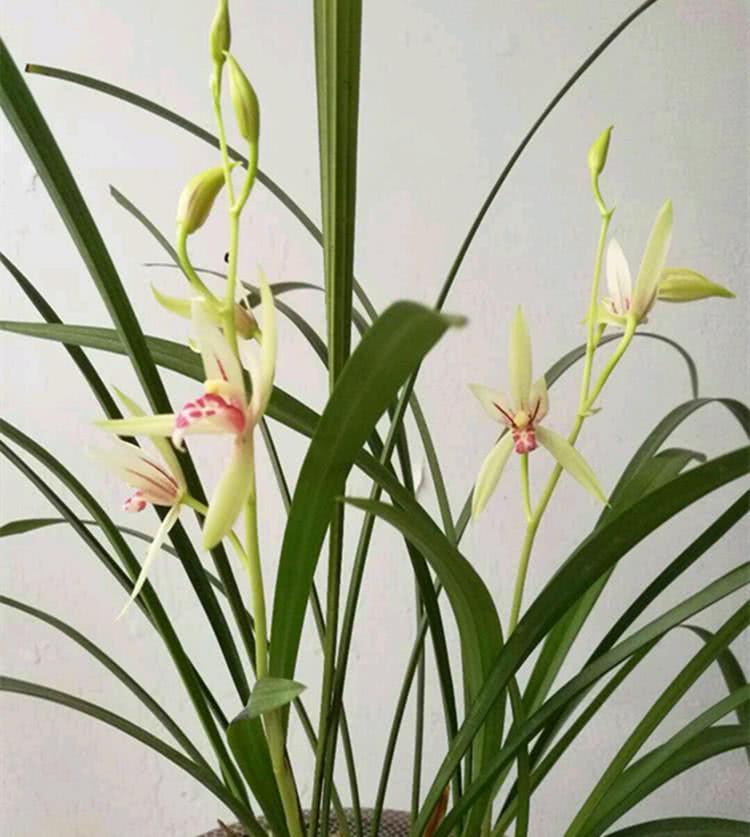
What should you do when orchid leaf tips turn yellow? Learn these 4 tips and you won't panic
To catch the eye, people say "clothes make the man, and the saddle makes the horse," so what do flowers rely on? Relying on brilliantly blooming flowers is a given, but flowers without green leaves to set them off are like a horse that has lost its "saddle" - ultimately much less impressive. The most...
-

Key Field Management Techniques for Rice During the Jointing and Panicle Development Stage
Field Management Techniques for Rice During the Jointing and Panicle Development Stage
-

How to grow Andrographis paniculata seeds? Detailed explanation of sowing and seedling raising methods
How to grow Andrographis paniculata seeds?
-
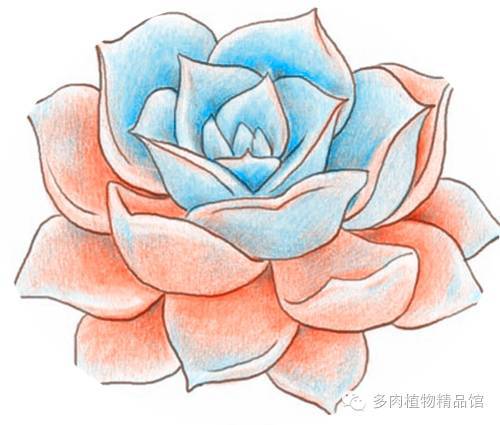
Don't Panic If You Overwater Your Succulents - Here's How to Save Them Properly
Text and images by: Curator. For succulents, water is an essential factor for survival. We often see articles online saying that you should never overwater no matter what, that you can water more in summer, water as little as possible in winter, and beyond that, they mention the serious consequences of overwatering. That's certainly true, but what if we actually do overwater them? They only give warnings without offering solutions. I think that's not complete enough, so today I'll use reverse thinking to teach everyone how to rescue overwatered succulents.
-
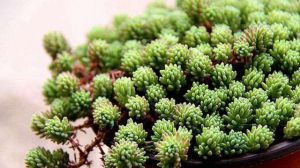
What is the difference between Sedum hispanicum and Sedum multiceps?
Shape: Sedum hispanicum is nearly oblong, while Sedum multiceps is spherical. Stem: the stem of Sedum hispanicum grows creeping, while that of Sedum multiceps is only revealed after the leaves that fall on the branches dry up. Leaves: the leaves of Sedum hispanicum look messy and disorderly, while those of Sedum multiceps grow in a very orderly way. Flower color: the flowers of Sedum hispanicum are white with a touch of pink, while those of Sedum multiceps are yellow.
-

What to Do When Murraya paniculata Leaves Dry Up? A Few Remedies to Teach You
What to Do When Murraya paniculata Leaves Dry Up
条件筛选