-

Soybean aphid outbreak forecast issued, growers need to take timely preventive measures
Based on the survey results from all forecasting stations across the province, combined with a comprehensive analysis of crop growth and meteorological conditions, soybean aphids are expected to occur at a moderate level overall across the province this year, with some cities and counties that have received less rainfall and had high early-season aphid populations reaching moderate-to-severe occurrence. The peak period of soybean aphid damage will be from mid-July to early August. 1. Occurrence is earlier than in normal years. According to monitoring by all forecasting and plant protection stations across the province, the first aphid sighting was on June 10, later than last year but still about 10 days earlier than in normal years. 2. Meteorological conditions are unfavorable for soybean aphid
-
Cotton red leaf blight is prone to outbreak after heavy rain, growers need to be vigilant
Recently, cotton regions have generally experienced heavy to torrential rain, and for cotton that has endured a long drought, red leaf blight is extremely prone to outbreak. Cotton red leaf blight is a physiological disease. It starts from the main stem growing point or the top of the fruiting branch, and generally develops from top to bottom and from outside to inside. The main stem withers and dies, but the dissected vascular bundles show no discoloration. The root system is thick and short, with few fibrous roots and poor development. The causes of cotton red leaf blight outbreaks are: first, extensive farming in cotton fields, resulting in poor cotton root development; second, cotton fields with poor drainage; third, excessive application of nitrogen fertilizer, vigorous cotton growth,
-
Causes of Tea Geometrid Outbreaks and Pollution-Free Control Methods
Tea geometrid, also known as the arching worm, measuring worm, and hanging-silk worm, belongs to the order Lepidoptera, family Geometridae. In Liandu District, this pest is mainly distributed in tea areas such as Bihu and Lixin, and is a voracious pest. If control is not timely, it often causes severe reductions in summer and autumn tea yields, and leads to decline in tree vigor, seriously affecting tea production. In previous years it occurred every year, but the damage was not great. In August 2007, this pest broke out over a large area in the Huanglingshang tea garden of Lixin Township, not only severely affecting the tea yield of that season, but also causing decline in tree vigor and poor cold resistance
-
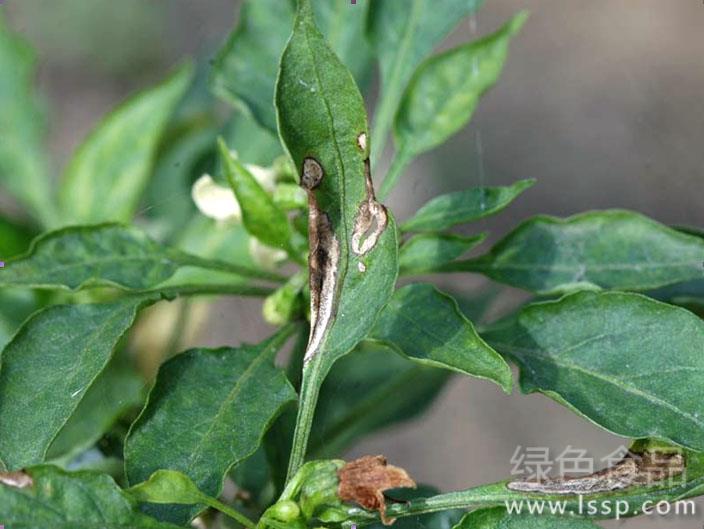
Pepper anthracnose outbreaks cause yield loss, how can it be effectively controlled?
How to prevent pepper anthracnose as outbreaks cause pepper yield loss
条件筛选