-
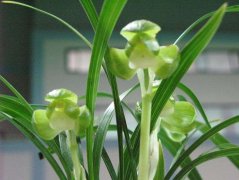
Characteristics, origin, flowering period, and fragrance of the Chunlan orchid cultivar Jiangnan Xue
Jiangnan Xue is a rare Chunlan cicada-wing sumei orchid of recent years. In 1983, the well-known Hangzhou orchid selection expert Huang Xiaojin selected it from orchid plants dug by a Tonglu mountain farmer from Qingyuan Mountain at the border of Tonglu and Fuyang. Because its tongue is as white as snow, it was immediately named Jiangnan Xue. Jiangnan Xue's leaf posture is relatively upright
-
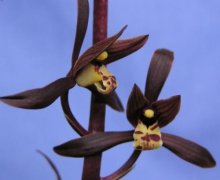
Silver-edged Cymbidium sinense blooming pictures and introduction to origins and prices
Silver-edged Cymbidium sinense is one of the varieties of Cymbidium sinense orchids. The leaves of silver-edged Cymbidium sinense are wide and thick. On large plants, the leaf-edge variegation is pale yellow and wraps nearly half of the leaf, and on new shoots the leaf variegation is even more obvious and wider, appearing pale white, commonly known as the "silver edge." It is glossy and very imposing.
-
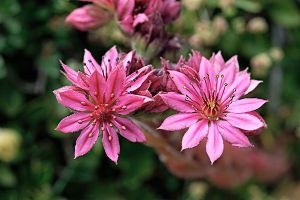
Echeveria Flower Meaning and Legend Origin Explained
It first grew in Mexico and is a perennial herbaceous plant. Its appearance is crystal-clear and plump, very likable. After being introduced to our country, it also became extremely popular and is called the gem flower. It likes to grow in warm, dry places, and can grow tenaciously even under scorching sun and drought conditions. Its flowering period is very long, about seven to ten months, which has also contributed to some of its flower meanings.
-
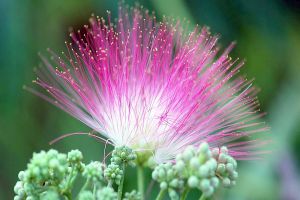
Why is the silk tree flower called the bitter love flower? An interpretation of the origin of its name
Everyone has surely heard of this flower when watching TV dramas. This flower is associated with couples, but you may not know that it also has a bitter love name. So where does this name come from, and does it have other stories?
-
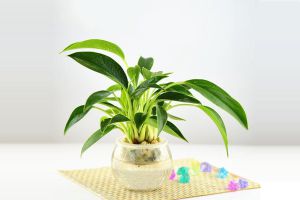
Why is the Golden Pothos called the "King of Warding Off Evil"? An Analysis of the Origin of Its Name
Its lifespan is very long, and its appearance is very elegant. It is precisely because it can help us purify the air and can absorb harmful gases such as SO2 from the air that it has this name.
-
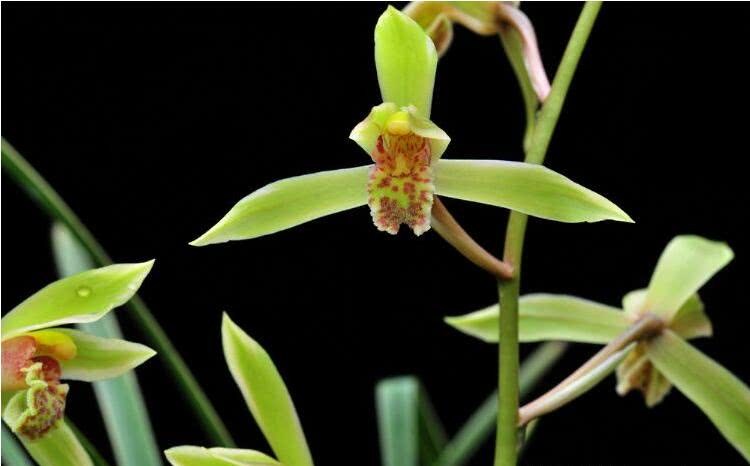
New Cymbidium faberi flower originates from a single wild-collected plant brought down from the mountains in 2002, the size of a toothpick
New Cymbidium faberi flower grown from a single wild-collected plant brought down from the mountains in 2002, the size of a toothpick New Cymbidium faberi flower grown from a single wild-collected plant brought down from the mountains in 2002, the size of a toothpick New Cymbidium faberi flower grown from a single wild-collected plant brought down from the mountains in 2002, the size of a toothpick New Cymbidium faberi flower grown from a single wild-collected plant brought down from the mountains in 2002, the size of a toothpick New Cymbidium faberi flower grown from a single wild-collected plant brought down from the mountains in 2002, the size of a toothpick...
-

The origins of these plant names are surprisingly fascinating
Plant names are incredibly diverse: there are those that chain numbers together, such as Salvia splendens, Orychophragmus violaceus, pansy, Osmanthus fragrans, Schisandra chinensis, Abelia biflora, and Paris polyphylla; and there are also fresh, artistic ones like rose and Bryophyllum pinnatum. So...
-
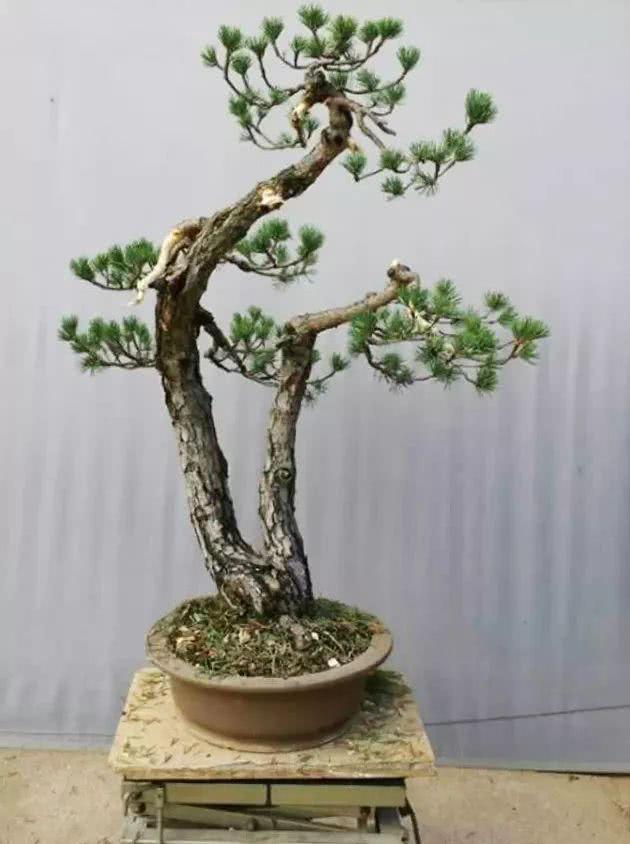
A six-image detailed explanation of a single-trunk double-stem miniature bonsai, from which many bonsai styles originate
In the previous article, we talked about rooting cypress cuttings, and also about making fingertip bonsai from rooted cypress cuttings. Strike while the iron is hot - if we grow them a bit longer, once the cypress seedlings get bigger, how else can we play with them? Is there an upgraded version of bonsai-making...
-
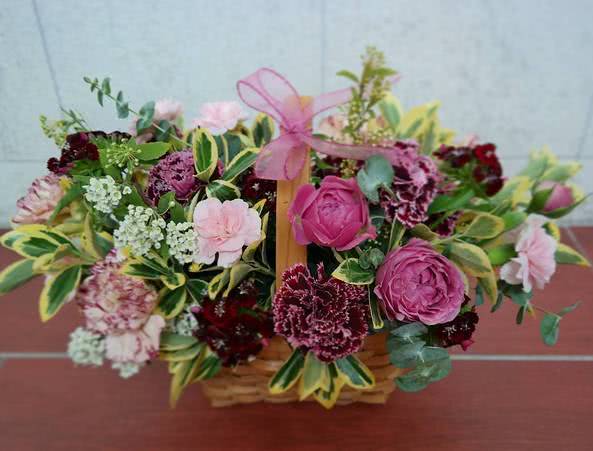
Why Do We Give Carnations on Mother's Day? The Meaning and Origins Explained
People often give carnations as a gift to their mothers, using them to express love and blessings for their mothers. With the rise of Mother's Day, carnations have become the best-selling flowers in the world. What exactly is the charm of carnations that makes so many people adore...
-
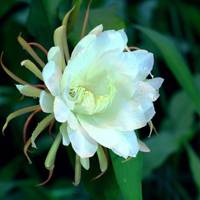
The Origin of the Name "Lingjian Hehua" (Epiphyllum)
The Epiphyllum has a strange and elegant posture, beautiful flowers, and it blooms profusely, grows fast, and is easy to cultivate, so in recent years it has been widely used to decorate balconies. It blooms every year from April to June, and the flower colors include deep red, pink, white, yellow and many others, making it an excellent choice for decorating windows, balconies and entrance halls.
条件筛选