Why is the Golden Pothos called the "King of Warding Off Evil"? An Analysis of the Origin of Its Name
I. Why It Is Called This Name
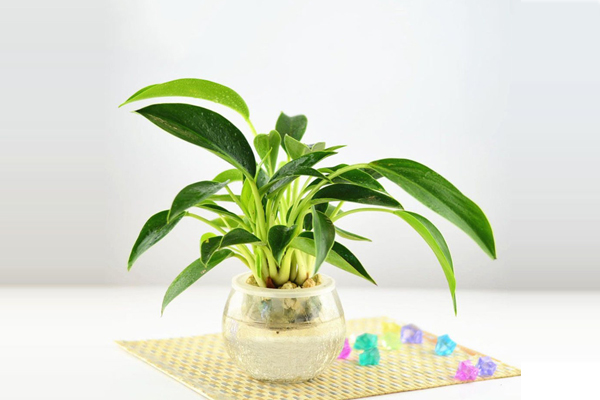
Its leaves are very thick and emerald green, and its leaf stalks are very long and sturdy. Its roots are very strong and vigorous, and its vitality is very robust, allowing it to grow in relatively harsh environments. In addition, its air-purifying ability is very strong, and it can effectively help us absorb harmful gases from the air, such as sulfur dioxide, making the air in our rooms fresher. Therefore, it is very suitable for keeping indoors.
It is precisely because it not only has a simple appearance and tenacious vitality, but can also absorb harmful gases such as sulfur trioxide and nitric oxide, that we have given it the title of "King of Warding Off Evil."
II. Flower Language
Its branches and leaves are very dense, giving people a very positive and uplifting feeling, and its survival ability is very strong. Its leaves are very green and look very healthy, representing vigorous life. Therefore, its meaning is many children and much fortune.
III. Care Methods
It is suitable for indoor cultivation. Its shape is very beautiful, and its leaves are very wide and thick, making it look very dignified. However, when cultivating it, you should also pay attention to giving it a relatively good growing environment.
1. Environment. It lives in warm and rainy areas. It is best to have a temperature of 20°C-30°C, and even in severe winter, it should be 10°C. It relatively prefers scattered light, and during hot periods do not let the sun shine directly on it. When planting it, we can use peat soil, rotten leaves and garden soil mixed together to make potting soil to grow it. In addition, some animal manure can also be added.
2. Water. When growing it, pay attention to regulating moisture. When sprinkling water on it, do not let the soil become too wet. In severe winter, sprinkle water on it once every two weeks; in hot periods, you can add water to it every day. If too much water is poured in severe winter, it will easily drop leaves and its roots will easily rot.