-
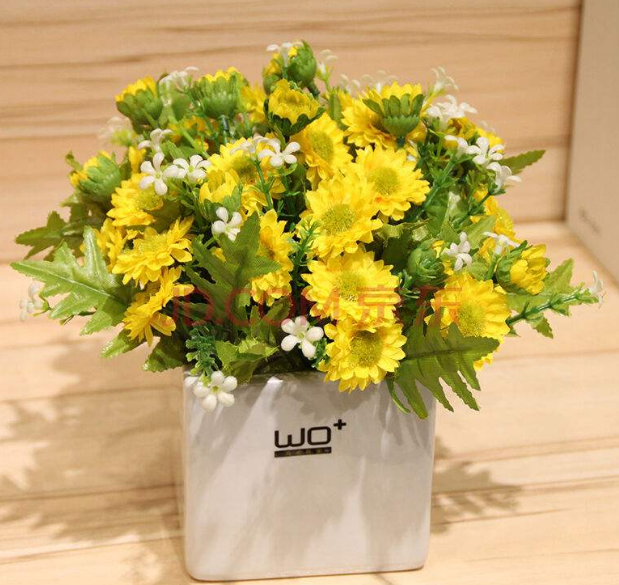
How to grow potted daisies and how to water daisies - how often to water
Daisy, also known as yanshouju (life-extending chrysanthemum) and chunju (spring chrysanthemum), is native to Europe. It is a perennial early-spring herbaceous flower of the Asteraceae family, Bellis genus, often grown as a biennial. It can be planted in the ground to arrange flower beds, and is also suitable for pot planting to beautify courtyards and balconies. Daisy leaves are spoon-shaped to obovate, forming a rosette at the base, densely dwarf, bright and verdant green
-
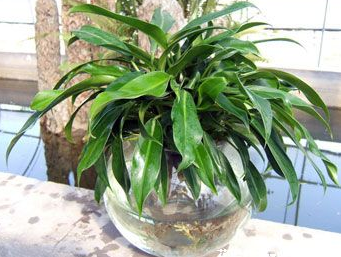
How often should you change the water for hydroponic lucky bamboo? Solve yellowing, drooping leaves this way
Lucky bamboo (Dieffenbachia/Aglaonema) is something many people absolutely love to grow, and it stays green all year round. How often should you change the water for hydroponic lucky bamboo? What to do about yellowing, drooping leaves: How often to change the water for hydroponic lucky bamboo: 1. When choosing lucky bamboo
-
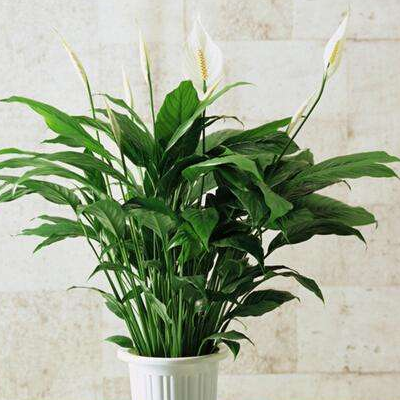
How often should you change the water for hydroponic peace lilies? Here's how to make it grow new roots
Peace lilies are a favorite among many plant lovers. Peace lilies can be grown not only in soil but also hydroponically. How often should you change the water for hydroponic peace lilies? How do hydroponic peace lilies grow new roots: How often to change the water for hydroponic peace lilies: Changing the water is to ensure the oxygen supply in the water and provide nutrients for the growth of the peace lily's root system.
-
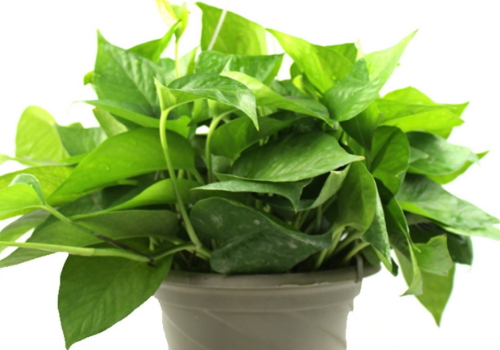
How Often to Water Pothos? Causes of Yellow Leaves and Solutions
Pothos is a plant many people keep, and sometimes you will notice problems with its leaves. How often should you water pothos? What should you do if the leaves turn yellow? How often to water pothos: 1. Water-cultured pothos actually needs watering every day! But this does not mean you should just pour water directly into the vase.
-

What causes chickens to often lay soft-shelled eggs in summer?
After summer arrives, some chickens often lay soft-shelled eggs; although the flock's laying rate is not low, the number of soft-shelled eggs increases. What is the reason for this? There are two reasons for this situation: first, the chickens lay a large number of eggs, and the calcium and phosphorus in the feed cannot meet the needs of eggshell formation. Second, because the chickens lay a large number of eggs and the weather gradually becomes hotter, their physical condition declines markedly, and the digestive and absorptive capacity of the chickens' stomach and intestines for calcium and phosphorus is greatly weakened. So, how can this problem be solved? In summer, sufficient mineral feeds such as bone meal, stone meal and shell meal must be added to the feed, and
-
Rapid and Efficient Softening Cultivation Techniques for Ginger Sprouts
In recent years, we have achieved success in cultivating softened ginger sprouts by adopting measures such as keeping them indoors away from light and controlling temperature and humidity. This method has a short production cycle; the sprouts can be harvested 40 to 45 days after the ginger seed is placed in the bed. Moreover, as long as temperature, humidity and ventilation are kept within suitable ranges, production can be carried out all year round. The rapid and efficient cultivation techniques for softened ginger sprouts are described below: 1. Seed selection Select white-fleshed ginger seeds with a high sprouting rate, plump buds, suitable size, good color and no pests or diseases. To increase the sprouting rate, it is best to divide the whole piece of ginger by each bud and sow them separately. According to trials
-
Detailed Explanation of High-Efficiency Cultivation Techniques for Softened Ginger Shoots
Softened ginger shoots are rich in nutrients, sweet, crisp and tender, easy to store, and pollution-free. They can be harvested 40-45 days after the ginger seed is placed in the bed, and as long as temperature, humidity and ventilation are kept within a suitable range, they can be cultivated all year round. 1. Seed selection: It is advisable to choose white-fleshed ginger seeds with a high sprouting rate, plump buds, suitable size, proper color, and no pests or diseases. It is best to break the whole piece of ginger apart by the buds before sowing; each kilogram of ginger seed can produce 32 shoots. 2. Sprout promotion: Immediately dip the ginger pieces broken apart by the buds in a layer of plant ash for disinfection, then choose a sunny day to dry them in the sun for 1-2 days,
-
Detailed Explanation of the Forcing Cultivation Techniques for Chicory (Softening Type)
After the root plants are harvested, it is best to subject them to a certain period of low-temperature treatment before forcing cultivation. The duration of low-temperature treatment varies by variety: early-maturing varieties can be treated for a shorter time, while late-maturing varieties should be treated for a longer time, so that tighter chicons can be formed. The methods of forcing cultivation are quite flexible and can be broadly divided into soil culture and water culture. Soil culture is a relatively traditional cultivation method and can be carried out by digging trenches in the ground inside a plastic tunnel or greenhouse. Its characteristics are low cost and simple operation, but the biggest drawback is that the chicons formed are not clean. Water
-
Detailed Explanation of the Forcing Cultivation Techniques for Softening-Type Chicory
After the roots are harvested, it is best to subject them to a period of low-temperature treatment before carrying out forcing cultivation. The duration of the low-temperature treatment varies by variety; early-maturing varieties can be treated for a shorter time, while late-maturing varieties should be treated for a longer time, so that tighter chicons can be formed. The methods of forcing cultivation are quite flexible and can be broadly divided into the soil culture method and the water culture method. The soil culture method is a relatively traditional cultivation method and can be carried out by digging trenches in the ground inside plastic tunnels or greenhouses. Its characteristics are low cost and simple operation, but the fact that the chicons formed are not clean is its greatest drawback. The water culture method requires specialized
-

What are the benefits and effects of olives? Eating olives often has many benefits
What benefits do olives have, and can you eat them often? So what are the main benefits and effects of olives? Let's take a look together. The olive is the fruit of the olive plant, a member of the Oleaceae family. People may have begun cultivating olives before recorded history; the Bible frequently mentions
条件筛选