-

-
-
-
-
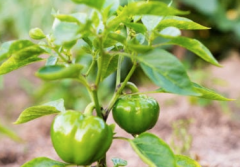
Why Are Peppers Bitter? Things to Note During the Fruiting Period of Bell Pepper Varieties
Whether you like them fresh, sauteed, or stuffed, bell peppers are a classic dinner vegetable with plenty of versatility. Their slightly sweet fragrance enhances spicy, aromatic, and savory dishes, while their range of colors livens up any recipe. In a favorite dish,
-
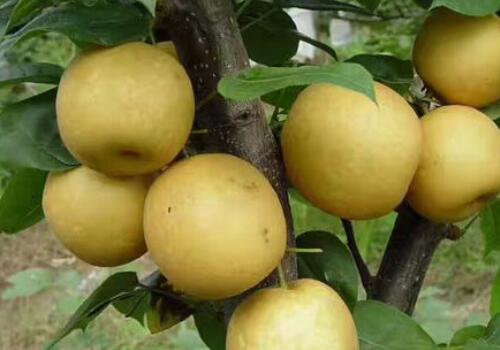
June Snow Cuiguan Pear Seedling Prices, Producing Areas, How Many Years Until Fruiting, and Development Prospects
Cuiguan pear is a honey pear, also known as June Snow. Its skin is thin and fine, its flesh crisp and juicy, its flavor rich, fresh and tender, with abundant juice and sweet taste. It reaches the market 2 to 3 months earlier than northern Ya pears and Dangshan crisp pears. So how much does a Cuiguan pear seedling cost? How many years until it bears fruit? What are its producing areas? What are its development prospects?
-

Potted Fig Tree Growing Methods, Reasons for Not Fruiting, and Prevention and Control Measures
Besides being planted in fields, figs are also highly suitable for pot cultivation or for planting as low shrubs in courtyards and gardens for ornamental purposes, because their internodes are very short and their tree shape is elegant. A balcony is also a good choice; not only do they grow lush branches and leaves, but they also bear many sweet, large fruits. The flowers of the fig bloom inside the fruit and cannot be seen from the outside.
-
What to do if your Chaenomeles cathayensis (mugua crabapple) does not bear fruit? Learn the care methods to promote flowering and fruiting
How to make Chaenomeles cathayensis bear fruit How to get Chaenomeles cathayensis to bear fruit
-
How to prevent and control excessive browning of shiitake mushroom logs that results in no fruiting
1. Causes of the problem. Log browning is a physiological process in the development of shiitake mushroom mycelium and is also a sign of physiological maturity of the mycelium. Suitable conditions for log browning: temperature of 18°C to 24°C, air humidity of 80% to 85%, some scattered light, and good ventilation. If the indoor temperature exceeds 25°C during browning and this high temperature lasts for a long time, it can cause the logs to secrete large amounts of yellow water and pigments, thereby forming a thick brown mycelial skin. The thick mycelial skin formed can block air, causing the mycelium to receive no oxygen and be unable to
-
Key points to note during the fruiting period of shiitake mushrooms: regulation of temperature and humidity differences
Increase the day-night temperature difference. In late autumn and early winter, daytime temperatures are high and nighttime temperatures are low. Cover with a layer of film during the day so that the temperature inside the mushroom bed is 2°C-3°C higher than outside the film, then open the film after 10 p.m. so the temperature drops rapidly. After several consecutive days, a large number of primordia will emerge on the surface of the mushroom logs and develop into mushroom buds. Control the humidity of the mushroom yard. After color change, initially maintain the relative humidity of the mushroom bed at about 85%. As large numbers of mushroom buds differentiate into caps and stipes, lower the air humidity to about 80%. Create a suitable dry-wet difference. In the early stage of autumn mushrooms, the internal water content of the mushroom logs is relatively sufficient and can safely
条件筛选