-
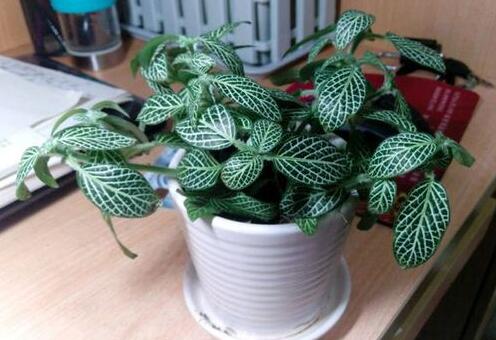
How do you water a nerve plant? How often to water it depends on these 6 tips
Because the white and red leaf veins are clearly and evenly distributed across the leaves, the nerve plant (Fittonia) is a plant with very distinctive features. To make these net-like patterns look even better, in everyday care and management, since the nerve plant likes a humid environment, watering is very important
-
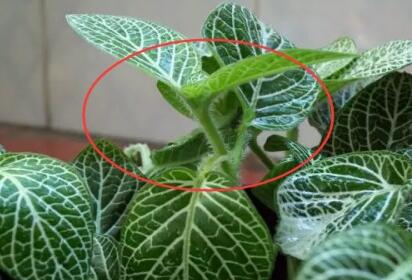
How to prune Fittonia (nerve plant) when it grows too tall? Detailed guide to pinching and cutting back
As long as Fittonia is given a suitable environment, its growth rate is very fast, and this advantage also becomes a trouble for some flower growers, because it grows so wildly that the pot is packed full, which to a certain extent affects the beauty of the plant's shape and reduces its ornamental value. To solve this trouble, pruning is needed.
-
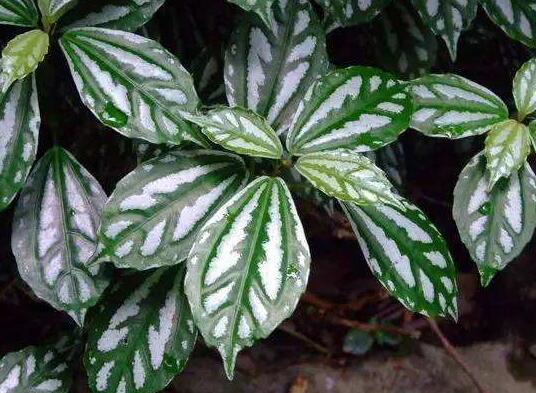
How to propagate nerve plants? Cuttings are the most commonly used method, with an illustrated guide to propagation methods
One of the reasons many plant lovers enjoy growing nerve plants is that they are very easy to propagate. You only need one healthy nerve plant, cut off part of its top stems and leaves, insert them into fertile substrate, and after some time they will take root and sprout. So how do you propagate a nerve plant? Let's look at the illustrated guide to nerve plant propagation methods
-
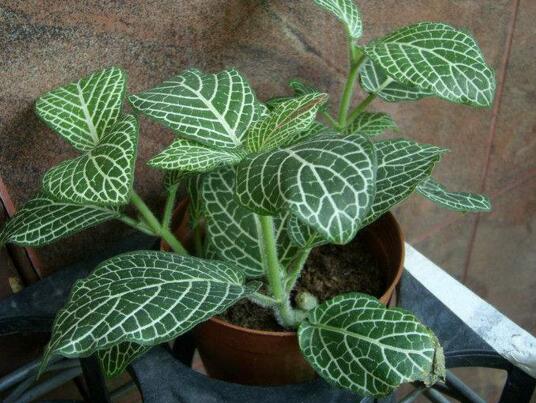
Five Common Pests and Diseases of Nerve Plant: Control Techniques and Prevention Tips
Nerve plant has lush leaves. If the growing environment is relatively harsh, pests and diseases may appear. This is even more frightening than careless care, because pests and diseases can take the life of the nerve plant. So what should you do when the nerve plant gets bugs? Let's look at common methods for controlling nerve plant pests and diseases.
-

How to Grow Potted Nerve Plant So It Flourishes
First, light: Nerve plant (Fittonia) likes moderate light and dislikes direct sunlight, but it is also fairly shade-tolerant. Indoors, it is best placed by a bright window. Second, temperature: Nerve plant likes warmth, with an ideal growing temperature of 18-25°C. It has poor cold tolerance; when the temperature drops below 12°C, the leaves will suffer cold damage.
-
A detailed guide to the water culture method for nerve plants, learn how to care for them with ease
1. Prepare soft iron wire and weave it into a grid shape, which can hold the leaves up so they do not fall into the water, keeping the rhizome of the nerve plant able to touch the water while the leaves do not touch the water. 2. Take the nerve plant out of the soil, trying not to damage too many roots, and wash the soil off clean. 3. Add rooting agent to the water in the specified proportion
-
How to grow nerve plants (Fittonia)? Keep these care tips in mind
Pests and diseases: During the growth of nerve plants, pests and diseases often appear, including diseases such as leaf rot and root rot, as well as pests such as scale insects, snails and red spider mites. Pinching: During the growing season of nerve plants, in order to encourage more branching and control the height of the plant, it is necessary to pinch regularly, so that
-
What are the care precautions for nerve plants?
1. Common diseases of the nerve plant include leaf rot and root rot. For leaf rot, spray with a 1000-fold dilution of 25% carbendazim wettable powder for control. For root rot, soak the roots in a 1000-fold dilution of streptomycin to sterilise them. 2. The pests affecting the nerve plant include scale insects, red spider mites and snails.
-
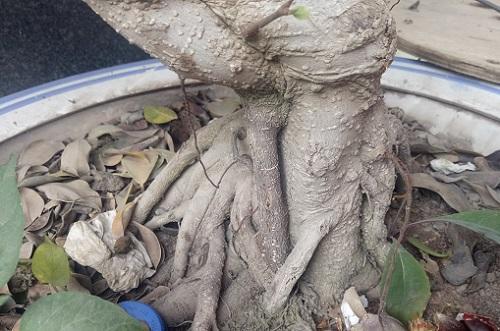
A 20,000-yuan bonsai was stolen from a hotel entrance, and netizens marvelled that ordinary people would not have the nerve
Friends who love bonsai, please click to follow! Recently, the editor watched a very good movie called A World Without Thieves. Thinking of it, I could not help but recall an interesting bonsai story, and today I will share it with everyone! At the entrance of a certain hotel, a bonsai worth 2...
-

Chlorpyrifos may harm fetal nerves; banned in the US, Taiwan pre-announces ban on use in rice, vegetables and fruits
Insecticide chlorpyrifos may cause fetal nerve damage, US orders ban; Taiwan pre-announces ban on use in rice, vegetables and various fruits
条件筛选