-

Causes and Control Methods of Deformed Mushrooms in Greenhouses
1. Hollow white-stem mushrooms. The mushroom stems become loose and white, and in severe cases shrink to form a hollow center. Causes: during the fruiting body growth stage, it is caused by dry air and high temperatures. When the relative air humidity is below 85%, the water content of the casing soil layer is relatively low, and the temperature inside the mushroom house is above 18°C, the mushrooms grow quickly and evaporate water quickly, causing the water absorbed by the mushroom body to be less than the water lost through transpiration. Control methods: spray water promptly during the day to keep the relative air humidity at 90%, and ventilate promptly after spraying water in the morning and evening to lower the greenhouse temperature, keeping it at 14-
-
Several foreign methods of dry rice cultivation can be used for reference.
Hole planting method for dry rice cultivation. This new method was invented by the Tice Farm in New Orleans, USA. Specific operation: on moist no-till land, use a small hole-punching seeder (machine) to punch a hole about 3cm in diameter and 13-15cm deep in the soil. While punching the hole, immediately sow 1-2 rice seeds, then cover the hole with soil and fertilizer, and fill the hole with water while keeping the soil around the hole only moist. Under normal circumstances, no water needs to be given within 40 days after sowing, so that the rice roots grow deep and have a strong root system, which can effectively
-
Detailed Explanation of Common Pond-Clearing Drug Types and Their Methods of Use
Drug-based pond clearing is the use of drugs to kill pathogens, parasites, and various predatory fish, wild trash fish, and other harmful organisms in the pond that endanger fish, shrimp, and crab fry, thereby preventing disease from affecting the normal growth and development of the cultured species and improving aquaculture efficiency. At present, there are many varieties of pond-clearing drugs, but different varieties have different effects. Commonly used pond-clearing drugs include quicklime, bleaching powder, tea seed cake, ammonia water, croton, Tangkening, and others. 1. Quicklime pond clearing Quicklime is calcium oxide. Its pond-clearing effect is that after quicklime meets water, a chemical reaction occurs, producing calcium hydroxide,
-
A Detailed Guide to the Methods of Capturing and Taming Wild Hazel Grouse
The history of artificial breeding of wild hazel grouse is still less than 10 years, so capturing and taming are effective ways to solve the shortage of breeding stock. 1. The trapping time is best from September to November each year. They lay eggs in May and the chicks hatch in June; during this period the hazel grouse is in plump body condition, reaching its highest weight of the year. 2. Trapping methods: set up some homemade trapping tools in areas where hazel grouse are frequently active, such as snares, capture cages, etc. If conditions permit, you can make full use of the hazel grouse's flocking tendency by continuously imitating the hazel grouse's call to make the birds gather together, and then capture them with a net. 3
-
Types of Animal-Based Feed for Raccoon Dogs and Methods of Use
Animal-based feed is an important part of the raccoon dog's diet composition, and it has a great influence on the raccoon dog's health, reproduction and fur quality. The animal-based feeds used in artificial raccoon dog farming mainly include fish, meat, fish and meat offal, milk, eggs and dried animal-based feed products. (1) Fish is the main source of animal protein. Except for poisonous fish such as pufferfish, most marine fish and freshwater fish can be used as feed for raccoon dogs. In addition to containing relatively high protein, fish also contains fat, vitamin A, vitamin D and inorganic salts, etc. The digestibility is almost
-
Comprehensive Control Methods for Damping-Off Disease in Spruce Seedlings Grown in Greenhouse Tunnels
In high-cold mountain areas, greenhouse tunnel seedling cultivation is usually adopted to shorten the cultivation period of spruce seedlings and enable earlier out-planting. The special environment of the greenhouse tunnel creates conditions for the breeding and spread of various pathogenic bacteria and organisms that cause damping-off in newly sown spruce seedlings, and improper control can lead to failure of seedling cultivation. To control damping-off in newly sown spruce seedlings in greenhouse tunnels, the policy of "prevention first, comprehensive control" must be adhered to. 1 Damping-off symptoms The symptoms of damping-off mainly manifest in 4 types: (1) After sowing but before emergence, seeds and ungerminated sprouts rot and die in the soil,
-
Many Methods for Propagating Goji Berry: A Full Analysis of Commonly Used Propagation Techniques
1. Seed propagation: Spring sowing should be carried out from late March to mid-May, when temperatures rise noticeably. Soak the seeds in 30°C warm water for 24 hours, then rub them, pick out the flesh and skin, take out the sunken seeds, and dry them. Mix the seeds with wet sand at 1:3, then place them indoors at about 20°C to germinate, keeping them moist. When about 30% of the seeds have cracked and shown white, germination is complete. For the nursery site, loam or sandy loam near a water source can be chosen as the seedbed. It requires flat terrain, good drainage, and ample sunlight. Apply 5000 kg of decomposed barnyard manure per mu
-
Technical Methods for Bag Cultivation of Edible Mushrooms in Mushroom Houses and Mushroom Sheds
1. Cultivation site and setup. Bag cultivation uses the shelf cultivation method in mushroom houses (sheds). Choose a clean, well-ventilated room; set up 4 to 5 tiers of bed frames indoors, with a tier spacing of 50 cm and the bottom tier 30 cm above the ground. Place the mushroom bags upright in a single layer on the shelves, with 100 bags per sq m. 2. Cultivation materials and formulas. (1) 23% mixed sawdust, 23% cottonseed hulls, 28% bean stalk powder, 19% wheat bran, 5% cornmeal, 1% sucrose, 1% calcium carbonate; (2) 36% mixed sawdust, 25% cottonseed hulls, bean
-
30% Daowudi Wettable Powder: Effects and Methods of Use
A herbicide specially for paddy fields, suitable for weed control in the middle and late stages in paddy fields, seedling-throwing fields, and direct-seeded fields. A single application can control barnyardgrass, various broadleaf weeds, and annual and perennial cyperaceous weeds throughout the entire growth period of paddy rice, making it an ideal herbicide for paddy fields. The suitable timing for use is when barnyardgrass is at the 2-3 leaf stage and broadleaf weeds have all emerged. Method of use: 50-60 g per 667 sq m, sprayed with 30 kg of water. At the time of application, the field should be kept moist, or evenly sprayed under a shallow water layer. However, the field
-
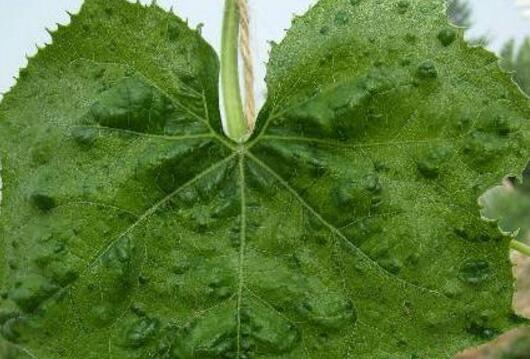
Lantana pest and disease control methods: high humidity and lack of fertilizer and water are the main causes
Even in a wild environment, lantana can grow normally, so its adaptability is beyond doubt. However, even with the strongest adaptability, pests and diseases can still occur due to improper lantana cultivation methods. They can cause lantana to grow weakly and fail to bloom, so timely control is essential.
条件筛选