-

What are the morphological characteristics, damage features, and living habits of the jujube mealybug?
The adult jujube mealybug is flat and oval, with a body length of about 2.5 cm, a slightly raised back, densely covered with white waxy powder, needle-like waxy structures along the body margin, and a pair of exceptionally long waxy tail bristles at the rear. The nymph is flat and oval, with well-developed legs that are brown. The egg is oval, composed of white waxy flocculent material. The jujube mealybug has 3 generations per year, overwinters as nymphs in bark crevices, begins activity in April, lays eggs in early May, with an egg period of 9-10 days. The peak occurrence periods of nymphs for each generation are early June, mid-July, and mid-September. Mass overwintering begins in early October.
-
Prevention and Treatment Methods for Comstock Mealybug Disease on Golden Vicary Privet
Golden Vicary Privet once suffered damage from Comstock mealybug, which at the time caused the death of large patches of Golden Vicary Privet
-
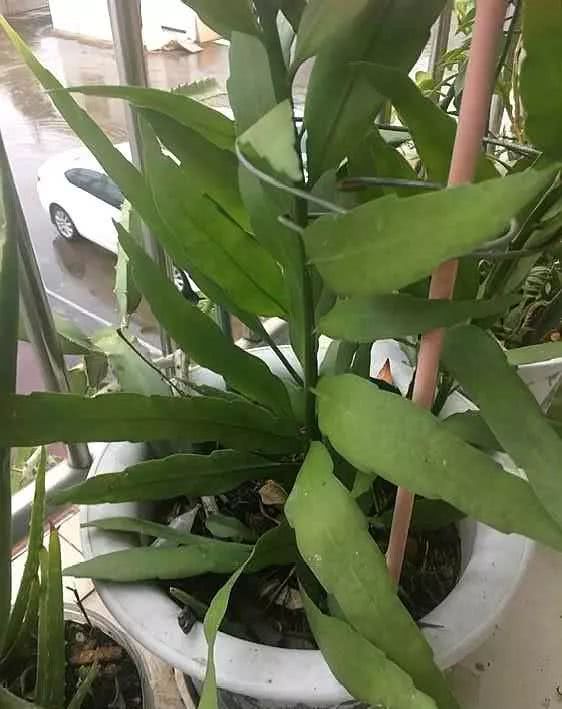
Mealybugs on Christmas cactus and epiphyllum? One trick to eliminate them for good
How do you treat mealybugs on epiphyllum and Christmas cactus? Epiphyllum and Christmas cactus kept indoors without ventilation often attract scale insects. The most common scale insect infesting cactus-family plants is a type of armored scale; this scale insect attaches to...
-
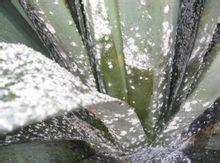
Identification and Control Methods for Pineapple Mealybugs
Pineapple mealybugs belong to the order Homoptera, family Pseudococcidae. Dysmicoccus brevipes is the most commonly seen species. The damage symptoms are caused by adults and nymphs feeding on the sap of pineapple rhizomes, leaves, fruits and seedlings. Affected leaves first show symptoms starting from the lower part, gradually fading upward to yellow and finally turning red-purple; in severe cases all leaves soften and droop...
-
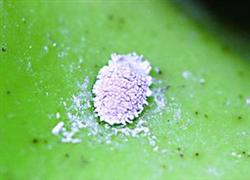
How to control pineapple mealybug? Detailed control methods
The pineapple mealybug, scientific name Dysmicoccus brevipes (Cockerell), belongs to the order Homoptera, family Pseudococcidae. Dysmicoccus brevipes is the most commonly seen species. Damage symptoms: adults and nymphs damage pineapple rhizomes, leaves, fruits and seedlings by sucking their sap. On affected leaves, symptoms first appear on the lower leaves, gradually fading upward to yellow and finally...
-
What are the methods for clearing root mealybugs and common scale insects?
Text and images: Curator. I have been fighting "root mealybugs" and "common scale insects" for a year now, so let me sum up my experience for everyone's reference~ I first discovered them five years ago, and at that time I did not understand much, so it passed vaguely...
-
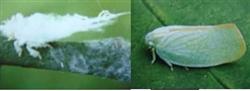
How to control the white moth planthopper and the mealybug in longan orchards
Both the white moth planthopper and the mealybug belong to the order Homoptera, the former to the family Flatidae and the latter to the family Pseudococcidae, and they mainly damage fruit trees such as citrus, longan, lychee and mango. In the past, the populations of these pests were often naturally controlled by large numbers of natural enemies and rarely reached the level of economic loss. In recent years, because some longan orchards in our region have been extensively managed, ...
-
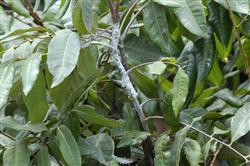
Control Methods for the White Moth Wax Cicada and the Citrus Mealybug in Longan Orchards
How to control the white moth wax cicada and the citrus mealybug in longan orchards? Please provide control methods. The white moth wax cicada and the citrus mealybug both belong to the order Homoptera, the former to the family Flatidae and the latter to the family Pseudococcidae, and they mainly damage fruit trees such as citrus, longan, lychee and mango. In the past, the population of these pests was often naturally controlled by large numbers of natural enemies and rarely reached...
-
Pest and Disease Control for Pomegranate Bonsai: Controlling the Crape Myrtle Mealybug
The crape myrtle mealybug, also known as the pomegranate felt scale, is one of the main pests harming pomegranate bonsai and is also a common pest of crape myrtle bonsai. I. Morphological characteristics. Adult: The female adult is flat, oval, 2-3 mm long, dark purplish-red. When fully mature, it is enclosed in a white felted cocoon, appearing like a white grain of rice; the male is about 1 mm long
-
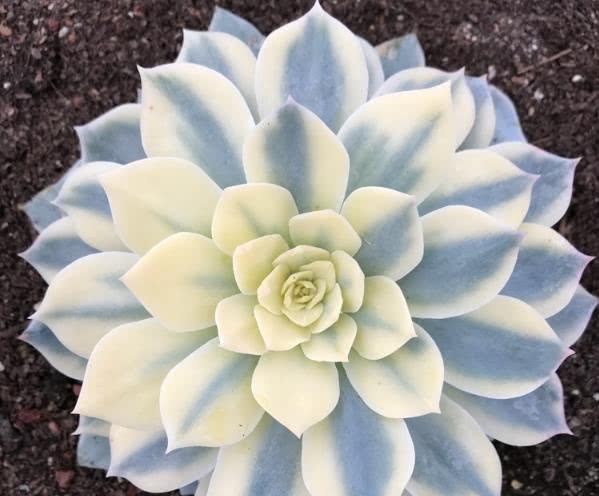
How to Get Rid of Mealybugs on Succulents: Master a Few Steps and It's No Problem at All
Many people are afraid of scale insects and root mealybugs. Once they get them, their heads spin and they don't know what to do. Some just throw the plants away. In fact, they are not that terrifying. They are very fragile. As long as you master the right methods and put them into practice, it is very easy...
条件筛选