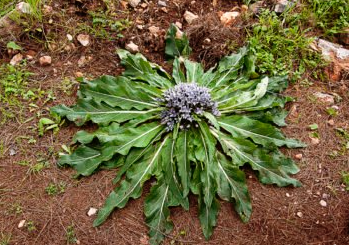
What Kind of Plant Is Mandrake? Planting Methods and Precautions
Growing mandrake is a way to add history and myth to your garden. Known since ancient times, this Mediterranean native has long been used as a medicine and feared for its association with the devil and deadly roots——the plant is poisonous.
Mandrake division is one way to propagate this plant, but the root system is sensitive to disturbance. Regarding mandrake roots and mandrake rhizomes, the mandrake root, or mandrake crown, is the most famous root. The large, thick taproot characteristically splits into a shape resembling a human. This has given rise to many legends associated with the plant. Mandrake plants reproduce naturally through rhizomes. These fleshy underground growths are actually specially adapted stems.
They grow beneath the soil and send out new shoots and roots. These develop from the nodes of the rhizome. The rhizome extends to the side of the plant and sends shoots toward new plants above ground. How to divide mandrake: dividing the rhizome of a mandrake plant is a method of artificially propagating mandrake rhizomes. Be careful, though: mandrake roots are sensitive and do not like being moved or disturbed. Dividing perennials is usually something gardeners do to keep them healthy and avoid overcrowding. But with mandrake, it is sometimes best to leave it alone.
If you really want to divide them, do not do it often. Here are some guidelines for separating mandrake roots and rhizomes to propagate plants or thin a stand: try dividing in spring or autumn. Dig up the whole plant with a spade. The mandrake taproot can be very long, so use a shovel if necessary. Cut the rhizome into sections, but make sure each section is connected to roots and shoots. Use a sharp knife. Plant these sections in a new location. The rhizome should be planted at a depth half its width, not deeper.
Make sure there is enough space between the rhizomes you plant for them to grow and spread. Growing mandrake is rewarding, but dividing it requires careful work so as not to damage the roots or the plant. Also, remember to be careful with this plant because of its toxicity. It should not be eaten, and it should be kept out of reach of pets and children.