-

What Is the Latest on Chinese Mahogany (Toona sinensis)? A Detailed Guide
Chinese mahogany (Toona sinensis), also known as Chinese mahogany sprouts, Chinese mahogany, fragrant toon tree, Dahong toon tree, toon sky, etc. Its root has two layers of bark, also called toon white bark, and it originated in China, distributed across a wide range of areas north and south of the Yangtze River, and belongs to the Meliaceae family. It is a deciduous tree, dioecious, with even-pinnate compound leaves, panicles, white bisexual flowers, and the fruit is an elliptical capsule with winged seeds, and the seeds can reproduce.
-
How to Propagate Chinese Mahogany (Toona sinensis)? A Detailed Guide to the Latest Propagation Methods
Because the leaves of the Chinese mahogany tree (Toona sinensis) are edible, many gardening enthusiasts want to grow one themselves, but since most people now live in cities, buying seedlings is not easy, so propagating from an existing Chinese mahogany tree is the best choice. Currently, the propagation methods for Chinese mahogany include seed sowing, root sprout division
-
How to Manage Chinese Mahogany (Toona sinensis) Seedlings? Latest Key Points Explained
Chinese mahogany (Toona sinensis) is a tree-type vegetable, and its market price is very high. Right now it is also the peak market season for Chinese mahogany, and market demand is relatively high. The edible part of Chinese mahogany is the young bud, which contains very rich nutrients. When planting Chinese mahogany, management during the seedling stage
-
The appearance of the Toona sinensis tree (Chinese mahogany) in the Meliaceae family, the months it can be eaten, seedling prices, and the number of trees planted per mu
Toona sinensis is also known as xiangchun sprouts, xiangzhuangtou, dachongchunshu, chuntian, xiangchunling, xianglingzi, xiangchunzi, and xiangchun sprouts, and is distributed across a wide area north and south of the Yangtze River. So what does the Toona sinensis tree look like? In which months can it be eaten? How much does a seedling cost? How many are planted per mu?
-
Can the Chinese mahogany tree be propagated by cuttings? Detailed guide to cutting methods and the best time
It is currently the season when Chinese mahogany hits the market, and the selling price in major markets is a bit high. At present, there are also quite a few places in China where Chinese mahogany is grown, but because it is difficult to preserve and is mostly grown in greenhouses in the south, the price is very high. So can the Chinese mahogany tree be propagated by cuttings? How to take cut
-
Key Points of Pruning and Planting Management Techniques for Chinese Mahogany (Toona sinensis)
China is the place of origin of Toona sinensis. Since ancient times, rural areas in China have had the traditional habit of planting Toona sinensis around houses and at the edges of fields. Because Toona sinensis gathers the essence of a whole year, with its nutrition concentrated in the small tender buds, its quality and color are very satisfying.
-
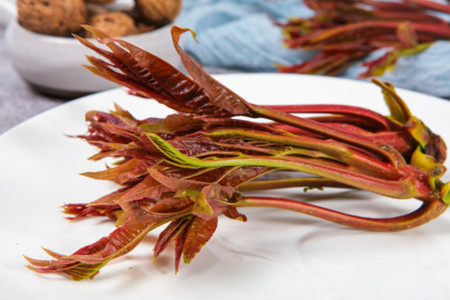
Feng shui beliefs about the Chinese mahogany tree (Toona sinensis): where is the best place to plant it?
Feng shui beliefs about the Chinese mahogany tree: where is the best place to plant it
-

The Uses of Chinese Mahogany Wood and the Difference Between Chinese Mahogany Wood and Tree of Heaven Wood
Summary: What are the uses of Chinese mahogany wood? What is the difference between Chinese mahogany wood and tree of heaven wood? Everyone is familiar with the Chinese mahogany tree, especially in spring when many friends like to eat scrambled eggs with Chinese mahogany shoots; my family loves them too, and every year my mother makes a special batch...
-
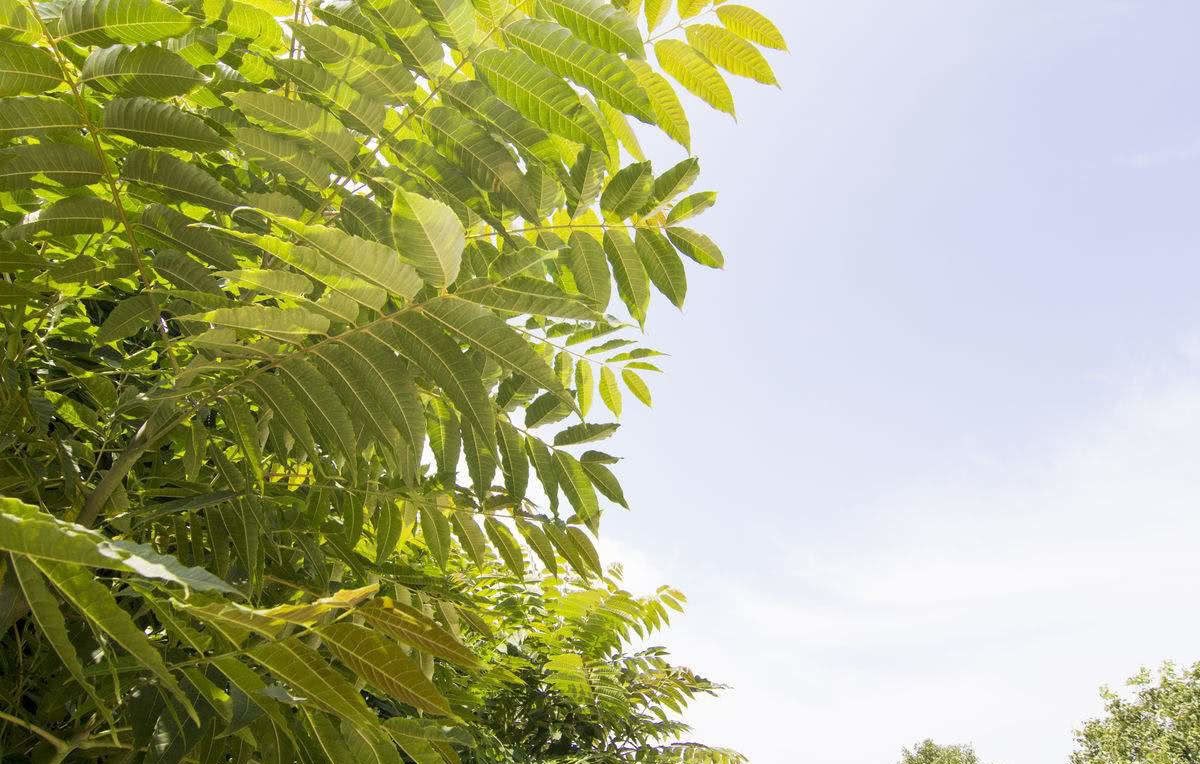
Chinese mahogany and tree of heaven are actually two different trees; here's how to tell them apart quickly
The tree of heaven (Ailanthus altissima) is a deciduous tree in the genus Ailanthus, family Simaroubaceae. Originally named chu (chū), it is also known as the chun tree and the wood-rasp tree. It is native to northeastern and central China and Taiwan, China, and gets its name from the foul odor released by the glandular dots at the base of its leaves. The editor remembers that there used to be a tree in the old family courtyard...
条件筛选