-
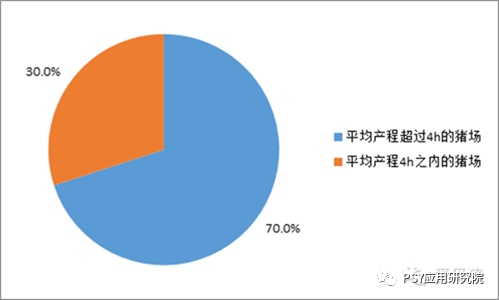
How the sow's farrowing power is lost step by step
How we made the sow's farrowing power disappear step by step
-

How to grow black bamboo (Phyllostachys nigra)? Detailed guide to cultivation methods and precautions
I. About the specific cultivation methods: 1. Pot and soil selection: Potted black bamboo grown at home is relatively easy to keep alive; as long as there is enough temperature and enough sunlight, it will do. Choose...
-

Symptoms and control methods of diplostomiasis in fish
Main pathogens: Diplostomum spp., cercariae, metacercariae. Affected species: silver carp, bighead carp, etc. Optimal control period: May to August. Identification features: diseased fish have a blackened body and are thin and weak; in the early stage of acute infection, diseased fish struggle by leaping at the water surface, or swim rapidly in the water, and when their strength is exhausted they swim slowly with the head down and tail up, losing balance, and the body may bend or there may be severe congestion around the head and eye sockets; in chronic infection, the cornea of the fish eye becomes cloudy and milky white, and in severe cases the lens falls out, resulting in blindness. Control
-
Diagnosis and Treatment of Clostridium perfringens Infection in Raccoon Dogs
In August 2003, raccoon dogs raised by an individual farmer were infected with a disease characterized by fever, diarrhea, respiratory difficulty, and acute death. Through epidemiological investigation, clinical examination, pathological necropsy, bacteriological examination, and serotyping, the disease was confirmed as Clostridium perfringens infection in raccoon dogs. 1 Outbreak information: An individual farmer raised 64 raccoon dogs, 8 became ill, and 4 died, with a morbidity rate of 12.5% and a mortality rate of 50%. 2 Clinical symptoms: The onset was acute, with sudden death without any clinical symptoms, and the course of disease
-
Control methods for diplostomiasis in the big-head schizothoracin (Aspiorhynchus laticeps)
The big-head schizothoracin (Aspiorhynchus laticeps) is a national first-class protected animal. In recent years, as attention to and emphasis on the conservation of this species has grown, its artificial breeding has been placed on the agenda of the **Autonomous Region for the protection of aquatic wildlife. In 2004, during the course of conducting the research project "Artificial Breeding of the Big-head Schizothoracin," the **Fisheries Science Research Institute found that some of the collected and bred broodstock of the big-head schizothoracin became diseased, showing symptoms such as blindness and cataracts of the eyeball, and drug treatment produced little effect, which affected the artificial breeding work of the big-head schizothoracin. To identify
-
How to diagnose and prevent sudden death syndrome caused by Clostridium welchii in pigs?
Sudden death syndrome caused by Clostridium welchii in pigs, also known as pig red intestine disease, is an enterotoxemia in pigs caused by Clostridium welchii types A, C and D. 1. Onset symptoms The disease generally has no premonitory symptoms and presents as sudden death. Some affected pigs may also be seen before death with mania and restlessness, ataxia, hoarse squealing, abdominal distension, difficulty breathing, sudden collapse, frothing at the mouth, muscle tremors, paddling of the limbs, pale skin, opisthotonus, and death within 1 to 3 hours. 2. Pathological changes Dead pigs are in good body condition, with complete rigor mortis
-
What are the prevention and treatment methods for Clostridium perfringens diarrhea in rabbits?
The disease is an acute intestinal infectious disease of rabbits caused by Clostridium perfringens type A, characterized by severe diarrhea, foul-smelling excreta and rapid death. Etiology The pathogen is Clostridium perfringens type A. Epidemiology Except for suckling young rabbits, domestic rabbits of different ages, breeds and sexes are all susceptible to this pathogen. The incidence is highest in young rabbits aged 1 month to 3 months. Infection occurs mainly through the digestive tract or damaged mucosa. Predisposing factors include improper feeding and management, shortage of green feed, low crude fiber content,
-
Phyllostachys vivax McClure cv. aureocaulis is an ornamental bamboo variety with outstanding ornamental value.
Phyllostachys vivax McClure cv. aureocaulis. I. Morphological characteristics: The culms are 5-8 m tall and up to 5-6 cm in diameter; the culms are golden yellow and very brilliant in color. The culm sheaths are densely covered with dense smoky cloud-like spots; there are no culm ears and no sheath-mouth hairs; the culm ligule is short and strongly arched in the middle, with the two sides markedly decurrent; the culm leaves are slender, with the front half strongly wrinkled. The bamboo leaves are relatively large and long and droop in clusters, making a striking appearance. The shoot period is late April. II. Distribution and habits: northern Zhejiang
-
How to prevent the occurrence of small silkworms, "Fusangyi" silkworms and lost silkworms
The level of silkworm cocoon yield is not only related to the weight of a single cocoon, but also depends to a large extent on the number of silkworms per sheet of eggs. Therefore, effective measures should be taken during rearing to prevent the occurrence of small silkworms, "Fusangyi" silkworms and lost silkworms. The specific measures are as follows: 1. Carefully select good leaves. For collecting newly hatched silkworms and for the leaves used for 1st to 2nd instar silkworms, choose mulberry leaves that are suitably mature but on the tender side, fresh in leaf quality, and with a moisture content of no less than 75%. Avoid using old leaves and immature leaves, otherwise small silkworms are easily formed. During the middle feeding stage and the peak feeding stage, fresh and relatively tender mulberry leaves should also be chosen to feed the silkworms. 2. Suitable temperature and humidity. The optimum room temperature for 1st to 2nd instar silkworms
-
What are the prevention and treatment methods for sheep Clostridium welchii disease?
Between February and March 2002, at a sheep farm in a certain city, lambs less than 2 months old suddenly fell ill one after another, and died within less than 2 h despite treatment. 1 Clinical symptoms: The affected sheep separated from the flock, lay down alone in a crouched position, and were unwilling to move; when forced to move, they showed weakness and incoordination, abdominal distension, and mild symptoms of lying down and getting up. One had difficulty defecating, and one had tenesmus, with black, softened feces mixed with mucus and sloughed mucous membrane, and occasional blood streaks. One sheep had a body temperature of 38.5°C, and the other two had 40.5°C and 4
条件筛选