How to grow black bamboo (Phyllostachys nigra)? Detailed guide to cultivation methods and precautions
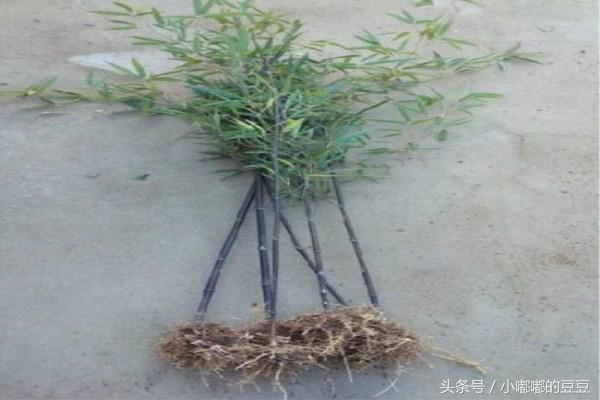
I. About the specific cultivation methods:
1. Pot and soil selection:
Potted black bamboo grown at home is relatively easy to keep alive; as long as there is enough temperature and enough sunlight, it will do. The soil just needs to be loose. You can use a plastic pot to grow black bamboo, and you can usually water it with rice-washing water.

2. Water and fertilizer management:
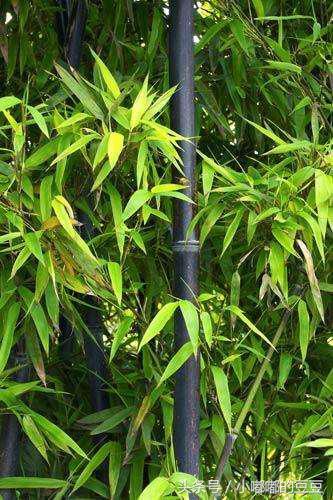
Black bamboo likes warm and humid places. During the growing season, depending on changes in the weather, water once every 2 to 5 days when you see the bottom of the pot has dried out, but do not water too much, to prevent root rot. After the bamboo has established, fertilize appropriately, following the principle of "light fertilizer applied frequently." Temperature and light: black bamboo is best suited to 18°C to 25°C. In summer it must not be exposed to full sun; it is best placed in a spot with indirect sunlight, otherwise it will lose its luster. When the temperature drops below 5°C, it should be placed indoors to overwinter.
4. Renewal and propagation:
After black bamboo has been grown for a long time, if you find that the height of the bamboo and the size of the pot are out of proportion and affect its appearance, you can cut it shorter in May or June at a point 10 cm to 15 cm from the pot soil. After cutting, the lower part will grow new branches elsewhere. The cut stems are not useless either; they can continue to be propagated. As long as the cut black bamboo has rooted, it can be planted directly into the soil.
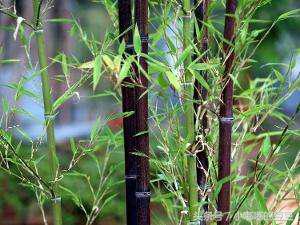
II. Precautions for black bamboo:
1. Black bamboo likes humid places, so it must never be placed in an overly dry location. The first time it is potted, the water must be watered thoroughly until it runs out the bottom. After that, keep the bottom of the pot moist, but do not water too much, otherwise the roots of the black bamboo will rot, greatly reducing its ornamental value. From the time it is potted until it has established, you should also frequently spray water on the leaf surfaces. If you notice the leaves curling, water it promptly.
2. For potted black bamboo, use organic fertilizer, and after it has established, follow the principle of "light fertilizer applied frequently."
3. Potted black bamboo should also be watched for pests; spray with 80% dichlorvos emulsion. If you pay more attention to ventilation and light, you can very effectively prevent the harm of pests and diseases. Usually, strengthen management and prune damaged branches promptly.