-
-
-
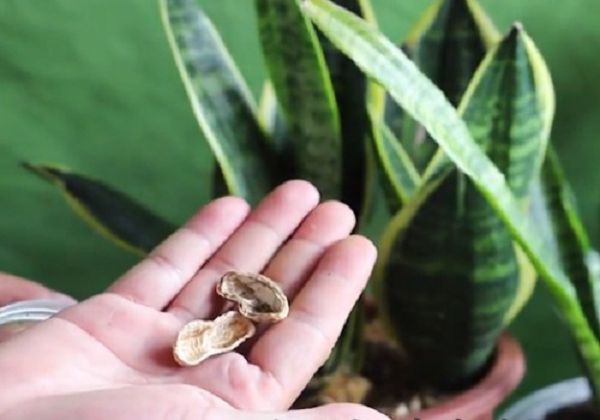
How to grow snake plants well? Let me teach you a little trick
Let me teach you a little trick for growing snake plants well
-
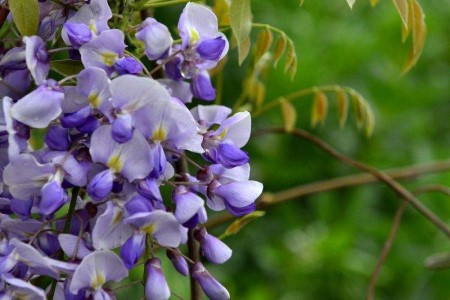
What is the flower language and meaning of wisteria? Let us take you through its legend
The flower language and meaning of wisteria, and what legend stories it has
-
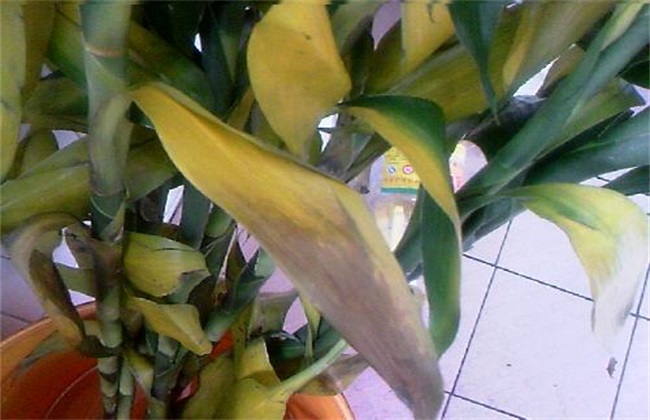
What to do when hydroponic lucky bamboo leaves turn yellow? Let me teach you the remedies
How to save hydroponic lucky bamboo with yellowing leaves
-
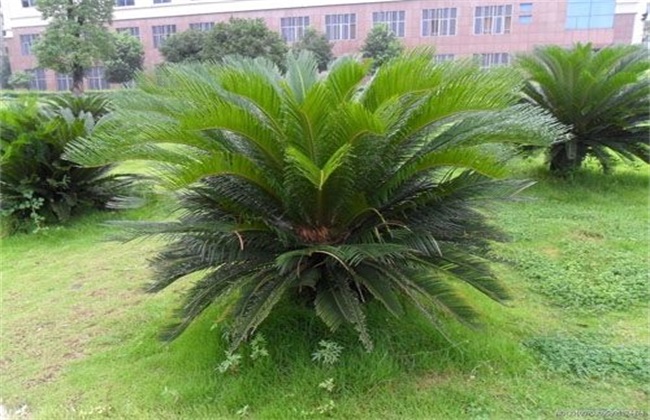
What kind of plant is the cycad? Let us introduce you to the characteristics of cycads
What kind of plant is the cycad
-

What is the legend of jasmine? Let us introduce you to the folk story of jasmine
Originally called Moli flower, jasmine was introduced to China from southwestern Asia as early as the Han Dynasty, and has a history of more than 1,600 years so far. Its economic value is very high, mainly used for scenting (xun, same as "smoking") scented tea. But the formal production of scented tea has a history of only more than 100 years. Legend has it that in the late Ming and early Qing dynasties, a farmer surnamed Zhao lived in Huqiu, Suzhou, with his wife and 3 sons, living in poverty. Old Zhao went out to make a living and settled in a village in Guangdong, returning every two or three years to take a look. His wife and sons farmed at home. The children gradually grew up
-
How to dwarf a hydrangea? Let me teach you a simple method
Hydrangea, also known as bigleaf hydrangea or pink ball flower, is an evergreen small shrub in subtropical and tropical regions. It prefers semi-shaded and humid environments. During the flowering period, the flowers bloom profusely, and their color changes with the pH of the soil: when the soil is alkaline, the flowers are pale red; when the soil is acidic, the flowers are blue, making them extremely attractive. The normal flowering period of potted hydrangea is from May to August. If no treatment is carried out and it is allowed to sprout and grow freely, its plant height can reach 50-70 cm, it is prone to lodging in the pot, and the flowers are relatively small, which affects its ornamental value. How to make potted hydrangea
-
Alstroemeria, also called Peruvian lily, let us introduce you to this ornamental flower.
Aliases: Peruvian lily. Family and genus: Alstroemeriaceae, Alstroemeria. Morphological features: Alstroemeria roots are thick and fleshy, forming tuberous stems, clustered and prostrate. Stems erect, unbranched. Leaves numerous, alternate, lanceolate, arranged in a spiral. Umbellate inflorescence, flowers small and numerous, trumpet-shaped, orange-yellow, inner tepals with reddish-brown striped spots. Origin: Alstroemeria is native to Chile, Peru, Brazil, Argentina in South America and Mexico in Central America. Biological characteristics: Prefers a warm, humid and sunny environment.
-
What flower is the Nerine? Let us introduce you to the Guernsey lily
Origin: The Nerine is native to southern Africa. Morphological characteristics: The flower stems are upright, the flower shape is unusual, and the flower color is orange-yellow, very similar to the yellow-flowered Lycoris, and some have called it the "golden tulip". It was only in the 1970s that cut flower breeding was widely carried out. At present, supply on our country's market mainly relies on imports. Growth habits: It has strong adaptability, is cold-tolerant, and prefers a cool and humid environment. It needs sufficient light and ventilation, and has low requirements for soil conditions, with slightly acidic soil being preferable. High summer temperatures affect the Nerine bulbs
条件筛选