-
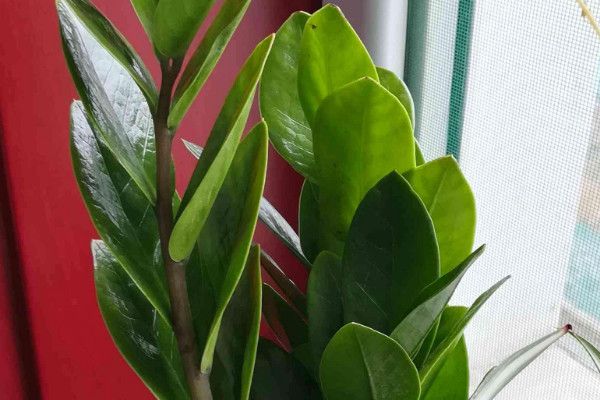
Causes and Solutions for a ZZ Plant Leaning and Toppling Over
What to Do When a ZZ Plant Leans and Topples Over
-
-
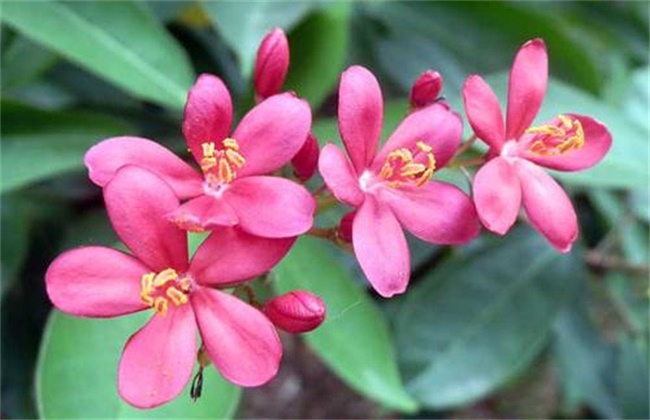
How to Propagate Oleander? A Detailed Guide to Common Propagation Methods
Oleander Propagation Methods
-

Detailed Guide to Spring Cuttage Propagation Techniques for Oleander
Oleander (Nerium oleander) has leaves like bamboo and flowers like peach blossoms, with a very long flowering period that can last from mid-April to mid-September. When in bloom, it is a mass of gorgeous flowers with dense green foliage, and in winter it braves frost and snow, giving it high ornamental value as an excellent landscaping tree species. At the same time, it has strong resistance to sulfur dioxide, making it an ideal plant for factory landscaping. Oleander is relatively easy to propagate and can be propagated by layering, division, cuttage and other methods. Propagation by layering and division is limited by the number of mother plants and is not suitable for mass propagation. Using the spring field cuttage method,
-
Symptom Characteristics, Causes, and Control Methods of Oleander Witches' Broom
The oleander witches' broom pathogen mainly attacks oleander branches. The disease initially occurs mostly on individual branches, showing mass sprouting of axillary buds and adventitious buds, with many slender weak branchlets growing in clusters, stagnation of main shoot growth, shortened internodes of branchlets, and smaller leaves with indistinct mosaic patterns. Infected branchlets can produce further branchlets, and the bases of newly sprouted branchlets are swollen, pale red, and often clustered in groups. The branchlets become increasingly slender and weak, and the leaves become increasingly smaller, resembling a bird's nest in appearance, forming the typical witches' broom symptom. Most affected branchlets stand upright, and the branches have tumor-like growths. The cortex rots and peels off in strips, forming cankers,
-
A Detailed Guide to Oleander Propagation Methods and Key Management Points
Propagation Methods Oleander can be propagated by three methods: cuttings, division, and layering, among which cuttings are the most commonly used propagation method. Cuttings can be taken in both spring and summer. If, before planting, the base of the cutting is soaked in clear water for 7 to 10 days, keeping the soaking water fresh, roots can form earlier after planting and the survival rate increases. The specific method is: take 1- to 2-year-old branches cut in spring, cut them into stem segments 15 cm to 20 cm long, tie about 20 of them into a bundle, and soak them in clear water with the submerged depth being 1/3 of the stem segment, changing the water at the same temperature once every 1 to 2 days, keeping the temperature at 20°C to
-
Detailed Monthly Management and Care Methods for Oleander Throughout the Year
Family and genus: Apocynaceae, Nerium. Scientific name: Neriumindicum. Aliases: willow-leaf peach, half-year red. Habits: Oleander is native to Iran, India and Afghanistan. It is an evergreen shrub or small tree and prefers a warm, humid climate. It has a certain degree of cold tolerance and can overwinter outdoors in warm temperate regions; in the Beijing area it can overwinter in a sheltered, sunny spot in a courtyard. It is vigorous and highly resistant to smoke, dust and toxic gases. It prefers a sunny, well-lit environment. It likes fertilizer and is afraid of waterlogging. It has strong adaptability to soil and can tolerate
-
Detailed Guide to Oleander Propagation Methods: Teach You to Grow Robust Seedlings
Oleander, also known as willow-leaf peach, is an evergreen shrub of the genus Nerium. It likes light and prefers a warm, humid climate. It is not demanding about water and highly adaptable to soil, and can resist smoke, dust and some toxic gases. Oleander leaves resemble bamboo leaves and its flowers resemble peach blossoms; it blooms in summer when few other plants are in flower, and its flowering period is long. Above all, it is a vigorous tree, making it an important landscaping species for streets, green belts, industrial and mining areas and other places with poor soil conditions. Propagation methods include cuttings and layering, with cuttings being the main method. (1) Cutting propagation: Hardwood cuttings are taken in spring or early spring. Select thick branches about 1-1.5 cm in diameter (sucker shoots can be used), cut them into 15-20 cm long cuttings, tie dozens of cuttings together in sequence, and soak the lower about 1/3 in water for about 10 days. Change the water frequently so that the soaking water does not spoil. When the soaked part of the cutting turns white and the top becomes sticky, take it out and insert it into the seedbed. Cuttings that have undergone water treatment grow very fast and have a high survival rate; generally they can root 15-20 days after insertion. Oleander can also be propagated by water rooting. Place the lower part of the cuttings in 20°C water for 30-40 days, changing the water frequently, and they will also root easily. Then plant the rooted cuttings in a seedbed for cultivation, but it is best to provide shade. (2) Layering propagation: Oleander is also very easy to propagate by layering. Layering is generally done in the rainy season. Before layering, wound the branch near the ground, press it into water, and after about 60 days it can be separated from the mother plant to obtain a new plant.
-
Detailed Guide to Oleander Cultivation Techniques and Care Methods
Oleander (Neriumindicum), also known as willow-leaf peach, belongs to the genus Nerium in the family Apocynaceae. I. Overview: It has been appreciated by people since ancient times. Its leaves resemble bamboo. The pink-flowered varieties are full and gorgeous, while the pure white-flowered varieties are as bright and clean as snow. Because its flower shape closely resembles peach blossoms, it is named oleander. It has been designated as the national flower by the people of Algeria. II. Ecological Characteristics: Native to India, Iran and Afghanistan. It prefers a warm, humid environment with ample sunlight. It is relatively cold-tolerant, tolerant of waterlogged conditions, tolerant of partial shade and strongly resistant to air pollution. The optimal growth temperature
-
A Detailed Guide to the Cultivation Techniques and Management Methods of Oleander
Oleander (Neriummdcum), also known as willow-leaf peach and half-year red. Apocynaceae, genus Nerium. It gets its name because its flowers resemble peach blossoms and its leaves resemble bamboo. The flower colors are gorgeous, either pink, like peach blossoms, plump and vivid; or pure white, bright and clean as snow, crystal clear and dazzling, appreciated by people since ancient times. It is cultivated everywhere, and is an excellent flowering shrub that blooms in summer and autumn and can resist pollution. (1) Morphological characteristics and varieties Evergreen large shrub, plant height can reach 4 m to 5 m, crown spreading, branches upright and smooth, clumping
条件筛选