How to Propagate Oleander? A Detailed Guide to Common Propagation Methods
Oleander, also known as gou na and yang tao mei, has large, showy flowers with great ornamental value, and it likes to grow in warm, humid environments, so many people grow it in their courtyards. Spring, when all things revive, is a good time to propagate oleander, so how should oleander be propagated? Follow the editor to take a look.
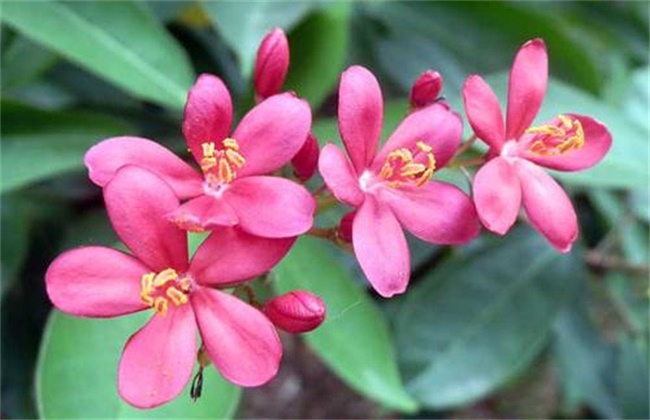
1. Seed propagation
Seed propagation is the most common propagation method for plants. Once the oleander fruit ripens, the seeds can be harvested and sown. If seedlings are raised in a greenhouse, they generally emerge in just three months. If grown in the open field, sowing needs to be done in autumn, and seedlings will emerge one after another around Qingming the following spring.
2. Layering propagation
Oleander layering propagation is generally carried out during the rainy season, which is the peak growth period for oleander, giving a high survival rate; simply choose branches close to the ground. When layering, first cut a wound on the branch, then bury the wound in the soil and secure it. Because it is the rainy season, there is no need to water much, and the branch will generally take root in about 60 days. After rooting, it can be separated from the mother plant and replanted in another plot with suitable conditions. Seedlings propagated by this method have the fine characteristics of the mother plant.
3. Cuttage propagation
Branches chosen for cuttage propagation must be free from pests and diseases, and only robust, high-quality branches can be used as cuttings. After the branches are cut off, they should be shortened directly, and then cuttage can be carried out. To increase the survival rate during cuttage, the cuttings need to be tied together and soaked in rooting powder for 2-8 hours, which can significantly improve the cuttage survival rate. When cutting, use loose soil, as this is beneficial for rooting and survival.
4. Water cuttage propagation
Besides normal soil cuttage, oleander has extremely strong vitality, and water cuttage propagation can be done as long as it is the growing season. Cut the taken branches into pieces about 30-40 cm long, then split the base about 4-6 cm, and then place them in a container, noting that the water in the container should not be too deep. At the same time, pay attention to the water temperature; rooting generally occurs in about 15-20 days. In summer's high temperatures, change the water frequently to avoid root rot caused by water quality deterioration. After rooting, a little fertilizer solution can be added to the water to promote strong seedling growth.
The above is an introduction to oleander propagation methods. We hope it helps you. To learn more related knowledge, please follow us.