-
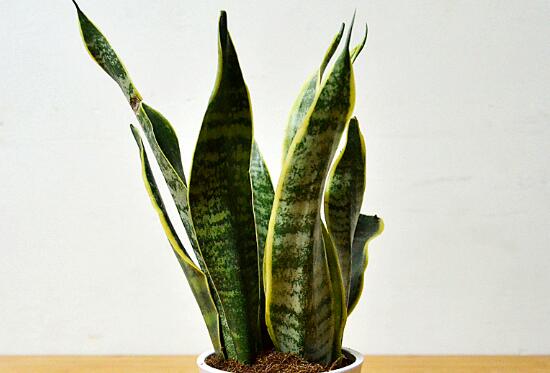
How tall can a golden-edged snake plant grow, and what to do if it grows too tall? You can trim the leaf tips
The golden-edged snake plant has many uses. Placing it at home not only beautifies the home but also protects against radiation, and it can even be used as medicine to treat human diseases. Such a plant is naturally kept in many homes, but during the process of growing it, many people wonder: how tall can a golden-edged snake plant grow?
-
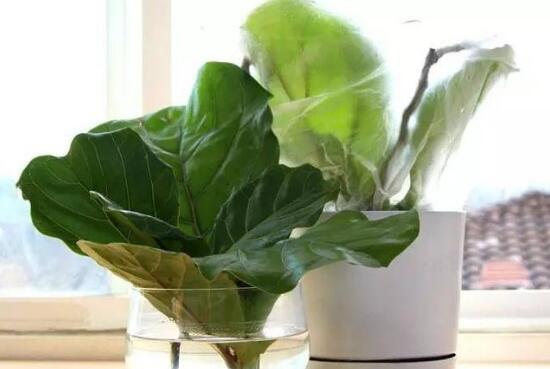
Can Fiddle-Leaf Fig Be Grown in Water? Hydroponic Growing Methods and Leaf-Cutting Water Propagation Tips
As a common foliage plant, the fiddle-leaf fig (Ficus lyrata) has many benefits: it is not only attractive and able to purify the air, but can also be used medicinally to treat illness. Such a plant is naturally kept in many homes, and compared with growing it in soil, many plant lovers prefer growing it in water. So can the fiddle-leaf fig be grown in water? If it can
-
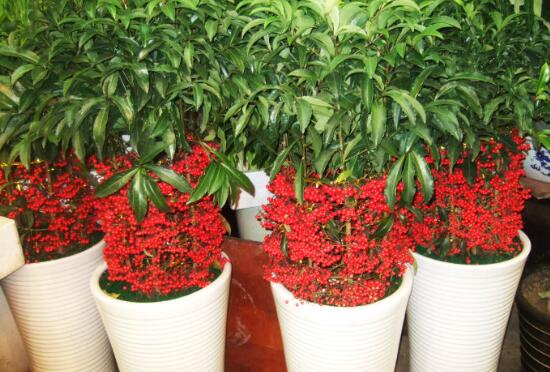
What to do when the leaf tips of Ardisia crenata turn yellow? Causes and care points, avoid waterlogging
Ardisia crenata, also known as coral ardisia, is an ornamental berry plant. Its small red berries, paired with evergreen leaves, look absolutely beautiful! But during cultivation, many gardeners inevitably run into problems with their Ardisia crenata, such as yellowing leaf tips. So what causes yellowing leaf tips on Ardisia crenata?
-
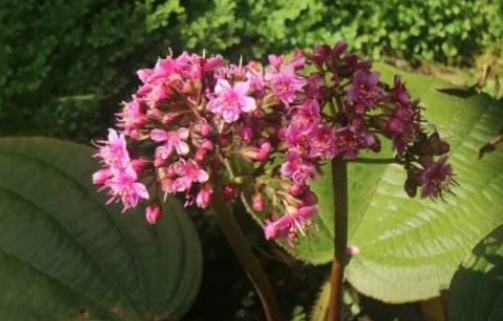
How to grow the tiger-leaf flower? Master these care tips
Soil The ideal growing medium for the tiger-leaf flower is a fertile, loose, slightly acidic soil rich in organic matter, well aerated, with good water and nutrient retention but without waterlogging. It is generally prepared by mixing leaf mold, peat soil and coarse sand in a 2:1:1 ratio, with decomposed cow dung or chicken manure added as a base fertilizer. Temperature The tiger-leaf flower likes to grow in high-temperature
-

How to grow a small-leaf banyan (Ficus microcarpa) bonsai? Detailed care methods and tips
1. Water and fertilizer management. The small-leaf banyan is extremely easy to grow; it adapts to environments with abundant water and fertilizer, and it is also drought-tolerant and water-tolerant, able to grow in stone crevices. If you want to grow it into a bonsai, you must first grow the trunk well and develop it into a stump. Usually apply thin fertilizer frequently, using decomposed organic fertilizer as a top dressing, once every 3 days
-
How to grow Rhapis excelsa (broadleaf lady palm)? Keep these care tips in mind
During the growing season of Rhapis excelsa, water should be sprayed on the leaves frequently; it is well suited to pot cultivation. Each fertilization should use a small amount but be done frequently. Organic fertilizer should be the main type, with trace fertilizers as a supplement. Rhapis excelsa needs a large amount of water; when watering, remember to pour from the growing point downward, letting clean water flow from top to bottom to the roots, keeping the potting soil moist
-

Reasons and Solutions for Yellowing Leaf Tips on Variegated Spider Plants
What to Do When the Leaf Tips of a Variegated Spider Plant Turn Yellow?
-
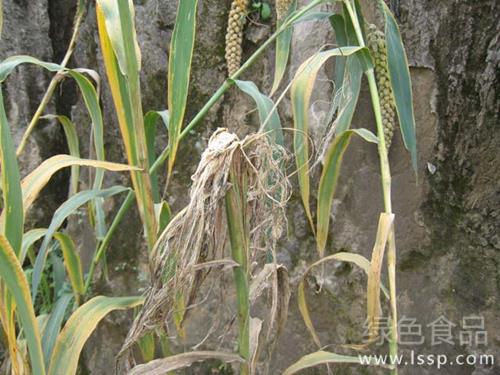
Control methods for foxtail millet downy mildew with mold on the leaf underside and dry, withered leaf tips
Control methods for foxtail millet downy mildew with mold on the leaf underside and dry, withered leaf tips
-

What to Do When Spider Plant Leaf Tips Turn Yellow and Withered? A Few Little Gardening Secrets
The leaf tips of spider plants turn yellow very easily, which affects their ornamental value and can even lead to root rot. However, two little secrets can solve the problem of yellow, withered spider plant leaf tips: just add a tiny bit of soy sauce when watering, and it can bring a spider plant with yellowing leaf tips and root rot back from the dead; add essential balm and the leaves will grow even greener.
-
What are the reasons for yellowing leaf tips on spider plants (Part 1)
Failure to repot in time The main purpose of changing the soil and repotting a spider plant is to promote lush stems and leaves. If it is not repotted for a long time, the nutrients in the soil will be depleted, which will inevitably affect the growth of the plant. Solution: Repot in March every year. If the plant is large and the pot is deep, it can be repotted once every two years. When repotting
条件筛选