-

How to Propagate Magnolia? Detailed Guide to Air Layering
Magnolia is also known as white magnolia, Wangchun, or yulan magnolia. Because its flowers are pure white and dazzlingly bright, it looks extremely beautiful when blooming in mass plantings, and it has high ornamental value. The easiest propagation method for magnolia is air layering, also known as "air layering."
-
How to Propagate Firecracker Vine? Detailed Guide to Cutting and Layering Methods
Since seeds of the firecracker vine are relatively hard to obtain, its propagation generally relies on cuttings and layering. Propagation by cuttings and layering is usually carried out in spring, and the survival rates are relatively high. Here is an introduction to the cutting and layering propagation methods for firecracker vine.
-
Detailed Guide to Propagating Queen's Crape Myrtle by Air Layering
Queen's crape myrtle (Lagerstroemia speciosa) originated in India and is now widely distributed in our country as well. A mature plant can reach up to 25 m tall and is a large tree; artificial cultivation is not difficult, and it can be propagated by air layering. Let me introduce the air layering propagation method and precautions for Queen's crape myrtle.
-
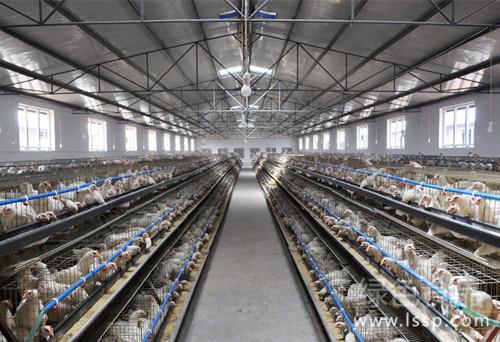
Difficult standing in laying hens, increased egg breakage rate: how to prevent and treat cage layer fatigue?
Difficult standing, increased egg breakage rate: prevention and treatment methods for cage layer fatigue
-
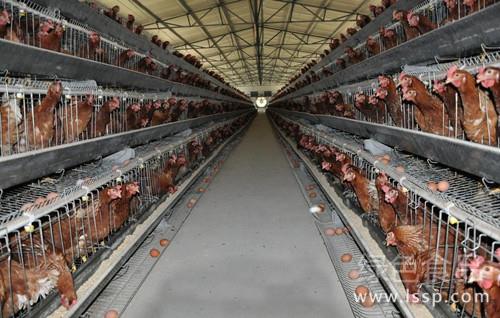
How to prevent and treat cage layer fatigue? Soft-shelled and thin-shelled eggs, difficulty standing, fragile bones
Soft-shelled and thin-shelled eggs, difficulty standing, fragile bones: prevention and treatment of cage layer fatigue
-

Prevention and Treatment Measures for Cage Layer Fatigue
Prevention and Treatment Measures for Cage Layer Fatigue
-

Is the ribbonfish a deep-sea fish? A detailed explanation of the ribbonfish's habitat water layers
Is the ribbonfish a deep-sea fish?
-
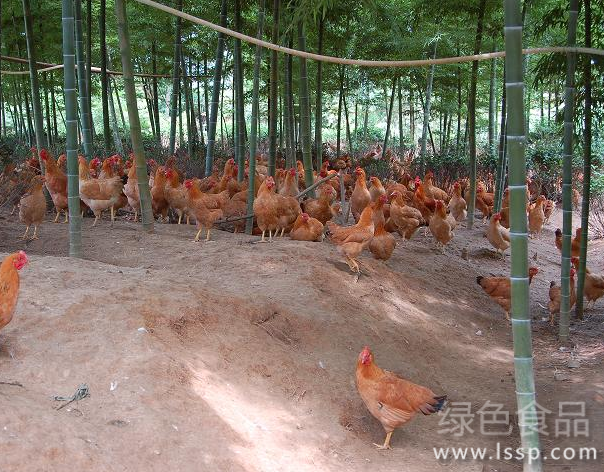
Layer hens' feather-pecking vice affects feed intake and egg production; how should it be prevented and controlled?
Feather-pecking vice affects layer hens' feed intake and egg production; how to prevent and control feather-pecking vice in layer hens
-
Raising pigs and chickens in a layered, combined system yields high profits and is worth learning from for farmers.
It is reported that this good method of raising pigs and chickens in a layered, combined system was first promoted and used in rural areas across Shanxi in 1998. Seven years later, this rearing method has been widely promoted in most rural areas of our country and has achieved good economic and social benefits. According to farmers using the combined pig-chicken system, in a combined pig-chicken house of about 32 sq m, using the raised-bed cage method (chickens on the upper layer, pigs on the lower layer), the upper layer can raise about 180 to 200 laying hens, and the lower layer can raise 6 to 8 fattening pigs (or 10 to 15 piglets), with the pigs directly pecking at and eating fresh chicken manure.
-
Construction Method for a Multi-Layer Three-Dimensional Underground Snake House
The multi-layer three-dimensional underground snake house can be used year-round. Ordinarily it serves as a habitat for snakes, and in winter it can also become an ideal hibernation site for snakes. When this snake house is used in the provinces (regions) south of the Yangtze River, its underground coolness is especially evident in the hotter summer weather. It can also be built in a semi-underground, semi-above-ground mode according to the depth of the water table in different regions, to solve the problem in the south, where water resources are abundant and the water table is shallow, that deep digging easily reaches water. In the north, where winter is especially cold, in this season it is only necessary to increase the thickness of the soil layer on top of the snake house to ensure it is below the local frost
条件筛选