-

Detailed Processing Technology of Fried Lamb Meatballs
In winter, it is the peak season for residents in northern China to consume lamb, especially households in Shanxi, Inner Mongolia and other places, where people have the habit of eating a whole lamb in winter. Lamb can be eaten in many ways, among which lamb meatballs are one of the favorites of ordinary families, but lamb meatballs are generally made in large batches by big enterprises, while small and medium-sized enterprises make few, and ordinary households make even fewer. Lamb on the market is generally expensive now, and the production cost of pure lamb meatballs is high. Here we introduce a lamb meatball production process that uses lamb as the main ingredient and chicken as a supplement. Because chicken protein content
-
Detailed Explanation of Key Technical Points for Lambing Assistance in Spring
Every year in February and March, it is the peak season for ewes giving birth. To assist ewes during lambing, four key points must be mastered: First, pre-lambing preparation. At this time the weather is turning warm but still cold, so a lambing room must be prepared before the ewe gives birth, keeping the temperature above 5°C, and disinfecting with 2%-4% Lysol solution or 15%-20% wood ash water. The floor of the lambing room should be covered with dry grass or sand to keep it dry. At the same time, some disinfectants (such as alcohol, iodine tincture, etc.) and other tools should be properly prepared. Second, normal delivery. When the ewe goes into labor, the lamb first
-
Feeding and management methods for autumn lambs to safely overwinter
Sheep estrus and mating occur mainly in spring and autumn, and the gestation period averages around 150 days, so spring and autumn are also the seasons when lambing is more concentrated. According to surveys, the overwintering survival rate of autumn lambs born in various places is significantly lower than that of spring lambs. The main reasons: 1. Environment. When autumn lambs overwinter, they are in the suckling period or weaning period. In winter, green fodder is scarce, forage quality is poor, ewes' milk is insufficient, and lambs are malnourished, weak in constitution, and poor in disease resistance. Moreover, the long dry and cold winter climate very easily causes respiratory infections in lambs, and many lambs die from pneumonia infection. Due to the cold climate
-
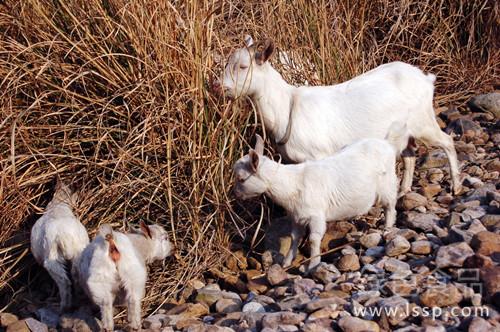
Lamb with arched back, lying down, weak limbs, not moving? White muscle disease prevention and treatment methods are here
Arched back, preferring to lie down, weak limbs, not moving: prevention and treatment methods for lamb white muscle disease
-
The Method and Features of Folk Clay Pot Whole Lamb
"Folk clay pot" is an earthen cooking vessel handed down among the people of Jiangxi for preparing all kinds of food. Its unique advantages have been adopted by the people of Xuanwei, a place rich in Huangshan goats, for cooking healthy, high-quality ecological lamb. Top-quality local Xuanwei Huangshan goats are selected, and a unique traditional recipe and meticulous cooking methods are used to prepare a whole-lamb feast that is fresh, fragrant and rich, spicy yet not harsh, with an endless aftertaste and the distinctive mouthfeel of warming and tonifying without causing internal heat. The product has the effect of nourishing and strengthening yang. Xuanwei's folk clay pot whole lamb is distinguished by its delicious taste and good mouthfeel
-

What are the prevention and treatment methods for lamb diarrhea?
Prevention and treatment methods for lamb diarrhea
-

A Detailed Guide to Planting Methods and Cultivation Techniques for the Flamboyant Tree
The flamboyant tree (Delonix regia) originates from the tropics and is best suited to growing in hot, humid environments, thriving at temperatures between 20-30°C, which is why late spring to early summer and autumn are its most vigorous growing seasons in China. The flamboyant tree is not cold-tolerant, so plants grown outdoors must be protected from the cold in winter.
-
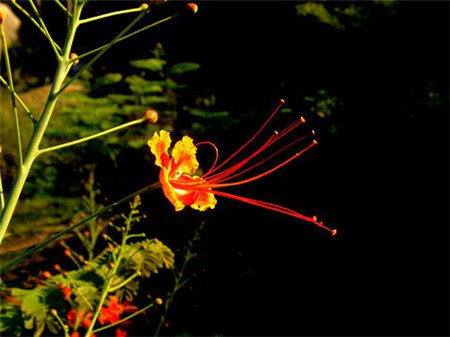
How to grow the Flamboyant Tree? Cultivation and management techniques for the Flamboyant Tree
The Flamboyant Tree (Delonix regia) loves light and is not cold-tolerant, grows rapidly, and has a well-developed root system; it tolerates smoke and dust poorly. Native to Madagascar, it is commonly planted in tropical regions worldwide, and is cultivated in China's Yunnan, Guangxi, Guangdong, Fujian, Taiwan, China and other provinces. Propagation is generally done by seed sowing; after the fruit ripens, collect it and sun-dry it
-
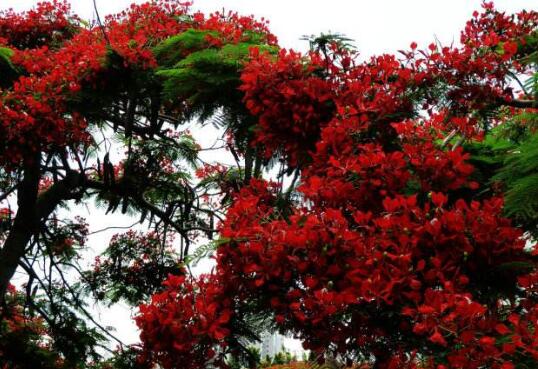
What to do when the flamboyant tree (Delonix regia) gets infested with insects? 2 pests and 2 diseases and how to control them
When we grow the flamboyant tree (Delonix regia), the last thing we want to run into is pests and diseases. These problems are very harmful to the plant: they not only affect its ornamental value, but in severe cases can even cause the plant to wither and die. So what to do when the flamboyant tree gets infested with insects? How should pest and disease control for the flamboyant tree be done?
-
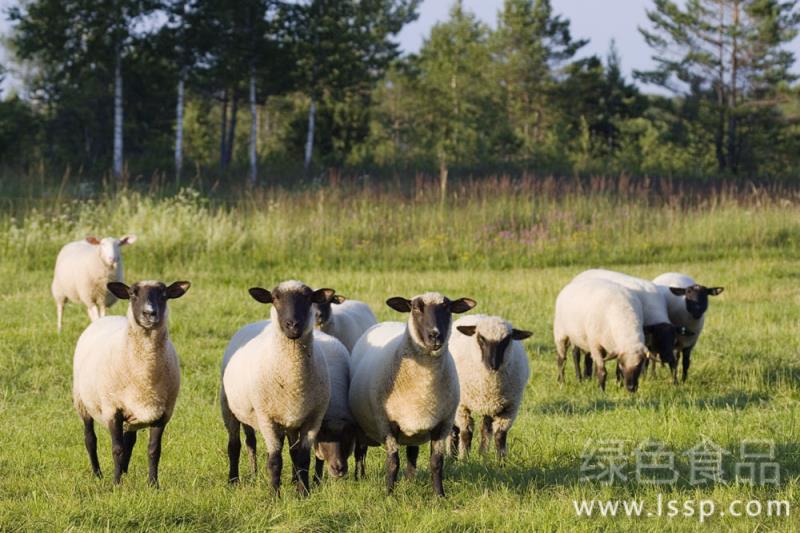
Lambs need large amounts of nutrients to grow: how to supplement feed to make lambs strong and healthy
Lambs need large amounts of nutrients to grow: how to supplement feed to make lambs strong and healthy
条件筛选