Lambs need large amounts of nutrients to grow: how to supplement feed to make lambs strong and healthy
Supplemental feeding should first meet the needs of ewes in late pregnancy, growing lambs and breeding rams. This is because more than 0% of the fetal lamb's body weight is formed during the last 1/3 of pregnancy, and the ewe will face heavy nutritional demands from lambing, lactation and nursing the lamb. Good supplemental feeding can make the lamb heavier at birth, with strong disease resistance and a high survival rate, and the ewe will have sufficient milk after giving birth. Growing lambs are in a period of intense growth and have poor nutrient storage capacity, so they need more supplemental feed to meet the needs of growth and maintaining life.
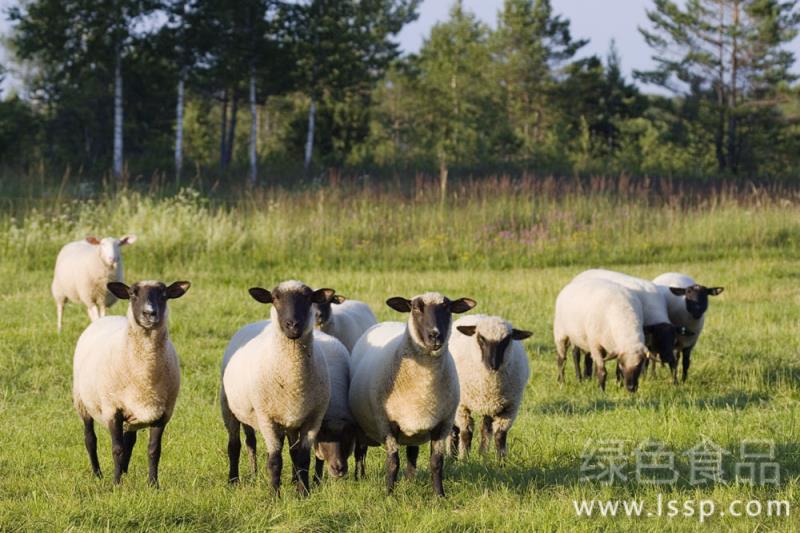
Sheep
I. Changing feed
Feed changes during supplemental feeding should be carried out gradually. A sudden change of feed will affect the microbial activity of the sheep's rumen microflora, causing digestive system dysfunction and reducing feed conversion rate.
II. Supplemental feed
First give the sheep a small amount of palatable concentrate, then feed roughage. This method can promote appetite, increase the sheep's intake of roughage, increase the secretion of digestive glands, stimulate the reproduction and growth of fiber-decomposing bacteria in the sheep's rumen, accelerate the synthesis of digestive enzymes, allow more nutrients to be digested and utilized, and improve digestibility.
III. Supplemental feeding of straw and other roughage
Straw has a wide source, low cost and is easy to promote. After fermentation treatment, the utilization rate and nutritional value of straw can be improved. After being chopped short and crushed, it can increase the contact surface for rumen microorganisms in sheep and adjust acidity; after ammoniation, micro-storage and other treatments, the digestibility can be increased by 10~12%, and crude protein by 4~5%. However, it should not be chopped too finely, otherwise it will weaken the sheep's rumination function and affect digestion and absorption. Ammoniated straw should be supplemented after other feeds, and the feeding amount can account for 70% of the supplemental dry matter feed. If soybean meal is added, the effect will be better.
IV. Supplemental feeding of minerals and vitamins
Sheep fed low-quality forage (and straw) lack minerals and vitamins, which affects the health of the sheep and the digestion of fibrous feed, weakens resistance and lowers production performance. Newborn lambs are weak in constitution, gain weight slowly and are prone to gastrointestinal and other diseases. This has an especially great impact on pregnant ewes and growing lambs. To improve production performance and promote the sheep's metabolism, salt bricks can be provided as a supplement, allowing the sheep to lick freely. For ewes and growing sheep whose vitamin deficiency makes it difficult to maintain normal growth and development of the fetus, feed rich in β-carotene should be added to the supplemental feed, such as high-quality green hay, carrots, etc.
V. Supplemental feeding of high-energy and high-protein concentrate
Feed with a low rumen degradation level should be selected, such as corn, high-quality dried alfalfa, blood meal, etc., or concentrate that is easily degraded in the sheep's rumen, so that nutrients such as protein and starch are protected, avoid fermentation and pass directly into the true stomach, which is conducive to digestion and absorption and improves conversion rate.
VI. Supplemental feeding of silage
In particular, supplemental feeding of legume semi-dry silage activates the growth and reproduction of fiber-decomposing bacteria in the sheep's rumen and promotes the sheep's utilization of fibrous feed. The supplemental amount can account for about 20% of the total dry matter. In spring, feeding frozen silage is prohibited, as this can easily cause miscarriage in ewes.