-
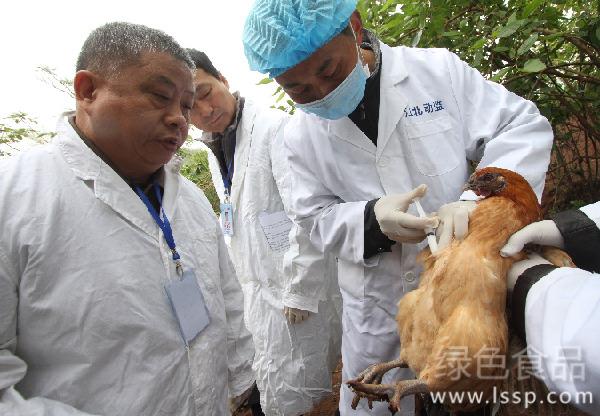
Essential Knowledge on Animal Disease Prevention and Control: What Every Farmer Must Know
What Every Farmer Must Know: Essential Knowledge on Animal Disease Prevention and Control
-

Detailed Explanation of Freshwater Fish Farming Knowledge and Key Aquaculture Techniques
Freshwater Fish Farming Knowledge
-

Thirteen Questions on Disease Prevention and Control in Raccoon Dogs: A Q&A on Disease Prevention and Control Knowledge for Raccoon Dog Farming
1. What causes large numbers of raccoon dogs to have diarrhea? How can it be prevented and treated? Answer: When diarrhea occurs in a large number of raccoon dogs in a breeding group, the first thing to consider is the feed: Has the feed become moldy or spoiled? Has the animal feed spoiled? Have the grain feeds been stored too long? Is the salt content too high? Has the grain feed been insufficiently cooked or processed? All of the above situations can cause diarrhea in large numbers of raccoon dogs. Prevention and treatment require addressing the above problems, and at the same time feeding gentamicin, norfloxacin, chloramphenicol, oxytetracycline, sulfonamides and other drugs all have a certain therapeutic
-
How to prevent and control Streptococcus suis? Knowledge Q&A Part 3
Q: Can humans be infected with Streptococcus suis disease, and how can it be prevented? A: Humans can indeed be infected with pathogenic Streptococcus suis. Streptococcus suis type 2 can cause meningitis, septicemia, endocarditis, and even death in humans. Looking at the routes of human infection with Streptococcus suis disease, a fact of great warning significance is that all infected patients had contact with sick pigs or dead pigs, and most patients had wounds on their hands or other body parts. It is not the case that anyone who slaughters or washes pork will become infected with Streptococcus suis and develop the disease. This
-
What knowledge and techniques are involved in harvesting honey in autumn?
Beekeeping requires scientific honey harvesting to achieve a higher yield. The honey harvesting methods are described below: 1. Timing of honey extraction. Generally, honey can only be taken out when more than 1/2 of the honeycomb is capped. This is because before capping, the honey is not yet mature, and its moisture content has not yet been reduced to a suitable level. If honey is extracted at this time, it easily ferments and turns sour, and cannot be stored for long. The best time to extract honey is 3 to 4 days before the end of the honey flow period. Remove all the honeycombs in the supers that are mostly capped and move them to the honey extraction room for a single extraction.
-

Farming Knowledge Q&A: Practical Answers to Common Farming Questions
1 Is my chicken poisoned? A netizen asks: My chicks have been on sulfa drugs for five days, and these past two days the flock's feed intake has dropped. After dissection, the liver is black and enlarged...
-

How to choose ornamental fish food? Essential breeding knowledge explained in one go
Whether goldfish or tropical fish, in terms of their feeding habits they can all be divided into three major categories, namely carnivorous, herbivorous and omnivorous. But carnivorous and omnivorous types predominate, ...
-
Home gardening: a roundup of jasmine growing knowledge, so abundant blooms are no trouble at all!
Jasmine originated in India and Pakistan and was introduced to China long ago, becoming one of the flowers commonly grown on home balconies, with a rich fragrance and lush branches and leaves, widely...
-
-
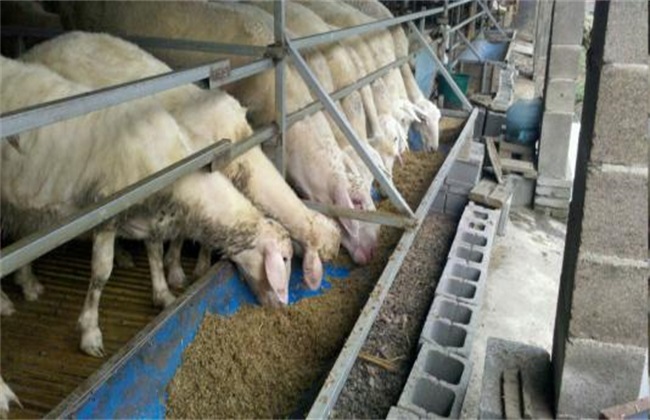
Basic knowledge and key points beginners need to master for raising sheep
What is the basic knowledge of raising sheep? Several key points beginners need to master for raising sheep
条件筛选