Basic knowledge and key points beginners need to master for raising sheep
You should not jump into raising sheep on a whim; preparation in the early stage always has to be done! If you do not prepare well in the early stage, you will suffer a big loss in farming later. Farmers must understand the following fairly basic factors, so that they are less likely to suffer losses when raising sheep. Let us learn about them together below!
1. Feeding issues
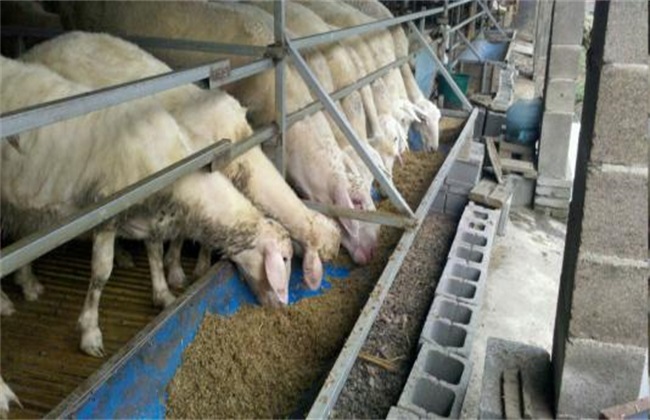
Feeding issues include feed, feeding frequency and feeding amount, and these are the most basic. If you do not even know about feeding, then raising these sheep will definitely lead to a loss. Many crop plants can be used for feeding, such as pasture grass, corn stalks, peanut vines and so on; dry or wet are both fine. As long as the plant is non-toxic, you can let the sheep try it and see what they prefer to eat. Try not to feed the same kind of food for a long time. Generally, lambs are fed about 3 times a day, and the feeding time needs to be longer, so try to ensure every sheep eats its fill. After they grow up, about 2 times a day is generally enough, and at night you can let them eat a bit more, which helps fattening. As for the feeding amount, you need to figure it out yourself, because there will be relatively large differences depending on the region. In sheep raising, the proportion of concentrated feed fluctuates around 10-30% of the total daily feed, and the larger they are, the more they are fed.
2. Water source issues
Water sources have a relatively large impact on sheep. When there is not enough water, the waste rate of the feed the sheep eats is extremely high. When feeding dry feed, put more water in the drinking pool in the sheep pen, and feed a little less feed at a time, so the sheep will eat and drink at the same time. When water and dry feed are mixed, the sheep are less likely to overeat, which is good for their health. When feeding fresh forage, you can let them drink after they finish eating, so the sheep will chew the fresh forage more times, which helps the sheep absorb and digest it. In winter, sheep need less drinking water, but in order to maintain the sheep's body temperature, the water is best warm, so the sheep are more likely to put on fat. In summer, there are no particular requirements for water temperature; generally, as long as it is fresh, that is fine.
3. Estrus cycle
The estrus period of sheep is a very important time, and many beginners may not understand this well. Generally, after about half a year of raising, sheep will begin to come into estrus one after another, and the estrus period will gradually appear within about 2 months, with the duration of estrus ranging from 2-3 weeks. If during a certain period the sheep bleat unusually frequently, and their vulva is red and swollen with some mucus discharge, then this basically indicates that they are in estrus. Do not deliberately suppress the timing of estrus; this is the sheep's natural behavior, and everyone just needs to seize the time to breed them. To ensure the success rate of breeding, it is best if the ewe can be bred 2 times or more, as this will make the success rate noticeably higher.
4. Gestation period
After successful breeding, sheep enter the gestation period, which means they are so-called pregnant ewes. The gestation time is generally about 5 months, so everyone must pay attention to the timing. Generally, after 3-4 months, the ewes need to be controlled and no longer allowed to move around easily, so as to ensure the young sheep can be born safely. At this time, the ewe's diet does not change obviously in the early stage, but farmers had better feed more high-nutrition food at this time to ensure their overall nutritional needs. Forage is best fresh, as this is the most nutritious; secondly, some trace elements also need to be supplemented regularly, and the amount of concentrated feed can be slowly increased, so the newborn lambs will be healthier.
The above are some things that need more attention when raising sheep as a beginner. Other points to note can be gradually improved as you farm. The sheep-raising process in each place will have certain differences. If you can figure out something more suitable yourself, then you must follow your own way; what is proven through practice is the most accurate.