Home gardening: a roundup of jasmine growing knowledge, so abundant blooms are no trouble at all!
Jasmine originated in India and Pakistan and was introduced to China long ago, becoming one of the flowers commonly grown on home balconies, with a rich fragrance and lush branches and leaves, loved by many families.
At the same time, jasmine has good health and beauty benefits, can be used in food and drink, and can be used to make jasmine tea.
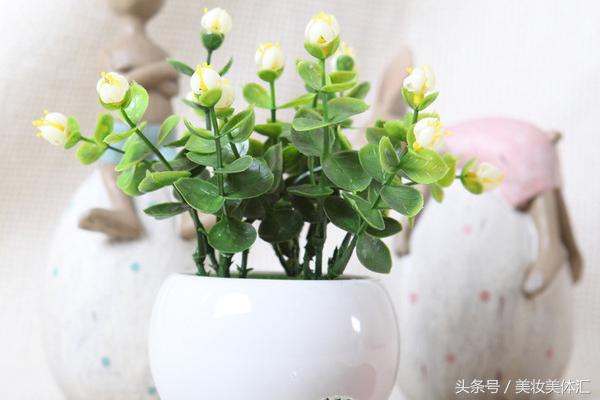
So how do we grow the jasmine we love? Here is a detailed introduction.
1. It is cuttings
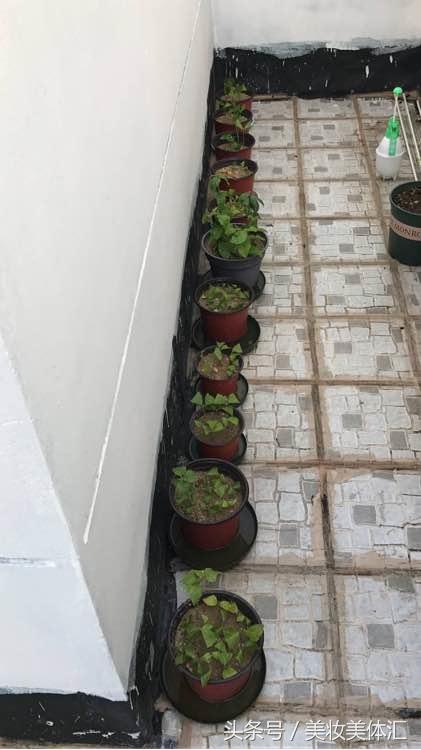
Jasmine is generally propagated from April to October. Select mature 1-year-old branches, cut them into cuttings with more than two nodes, remove the lower leaves, insert them into a cutting bed of half sand and half soil, cover with plastic film, and roots will grow in about one to two months.
When taking jasmine cuttings, there is no need to avoid light too much; sometimes full sunlight actually gives better growth results.
2.
During the growth process, jasmine needs fertilizer very much, especially during the flowering period. Be sure to frequently apply liquid fertilizer containing more phosphorus. Generally, water in the morning and fertilize in the afternoon.
Generally, choose soil rich in organic matter, with good air permeability and water permeability.
Regarding the pruning and branch pulling of jasmine, not all varieties of jasmine need branch pulling and heavy pruning. It is understood that Hutou and Juhua are not suitable for branch pulling. The two most suitable varieties are Danbi and Chongbi. Also, for pruning, Juhua jasmine and Hutou jasmine must keep bud points, otherwise it will be a tragedy. Danbi is especially suitable for heavy pruning. Be sure to prune according to the specific situation.
3.
When repotting and washing the roots, as long as the roots are not wrapped purely in yellow clay soil, there is no need to wash the roots super clean. If the roots are wrapped in sandy soil, after potting you can put the whole pot in a bucket and soak it for half a day; it will naturally loosen and the roots will not be damaged.
When the soil is half dry, tip the whole pot out. Do not break up the root ball. Slowly remove the outer soil. Do not disturb the places where the roots are well developed. Then mix in some good soil and repot, and you can put some base fertilizer at the bottom.
4.
There is also the very key issue of flowering. Some flower lovers often report: why does jasmine only grow leaves and not bloom? There may be two problems here. One is lack of light, and the other is the issue of water and fertilizer: too little watering, and fertilizer that is too nitrogen-heavy.
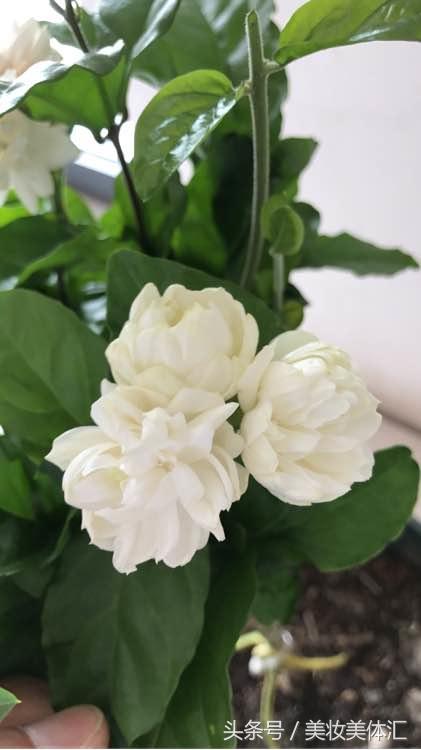
Finally flower buds have grown, and then another problem arises: why do the buds suddenly rot and turn black? This is very likely caused by high temperatures. Flower buds that are about to open are easily damaged and rotted under the scorching sun. At this time, we need to place the jasmine in a shaded place and quietly wait for it to bloom.