-

Open-field Propagation and Pest and Disease Control Cultivation Techniques for Southern Iris
Iris is commonly grown in open fields in the south. The editor still vividly remembers the sight of irises dancing in the wind when they bloom; large patches of irises have extremely high ornamental value. So how are irises propagated?
-

How to plant Iris japonica? A complete guide to propagation and cultivation techniques
Iris japonica is characterized by green leaves and purple flowers shaped like butterflies, with high ornamental value. Today, the editor will explain the propagation and cultivation techniques of Iris japonica.
-

Propagation methods and key field management techniques for Iris speculatrix
Iris speculatrix is large and beautiful, graceful and slender, with blue-purple flowers bearing blue-purple stripes and spots, and brilliant color. It is a common ornamental garden flower. It can be used for courtyard cultivation, flower borders, flower beds and lawn planting, and is an excellent groundcover plant for spring flowers and summer-autumn foliage.
-

Yellow Flag Iris Care Methods and Daily Management Tips
Because the yellow flag iris loves water, the soil moisture must be kept very high, but moist soil easily breeds fungi and bacteria. So when planting it, the soil is best sterilized once a year, usually by deep plowing and leaving it to dry in the sun for a period. In addition, regarding soil structure,
-
Detailed Guide to Planting Methods and Techniques for Yellow Flag Iris
Yellow flag iris likes water, and the soil for cultivation must be kept moist. For planting, its corms are generally used; take care during planting not to damage the root system. To prevent the corms from being planted too shallowly and damaged by dry soil, the planting depth should generally be 7-10 cm from the soil surface. After planting
-
What other propagation methods are there for yellow flag iris?
I. Bulb propagation. Bulb propagation of yellow flag iris is generally only annual; after a bulb goes through one year of growth and blooms, its nutrients are exhausted and it dies. However, the daughter bulbs produced by the development of the original bulb will still exist, and they can continue to grow and develop, and can also produce beautiful yellow flowers.
-
When is the best time to sow yellow flag iris?
For yellow flag iris, autumn sowing with autumn harvesting is considered the best planting method. Before sowing, the seeds should be soaked in warm water for half a day, which makes them easier to sprout and grow, and by the following spring small seedlings will appear. In addition, the seeds can also be stored in sand until the following spring before sowing.
-
A Detailed Guide to Iris Planting Methods and Care Essentials
Before planting irises, we should first understand their growth habits. Irises greatly prefer sunny locations, tolerate shade and moisture, but are not cold-hardy, so in winter irises must never be left out in the snow, lest they get frostbitten. Now that we understand their habits, let's get started planting them.
-
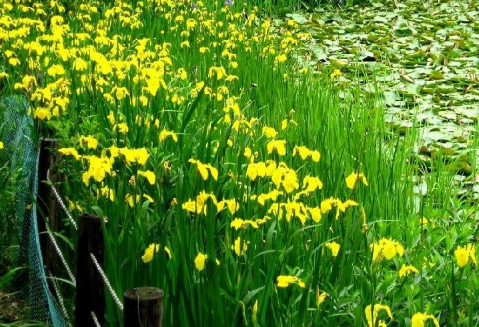
How to sow Japanese iris? Detailed sowing method
1. Obtaining seeds The fruit of Japanese iris basically matures in mid-January, and the seeds can be taken out of the harvested fruit. They can be sown right after harvesting; if the seeds are to be stored, they must first be dried and kept refrigerated at low temperature in the refrigerator, then sown in March or September of the following year. 2. Sowing Place loose potting soil level in a repotting container
-
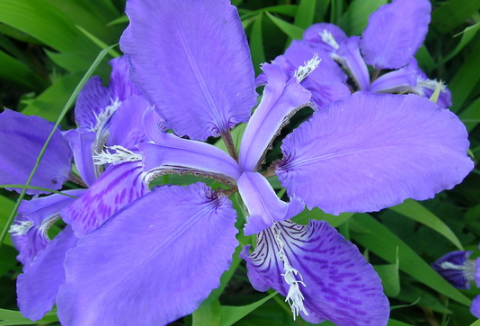
What are the key points of iris cultivation methods
1. Soil: Irises grow best in soil rich in humus, with good drainage and slightly alkaline; in heavy soil, add some peat, vermiculite, fine sand, etc. and mix to improve the soil. 2. Temperature: The most suitable temperature for irises is 16-18°C, the minimum soil temperature should be above 5°C, and the maximum should not exceed 20°C
条件筛选