-

Eight preventive measures for bagged shiitake mushrooms to safely overwinter the summer, explained in detail
Based on our investigation and analysis of the summer-survival problems in large-scale bagged shiitake mushroom cultivation in Xixia over more than ten years, we have summarized a set of preventive measures for bagged shiitake mushrooms to safely get through the summer. They are presented below for reference. 1. Prevent contaminated spawn. There are many factors that can cause contamination in spawn, for example: incomplete sterilization of the substrate, lax disinfection during inoculation, introduction of pathogens during inoculation operations, air forced in through the cotton plug, respiration or damage during spawn transport, inoculation with contaminated spawn, and other such reasons. If contaminated spawn is used for production, it can harbor incalculable losses. 1.1
-
Key Technical Points for Winter Management of Lentinula edodes (Shiitake) Cultivation on Substitute Substrate
After the onset of winter, temperatures drop and relative air humidity is low, so management should center on raising the bed temperature, controlling ventilation, and keeping warm and protecting against cold. Corresponding management measures should be taken for different strains. For medium- and high-temperature-type strains, there is almost no hope of further fruiting below 10°C; at this time, water should be sprayed in the afternoon each day along with brief ventilation, just keeping the logs moist so they can overwinter smoothly. For medium-temperature-type or slightly lower-medium-temperature-type strains, there is still hope of fruiting in provinces where winter is not pronounced. Based on weather forecasts, cold waves can be avoided, and the brief periods when temperatures rise can be used
-
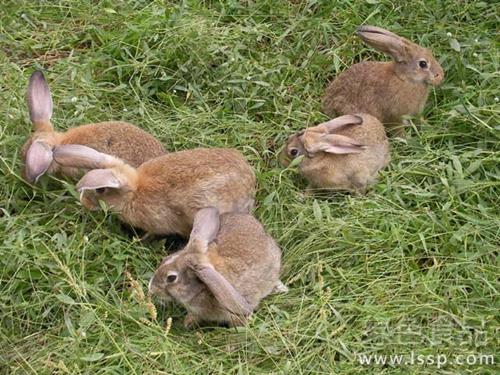
How to prevent and treat cold, pneumonia, diarrhea, mange and constipation in domestic rabbits in winter
Prevention and treatment of common diseases of domestic rabbits in winter: cold, pneumonia, diarrhea, mange and constipation
-
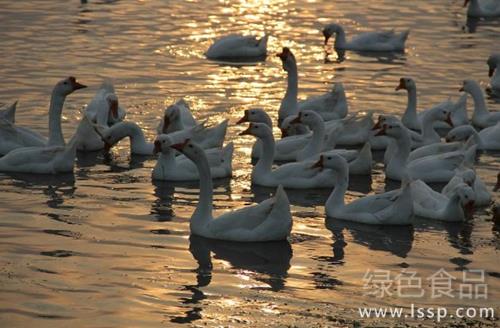
Master the key technical points of winter goose fattening, get good returns by marketing before the Spring Festival
Good returns from marketing winter geese before the Spring Festival; key technical points of winter goose fattening
-
How to prevent osteomalacia in pregnant sheep in winter
Right now, dairy goats have entered the period of carrying fetuses through the winter. Over the years, many farmers have lacked knowledge of ewe reproductive health care and have not yet recognized the importance of doing a good job preventing and treating osteomalacia in pregnant sheep to ensure safe birth, which has led to difficult births and postpartum paralysis. Therefore, osteomalacia in pregnant sheep should be prevented in winter. Osteomalacia in pregnant sheep is caused by a deficiency of vitamin D and calcium and phosphorus in the body. Pregnant sheep not only need nutrition for themselves but also must supply material for the growth and development of the fetus, so the feed for pregnant sheep must be especially nutritious. But dairy go
-
What are the key technical points for winter rearing of broodstock?
Broodstock rearing is divided into stages such as post-spawning care, autumn rearing, winter rearing and spring rearing. Because winter temperatures are low, broodstock activity decreases, their feeding ability is weaker and they are prone to fish diseases; if management is poor, it will have a great impact on the next year's artificial hatching, fry and fingerling production, market-size fish farming and other production stages. The key technical points for doing a good job of winter broodstock rearing are: 1. Pond selection. Broodstock ponds require an adequate water source, a flat pond bottom, shelter from wind and exposure to sun, and good water and heat retention, with an area of 10-15 mu being suitable.
-
Introduction to the Characteristics and Cultivation Techniques of the Jinnan Winter Celery Variety
Variety source: Also known as Jinnan Solid Celery No. 2, it was developed through line selection by the Agricultural Science Station of Shuanggang Township, Jinnan District, Tianjin, and the Hongcheng Celery Research Institute from the progeny of a cross between Jinnan Solid Celery and American Celery. It passed the Tianjin crop variety certification in 1995. Characteristics: This variety belongs to the yellow-green type, with pinnate compound leaves, relatively large leaflets, green color, and relatively large leaf serrations. The root system is well developed and the growth rate is fast. The single plant weight is 0.6 kg, and the plant height is about 90 cm. The petiole is 60 cm long, yellow-green, solid, semicircular in cross-section, relatively smooth, and the quality is fresh
-
Red-leaf winter peach is a rare premium variety among late-maturing peaches.
In the northern Henan region of Henan, red-leaf winter peach shows pink buds on March 25, begins flowering on April 1, with pink flowers, 5 petals, a flower diameter of 3.5-4 cm, and a flowering period of 7-10 days. Flowers and leaves grow simultaneously; the pink peach blossoms and purplish-red peach leaves form the only red scenic line worth viewing in spring. As the seasons and temperatures change, the purplish-red peach leaves gradually turn copper-green from the base upward, but the new shoots and new leaves at the top remain purplish-red, forming on the same branch lower leaves that are copper-green
-
What are the key management techniques for pear orchards in autumn and winter?
Autumn and winter are an important period when pear trees shed their leaves and go dormant. Strengthening field management of pear orchards in autumn and winter benefits pear tree growth and flowering and fruiting the following year. 1. Reasonable fertilization: before the end of November, apply one deep autumn fertilization to the pear orchard. The amount applied should account for more than 30% of the total annual fertilization, mainly organic fertilizers such as decomposed oil cake (rapeseed cake) fertilizer, residue fertilizer, compost, and human, livestock and poultry manure. The method is: at the drip line of the canopy of mature pear trees, dig 1-2 ring-shaped fertilization trenches about 60 cm long and 25 cm deep and 25 cm wide. Per tree
-
Detailed Explanation of the Key Technical Points for Jujube-Grain Intercropping
The key technique of jujube-grain intercropping is to properly regulate the conflicts between jujube trees and intercrops over fertilizer, water, and light, so as to achieve mutual benefit and reciprocity between jujube and grain and realize a double bumper harvest of both. 1. Master an appropriate planting density. Row spacing has a marked effect on air temperature, humidity, light, and wind speed, and is also an important factor affecting jujube and grain yields. Therefore, overall arrangements should be made according to cultivation purposes and local conditions. For jujube-oriented planting, a row spacing of 6 m is best; for grain-oriented planting, a row spacing of 15 m is best; for giving consideration to both jujube and grain, a row spacing of 8 m is best. 2. Select
条件筛选