-
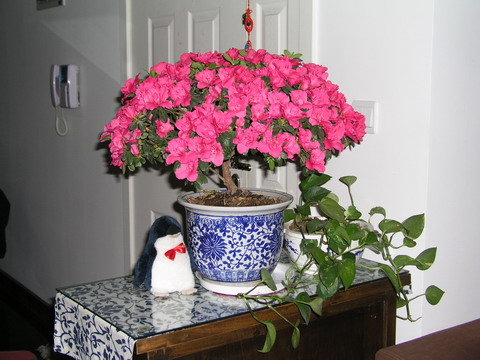
What should you pay attention to when growing flowers in winter? Keep these care points in mind
Indoors in winter, keeping a few pots of flowers and plants not only purifies the air but also adds vitality to a room, filling your living room and parlor with the spirit of spring and delighting the eye. However, because winter brings low temperatures and low humidity, rooms with heating are extremely dry while rooms without heating are very cold and dim, which is very unfavorable to the growth of flowers and plants
-
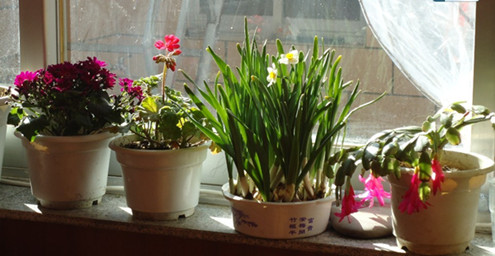
What are the precautions for growing flowers in winter? Do these few things well
Most people think that once they move their flowers indoors, they are safe and can relax. Actually this is not the case. After flowers are brought indoors, there are still four taboos: - Taboo 1: indoor temperature too high. Many flowers enter dormancy or semi-dormancy in winter and need quiet rest and full relaxation. Whether in a living room or on a balcony
-
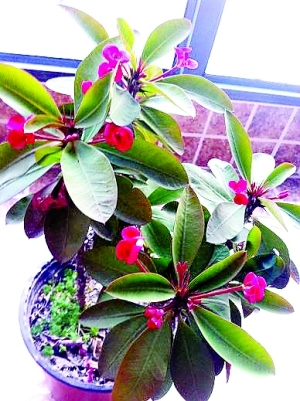
How to Keep Potted Flowers Warm in Winter? Master These Frost Protection Tips
1. How to Manage Potted Flowers in Winter? Potted flowers in the north need to be moved indoors one after another in early winter. After bringing them indoors, the placement should take into account the characteristics of each type of flower. Therefore, pay attention to the following aspects: (1) Flowers that bloom in winter and spring and flowers that love light and warmth: such as Christmas cactus, cyclamen, camellia
-
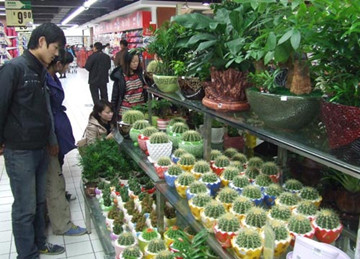
Tips for growing flowers in winter: get plenty of sun and water less
Mr. Mo, a flower enthusiast, kept two potted ornamental plants in his office -- golden barrel cacti, with golden spines sticking out of their green spherical bodies, very charming. A few days ago, he gave the golden barrel cacti a little water, and unexpectedly the bodies began to turn yellow; in the past two days the roots have turned black, and it is getting worse
-

What are the precautions for fertilizing wheat in winter?
Precautions for fertilizing wheat in winter
-
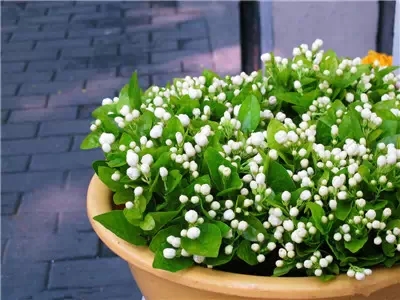
Jasmine Winter Care Methods and Precautions
Winter is just around the corner, and gardening friends who love growing jasmine have begun discussing winter care methods for jasmine. Below, the editor briefly introduces the winter care methods for jasmine. 1. In winter, as long as jasmine shows stopped growth, it is dormant, regardless of whether it drops leaves or not.
-

Detailed Explanation of Key Technical Points for Winter Rearing of Broodstock
Broodstock rearing is divided into stages including post-spawning care, autumn rearing, winter rearing and spring rearing. Because winter temperatures are low, broodstock activity decreases, feeding capacity is weaker and fish diseases occur easily; if management is poor, it greatly affects the next year's production links such as artificial incubation, fry and fingerling production and grow-out fish farming. The key technical points for doing a good job of winter broodstock rearing are: 1. Pond selection. Broodstock ponds require an adequate water source, a flat pond bottom, shelter from wind and exposure to sun, and good water and heat retention, with an area of 10-15 mu being suitable. 2
-
What are the key points of winter management techniques for Sichuan pepper?
The first is "pruning", which means shaping and pruning. Winter is a great season for pruning Sichuan pepper. When pruning, the "seven branches" must be cut off, namely: water sprouts, dead branches, diseased and pest-infested branches, overly dense branches, crossing branches, overlapping branches, and weak slender branches. Then the cut branches should be gathered and burned, which can eliminate pests and pathogens overwintering on the branches and trunks. Through shaping and pruning the Sichuan pepper tree, the tree vigor can be regulated, the lifespan of the Sichuan pepper tree can be extended, and the yield and quality of Sichuan pepper can be improved. The second is "scraping", which means scraping off rough bark. Many insect eggs overwinter in the cracks of the rough bark of the pepper tree,
-
Common problems and solutions in wheat-intercropped Three-Cherry pepper cultivation
With the adjustment of the agricultural structure, Three-Cherry pepper began to be planted in Neihuang County in 1993, and by 2004 it had grown to 4300 hectares, with the most concentrated area being Lucun Township, where the planting area is about 2900 hectares, and a trading market covering 6.5 hectares, with an annual trading volume of 87 million t and an annual trading value of 29.58 million yuan, was established, achieving good economic and social benefits, but many problems still exist, restricting farmers' economic returns. 1 Problems existing in production
-
How should garlic scapes be stored in winter to keep them fresh longer?
Temperature management of the storage room. Garlic is a plant with relatively strong cold resistance, and garlic scapes, being the flower stalks of garlic, still have relatively strong physiological cold resistance. When the storage ambient temperature reaches their freezing point, the preservation effect is best. The freezing point temperature of garlic scapes is -0.8 to -1°C (varying with solids content). When the scape temperature is above -0.8°C, tissue freezing will not occur, so it is safe. Based on diverse practical experience, the recommended cold storage index for garlic scape room temperature is -1 to 0°C. Within this range, lower the upper
条件筛选